













Let's get started...
Introduction to Music Festivals
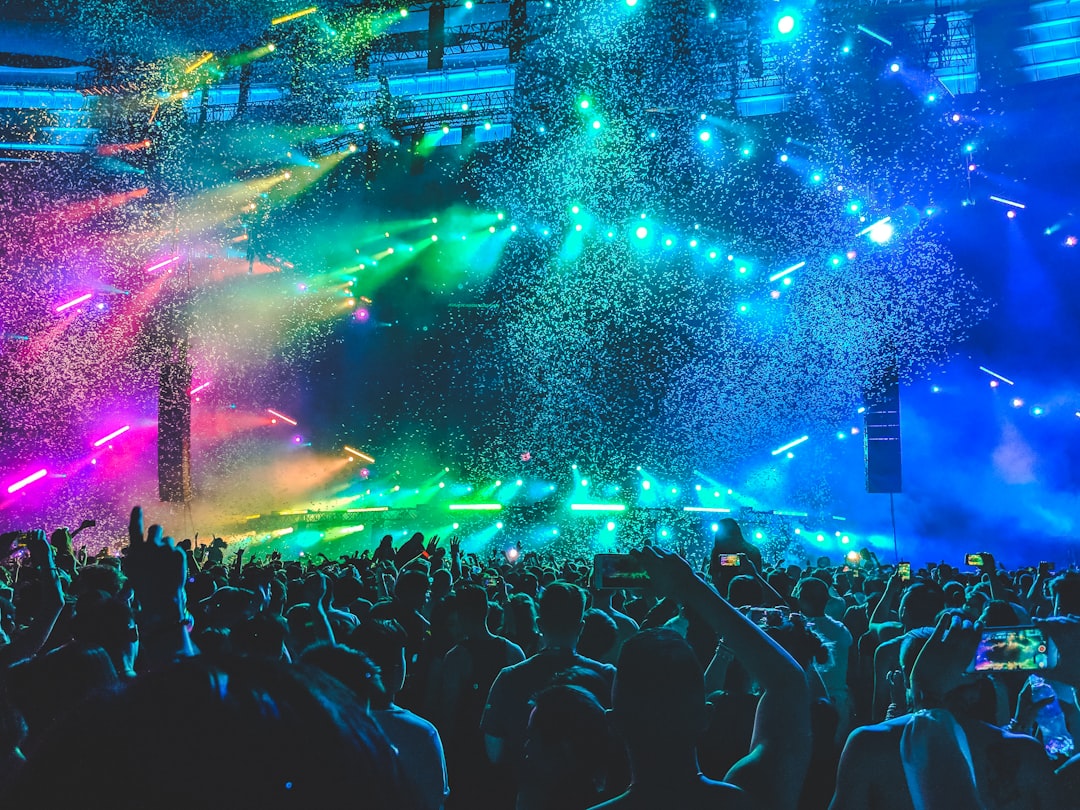
Music festivals are major events usually spread out over several days, featuring a variety of performances by different artists. These events can range from small, community-focused gatherings to large, international spectacles with tens of thousands of attendees. Popular UK music festivals such as Glastonbury, Reading and Leeds, and Wireless offer a diverse range of genres and performers, making them a cultural staple for many, especially during the summer months.
Understanding the Appeal
For many youngsters in the UK, attending a music festival isn't just about seeing their favourite bands and artists perform live; it's about the experience itself. Festivals offer a unique combination of music, art, and community, often accompanied by food stalls, creative workshops, and other cultural activities. They provide a temporary escape from the day-to-day routine and offer a chance to experience something out of the ordinary.
Genres and Diversity
From rock and indie to electronic dance music and hip hop, music festivals showcase a wide array of styles. This diversity not only caters to a broad range of musical tastes but also fosters an environment of cultural exchange and discovery. Attendees often leave with newfound favourites and a greater appreciation of different music genres.
Real-Life Impact on Young People
Attending a music festival can be a transformative experience for teenagers. It's one of the first places where they might feel a strong sense of independence. Making decisions, managing money, and potentially navigating crowds are all part of the festival experience. In addition, these events are social hotspots. Festival-goers have the opportunity to meet new people, strengthen bonds with old friends, and enjoy a shared experience that can deepen relationships.
Building Identity and Confidence
Music festivals offer a safe space for self-expression. Teens often feel free to explore different styles, be it through fashion or dancing. Engaging with various forms of artistic expression, both as spectators and participants, can bolster creativity and confidence.
Practical Strategies for Navigating Music Festivals
Music festivals require a bit of planning and awareness to navigate successfully, particularly for younger attendees existing in a high-energy environment for perhaps the first time. Here are key strategies to ensure not just a fun but a safe festival experience.
1. Planning and Preparation
- Research: Understand the venue layout, performance schedules, and available facilities like charging stations, first aid, food, and water sources.
- Weather-Ready Gear: Prepare for all weather conditions. This includes sunscreen and hats for sunny days or waterproof clothing for rain. Comfortable footwear is a must.
- Pack Essentials: Power banks, water bottles, snacks, a small backpack, and perhaps a disposable camera or a phone for pictures plan to carry essentials that enhance the experience without weighing you down.
2. Safety First
- Stay with Friends: Always move around with friends or trusted festival-goers. Establish a meeting point for everyone in case someone gets lost.
- Hydration and Food: It's easy to get caught up in the excitement and forget to drink water or eat properly. Regularly hydrating and eating nutritious meals are necessary to maintain energy and avoid health issues.
- Know Your Limits: It can be tempting to push the boundaries with late nights and long days, but knowing when to rest can be crucial in preventing festival fatigue.
3. Respect and Responsibility
- Respect for Others: Mindfulness of other people's space and comfort can contribute greatly to a positive atmosphere at the festival.
- Environmental Responsibility: Many festivals are taking steps towards sustainability; attendees should contribute by disposing of waste properly and minimising their environmental footprint.
Conclusion: Making the Most of the Experience
While a music festival offers a fantastic space for fun and freedom, it's also a platform for personal growth and social learning. The pull of live music combined with the ambiance of like-minded music enthusiasts can create unforgettable memories and have a lasting influence on a young person's life.
Whether it's your first festival or one of many, each festival experience can be different. Embrace the music, respect the culture, and ensure safety and preparation go hand in hand with fun and adventure. Music festivals are not just events; they're experiences that shape personal narratives and form lasting communities. Enjoy the rhythm, dance to your heart's content, and possibly discover new aspects of yourself in the process.
How are you feeling?
It is really important that when we need help, we feel able to ask for it. This could be speaking to a parent, a close friend, a teacher or someone else you trust. Sometimes it can be really hard to share our feelings with other people but if we are feeling low or don't know where to turn, sharing with others is really important. Teachers will always take you seriously and listen to your problems in confidence if you approach them for help. Likewise, parents, siblings or friends will help you if you reach out to them.
If you feel like you can't speak to anyone you know, there are people and organisations that can help support you:
- Childline - Call them on 0800 1111 any time of the day or night, every day of the week
- NSPCC - Call them on 0808 800 5000 between 10am and 4pm Monday to Friday or email them on help@NSPCC.org.uk
- The Samaritans – Call them on 116 123 any time of the day or night, every day of the week
- SANE – Call 0300 304 7000 for support (4:30pm - 10:30pm every day)
- Mind – Call 0300 123 3393 (9:00am - 6:00pm Monday to Friday)
*Sometimes we will use real life examples in our articles to aid understanding. When we do, names and ages will be changed.