













Let's get started...
Understanding Podcast Episode Length: What's Ideal?
When considering the creation of a podcast, especially as a young podcaster, one of the fundamental questions you'll face is about the optimal length for each episode. It's a vital consideration that can significantly impact your podcast's success and listener engagement. But, is there a one-size-fits-all answer? Not exactly. The best duration for your podcast episodes can vary widely depending on your content, audience, and personal podcasting goals.
What Influences the Length of a Podcast Episode?
Several factors influence how long each podcast episode should be, making it essential to tailor your episodes to fit your specific situation:
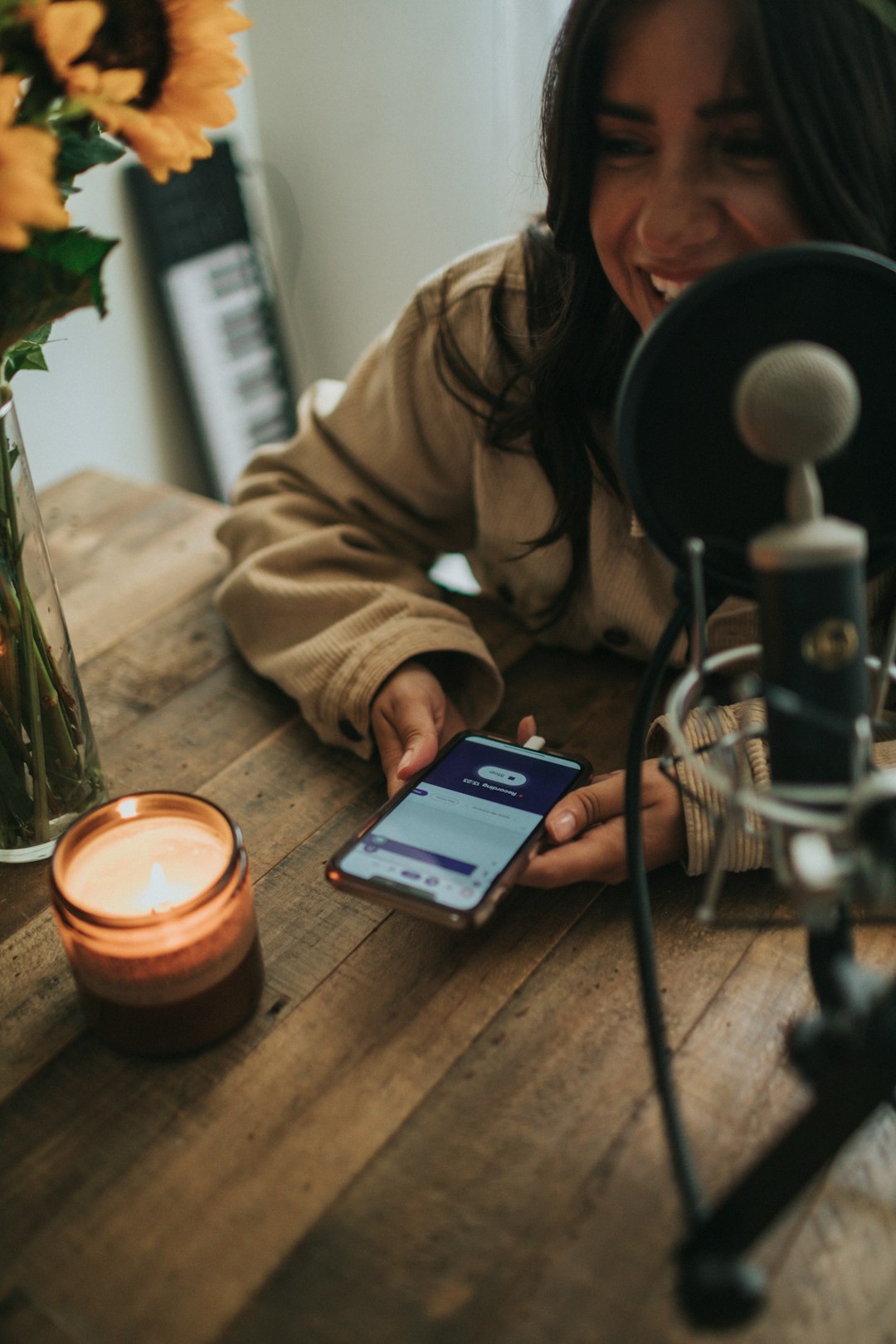
- Content: The nature of your topic or theme plays a pivotal role. In-depth topics, such as tutorials or detailed discussions, might require more time, whereas entertainment-based content might be kept snappier.
- Audience preference: As a teenage podcaster, your audience might consist largely of peers whose attention spans and interest might favour shorter, more engaging podcasts. They might listen while commuting or during breaks, preferring episodes that are around 20-30 minutes long.
- Podcast format: This includes interviews, monologues, storytelling, or panel discussions. For example, interviews might run longer to extract valuable insights, whereas a monologue might be shorter to maintain energy and engagement.
- Publishing frequency: If you release episodes daily, shorter episodes might be more manageable and less likely to overwhelm your listeners. In contrast, a weekly or bi-weekly podcast might benefit from longer, more in-depth episode formats.
Impact on Young Podcasters
As a teenager diving into the world of podcasting, deciding on the episode length will not just affect how your audience perceives your podcast but will also impact your ability to sustainably produce content. Longer episodes require more research, detailed scripting, extensive editing, and considerable commitment, which could be challenging alongside academic and personal commitments. On the other hand, shorter episodes might not fully cover complex subjects, potentially leaving your listeners unsatisfied or finding your content superficial.
Practical Strategies for Determining Your Podcast Length
Deciding on the right episode length can seem daunting, but here are some actionable steps you can take to find the optimal length suited to your podcast:
- Understand Your Content and Goals: Begin by defining what you want to achieve with your podcast and what your episodes are about. A clear goal and understanding of your content will guide your decision on how long to make your episodes.
- Know Your Audience: Conduct surveys or observe the trends within podcasts similar to yours. Understanding the listening habits and preferences of your audience is crucial. You might even directly ask your peers for feedback on what they prefer.
- Experiment: Start experimenting with different lengths. You might begin with a mix of short and long episodes to see which ones gain more traction and engagement from your listeners.
- Quality Over Quantity: It's better to have a shorter, more powerful episode than a longer one filled with filler content. Keep your podcasts crisp and focused on delivering value.
- Consider Editing: Good editing can significantly tighten your content, ensuring that each minute of your podcast is strong and engaging. Sometimes, cutting down on redundant parts can drastically improve the listening experience and reduce the episode length without losing valuable content.
Conclusion
Ultimately, the length of your podcast episodes should balance what's best for your content, your lifestyle, and your listeners' preferences. As you grow and evolve as a podcaster, your understanding of what works best in your context will deepen. Starting with a flexible approach and continuously seeking feedback will greatly assist in finding that perfect episode length. Keep in mind, consistency in quality and delivery often trumps quantity, making your podcast not just a fun venture, but also a potentially impactful one in your community.
How are you feeling?
It is really important that when we need help, we feel able to ask for it. This could be speaking to a parent, a close friend, a teacher or someone else you trust. Sometimes it can be really hard to share our feelings with other people but if we are feeling low or don't know where to turn, sharing with others is really important. Teachers will always take you seriously and listen to your problems in confidence if you approach them for help. Likewise, parents, siblings or friends will help you if you reach out to them.
If you feel like you can't speak to anyone you know, there are people and organisations that can help support you:
- Childline - Call them on 0800 1111 any time of the day or night, every day of the week
- NSPCC - Call them on 0808 800 5000 between 10am and 4pm Monday to Friday or email them on help@NSPCC.org.uk
- The Samaritans – Call them on 116 123 any time of the day or night, every day of the week
- SANE – Call 0300 304 7000 for support (4:30pm - 10:30pm every day)
- Mind – Call 0300 123 3393 (9:00am - 6:00pm Monday to Friday)
*Sometimes we will use real life examples in our articles to aid understanding. When we do, names and ages will be changed.