

















Let's get started...
Understanding Halls of Residence
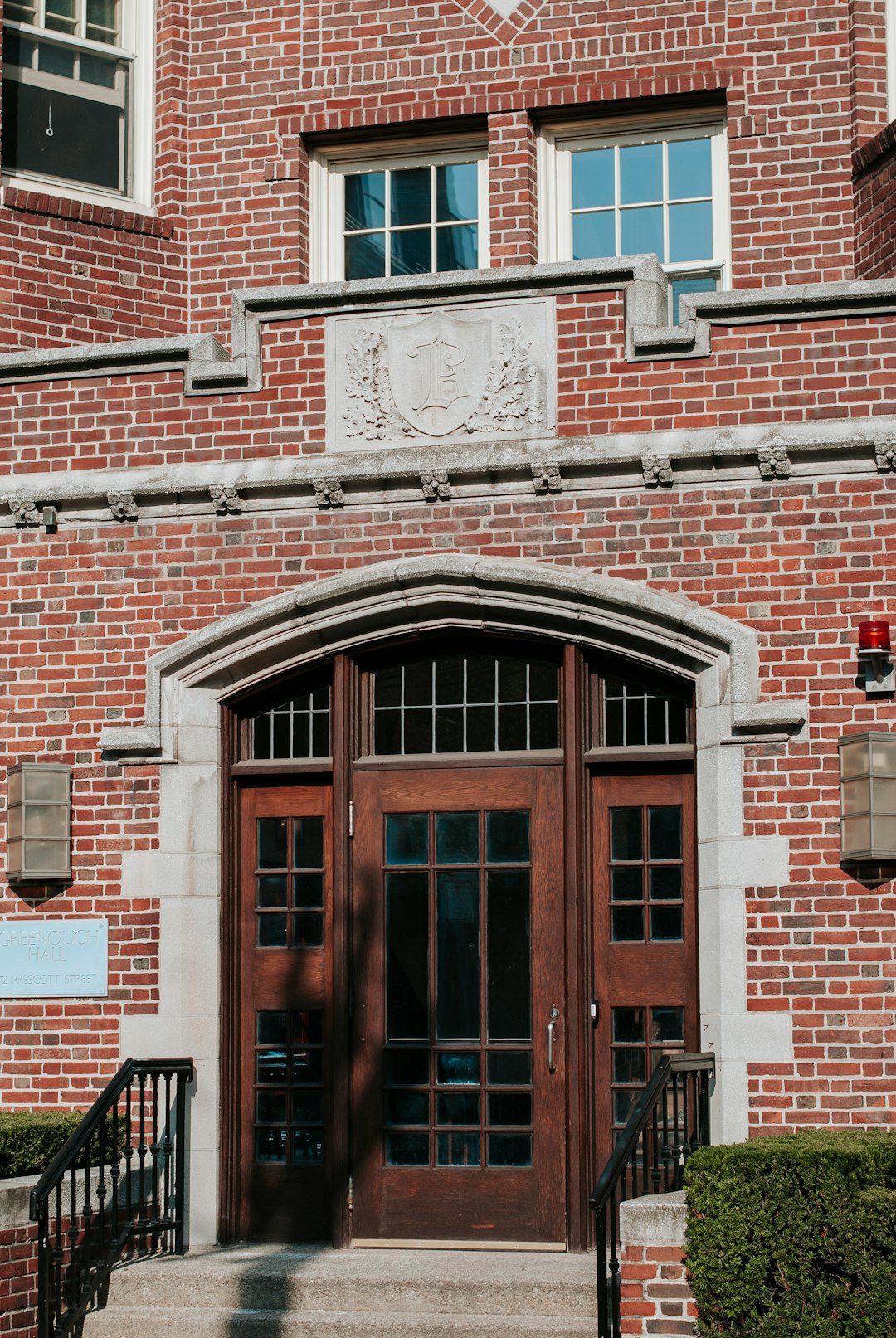
When you hear about university life, one of the first things that might come to mind is living in halls of residence. Essentially, halls of residence are accommodation facilities provided by universities to house their students. These buildings are typically located on or near the university campus, making it incredibly convenient for students to get to their classes, libraries, and other campus facilities.
Halls of residence are more than just a place to sleep; they play a pivotal role in shaping your social and academic life during your university years. Each hall is usually made up of a series of rooms (which might be single or shared) along with communal areas like kitchens, living rooms, and sometimes study rooms. Depending on the university, you might find halls that offer catered options (where meals are provided) or self-catered options where you cook for yourself.
The Real-Life Impact on Young People
Living in halls can significantly impact your student life, particularly if it's your first time living away from home. For many teenagers, this move marks their first step into adulthood, offering a preview of independent living but with a safety net. Halls of residence provide a unique community environment that can be very supportive for new students transitioning into university life.
Firstly, they offer an immediate social network. New students are surrounded by peers who are all in the same boat - away from home, adjusting to a new phase of life, and looking to make friends. This can alleviate feelings of loneliness and provide a sense of belonging. Halls often have organised social events and activities, from welcome parties to sports competitions, which help students bond and form friendships.
Secondly, living in halls places you within a multicultural environment. Universities attract students from varied backgrounds and cultures, and living closely with a diverse set of peers can enhance your understanding and appreciation of different cultures. This exposure is enriching and prepares you for a globalised world.
However, the transition to living in halls isn't always smooth. Challenges such as dealing with roommates, managing your own time and budget, and balancing social activities with academics can be daunting at first.
Practical Strategies for Thriving in Halls of Residence
Here are some strategies to make the most out of your halls of residence experience:
1. Establishing a Good Relationship with Roommates
- Communicate openly: From the start, it's crucial to establish clear communication with your roommates. Discuss your preferences, schedules, and expectations about sharing spaces and responsibilities.
- Be considerate: Always be mindful of your roommates' needs and boundaries. Compromise is key to living harmoniously in shared spaces.
- Address issues promptly: If conflicts arise, address them directly but respectfully. Avoid letting resentment build up, which can sour relationships.
2. Managing Your Time and Responsibilities
- Create a schedule: Balance your academic responsibilities with social activities by maintaining a structured schedule. Use tools like calendars or apps to keep track of your commitments.
- Set goals: Have clear, achievable goals for both your academic and personal life to keep yourself motivated and focused.
- Stay organised: Keep your living space and study area tidy. A clutter-free environment can help reduce stress and boost productivity.
3. Taking Advantage of Support Systems
- Utilise resources: Most universities offer various support services for students living in halls, including academic advising, counselling, and health services. Don't hesitate to use these resources if you need them.
- Get involved: Participating in hall events and joining clubs or societies can ease the transition, help you meet like-minded peers, and build a supportive community.
- Seek peer support: Connect with senior students or hall advisors who can provide you with guidance and advice based on their own experiences.
Living in halls of residence is a quintessential part of the university experience for many students. It offers fantastic opportunities for growth, learning, and making lifelong friendships. With the right approach and mindset, you can navigate any challenges and make the most of your time in halls.
How are you feeling?
It is really important that when we need help, we feel able to ask for it. This could be speaking to a parent, a close friend, a teacher or someone else you trust. Sometimes it can be really hard to share our feelings with other people but if we are feeling low or don't know where to turn, sharing with others is really important. Teachers will always take you seriously and listen to your problems in confidence if you approach them for help. Likewise, parents, siblings or friends will help you if you reach out to them.
If you feel like you can't speak to anyone you know, there are people and organisations that can help support you:
- Childline - Call them on 0800 1111 any time of the day or night, every day of the week
- NSPCC - Call them on 0808 800 5000 between 10am and 4pm Monday to Friday or email them on help@NSPCC.org.uk
- The Samaritans – Call them on 116 123 any time of the day or night, every day of the week
- SANE – Call 0300 304 7000 for support (4:30pm - 10:30pm every day)
- Mind – Call 0300 123 3393 (9:00am - 6:00pm Monday to Friday)
*Sometimes we will use real life examples in our articles to aid understanding. When we do, names and ages will be changed.
