

















Let's get started...
Anxiety is a common experience, especially for teenagers navigating school, friendships, and other challenges. While it can feel overwhelming, the good news is that anxiety can be managed with the right strategies and support. This article explains what anxiety is, how it impacts young people, and practical ways to manage it effectively.What Is Anxiety?
Anxiety is your body's natural response to stress or perceived danger. It's a feeling of worry, fear, or unease that can range from mild to intense. While some anxiety is normal, especially in challenging situations like exams or social events, it becomes a problem when it interferes with your daily life.How Does Anxiety Affect You?
Anxiety can affect your mind and body in many ways. Common symptoms include: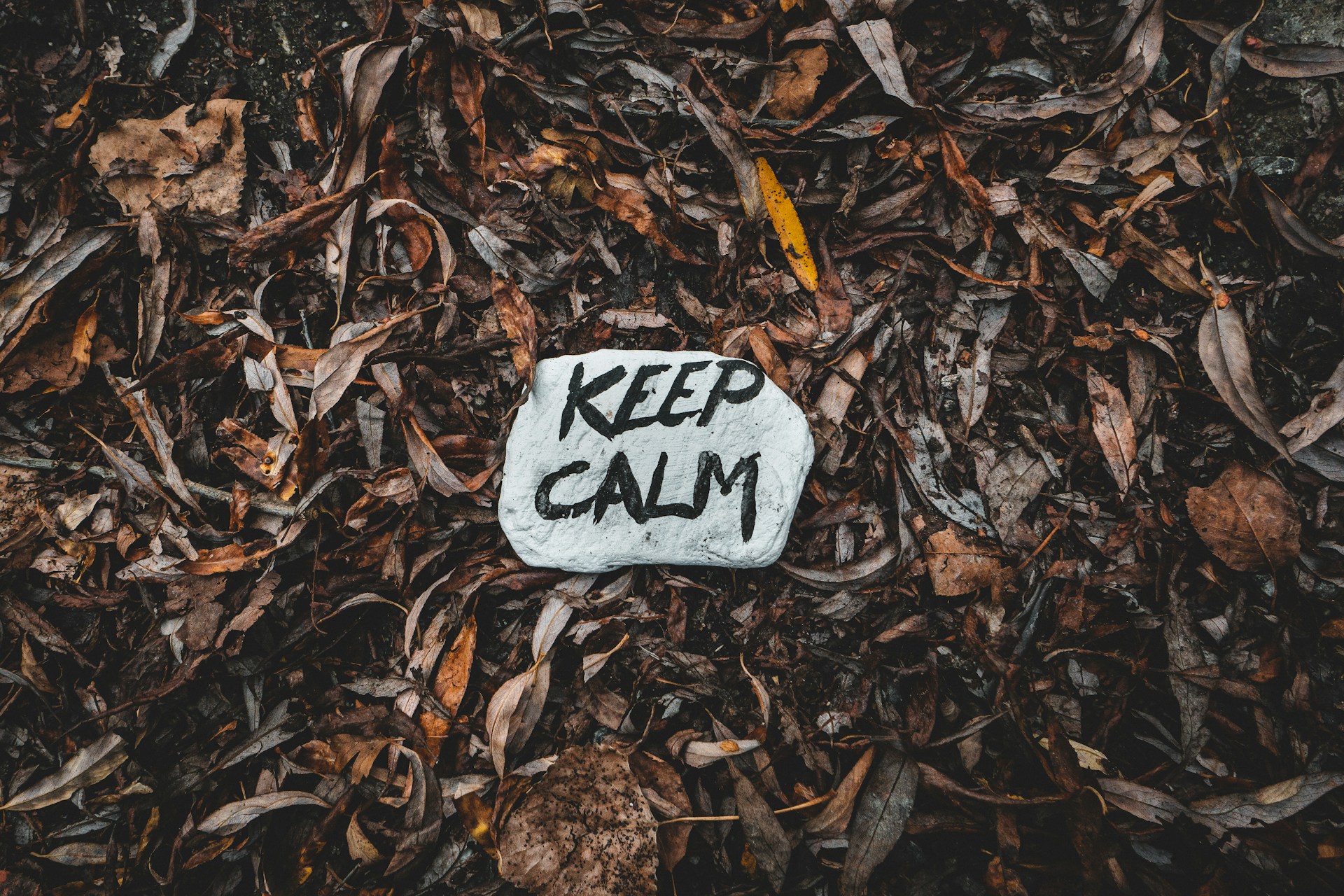
- Racing thoughts or excessive worrying
- Difficulty concentrating
- Physical symptoms like a racing heart, sweating, or stomach aches
- Sleep problems, such as insomnia or restless nights
- Avoiding situations that trigger anxiety
Real-Life Impact of Anxiety on Teenagers
For teenagers, anxiety can impact school performance, friendships, and even self-esteem. Here are some examples:1. Academic Pressure
Ella, 15, often feels anxious before exams. She finds it hard to focus on revision because her mind is filled with "what if" thoughts, like worrying she'll fail or forget everything.2. Social Anxiety
Ryan, 16, avoids parties and group activities because he's scared of being judged by others. This has made it hard for him to make new friends or enjoy social events.3. Physical Strain
Emma, 14, experiences stomach aches and headaches whenever she feels anxious about school. These symptoms make her feel tired and less motivated to participate in class.How Can You Manage Anxiety?
Managing anxiety doesn't mean eliminating it completely but learning how to reduce its impact and cope with it in healthy ways. Here are some practical strategies:1. Practice Relaxation Techniques
Relaxation techniques can help calm your mind and body when you're feeling anxious:- Deep Breathing: Take slow, deep breaths in through your nose for four counts, hold for four counts, and exhale through your mouth for four counts. Repeat this several times to feel calmer.
- Progressive Muscle Relaxation: Tense and then relax each muscle group in your body, starting with your toes and working up to your head.
2. Challenge Negative Thoughts
Anxiety often comes with negative thoughts like "I can't do this" or "Something bad will happen." Try challenging these thoughts by asking yourself:- "Is this thought true?"
- "What evidence do I have for or against this thought?"
- "What's the worst that could happen, and how would I handle it?"
3. Stay Active
Exercise is a great way to reduce anxiety. Physical activity releases endorphins, which boost your mood and help you feel more relaxed. Activities like walking, swimming, or playing a sport can make a big difference.4. Establish a Routine
Having a regular routine can give you a sense of control and stability. Try to wake up, eat meals, and go to bed at consistent times each day. This can also help improve your sleep, which is essential for managing anxiety.5. Limit Caffeine and Sugar
Too much caffeine or sugar can increase feelings of nervousness or restlessness. Try cutting back on energy drinks, fizzy drinks, or sugary snacks if you notice they make your anxiety worse.6. Talk to Someone You Trust
Sharing your feelings with a trusted friend, family member, or teacher can help you feel supported and less alone. Sometimes, just talking about your anxiety can make it feel more manageable.7. Use Mindfulness Techniques
Mindfulness is the practice of focusing on the present moment. It can help you stay grounded and reduce overthinking. Try mindfulness exercises like:- Paying attention to your breathing
- Using the "five senses" technique to focus on what you can see, hear, feel, smell, and taste
- Practicing gratitude by writing down three things you're thankful for each day
When Should You Seek Help?
If anxiety is severely impacting your life and self-help strategies aren't enough, it's important to seek professional support. Signs you might need extra help include:- Feeling anxious most of the time
- Struggling to focus at school or avoid social situations
- Physical symptoms like chest pain, frequent headaches, or trouble sleeping
How to Support a Friend with Anxiety
If you know someone struggling with anxiety, you can help by:- Listening to them without judgment
- Encouraging them to talk to a trusted adult or professional
- Inviting them to join you in relaxing activities, like going for a walk or watching a movie
Building Resilience Against Anxiety
Managing anxiety takes time and practice, but building resilience can help you cope better with stress in the long term. Here's how:- Learn from Challenges: Reflect on past experiences and how you overcame them. This can boost your confidence to handle future challenges.
- Focus on Your Strengths: Identify your skills and qualities that help you face difficult situations.
- Set Realistic Goals: Break big tasks into smaller steps and celebrate small achievements along the way.
Final Thoughts
Anxiety is a normal part of life, but it doesn't have to control you. By using relaxation techniques, challenging negative thoughts, and building a support system, you can learn to manage anxiety and feel more in control. Remember, it's okay to ask for help if you need it, support is always available, and small steps can lead to big changes.How are you feeling?
It is really important that when we need help, we feel able to ask for it. This could be speaking to a parent, a close friend, a teacher or someone else you trust. Sometimes it can be really hard to share our feelings with other people but if we are feeling low or don't know where to turn, sharing with others is really important. Teachers will always take you seriously and listen to your problems in confidence if you approach them for help. Likewise, parents, siblings or friends will help you if you reach out to them.
If you feel like you can't speak to anyone you know, there are people and organisations that can help support you:
- Childline - Call them on 0800 1111 any time of the day or night, every day of the week
- NSPCC - Call them on 0808 800 5000 between 10am and 4pm Monday to Friday or email them on help@NSPCC.org.uk
- The Samaritans – Call them on 116 123 any time of the day or night, every day of the week
- SANE – Call 0300 304 7000 for support (4:30pm - 10:30pm every day)
- Mind – Call 0300 123 3393 (9:00am - 6:00pm Monday to Friday)
*Sometimes we will use real life examples in our articles to aid understanding. When we do, names and ages will be changed.
