
















Let's get started...
Dealing with tough feelings can be really difficult, especially when you're young. Sometimes, when people are really upset or stressed, they might hurt themselves on purpose. This is known as self-harm. It can be hard to talk about, but understanding why it happens and knowing there are other ways to cope can really help.
Why Do Some Teens Turn to Self-Harm?
Self-harm is usually not about trying to end life. It's often a way to deal with overwhelming emotions. For someone going through it, hurting themselves can be a temporary way to feel in control or to release painful feelings. Sadly, the relief is often short-lived, and the emotional pain doesn't really go away.
Teens might start self-harming as a way to express feelings they can't put into words, turn invisible thoughts into visible marks, punish themselves due to feelings of guilt or shame, or briefly stop feeling numb by creating a physical sensation.
The Effects of Self-Harm
Self-harm can affect anyone, regardless of their background, age, or gender, though it's more common among teens. It can lead to serious physical injuries, infections, and even accidental death, even if the person didn't intend to cause severe damage.
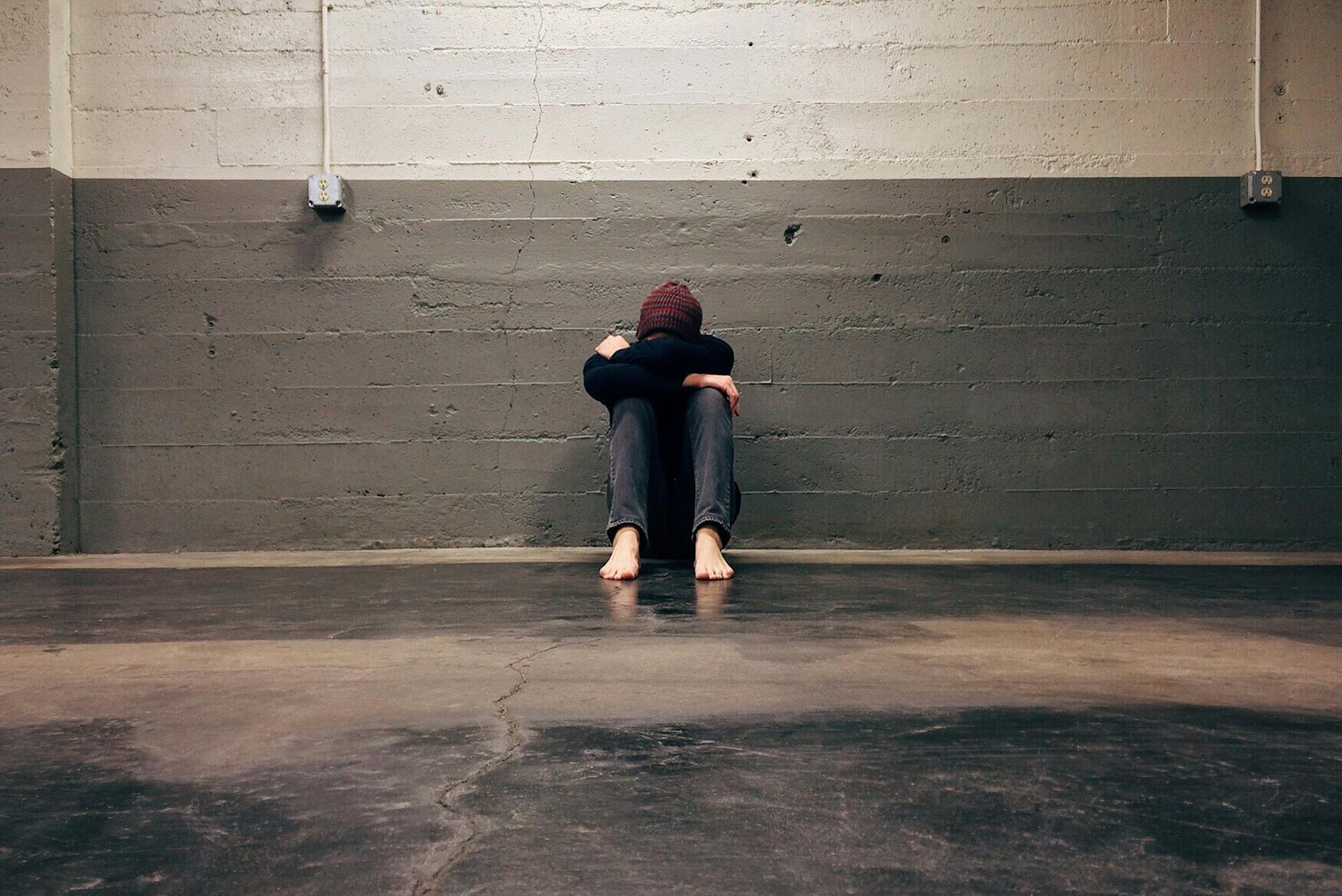
Beyond the physical effects, self-harm can also be really isolating. It might make you feel more alone or embarrassed, which can make it hard to ask for help. It can become a tough cycle to break without the right support.
Recognising the Signs
It's not always easy to tell if someone is self-harming because they might do it in secret. However, there are a few signs you can look out for:
- Unexplained cuts, bruises, or burns, usually on their wrists, arms, thighs, or chest,
- Keeping fully covered, even in hot weather,
- Low self-esteem or blaming themselves for any mistakes,
- Pulling away from friends or family,
- Issues with body image or being really secretive.
What Can You Do to Help?
If you notice a friend struggling with self-harm, or if you're struggling yourself, it's important to talk about it. It can feel really scary to open up about such a personal thing, but talking can relieve a lot of the pressure and help find safer ways to cope.
Talking It Through
It's okay to talk honestly about your struggles with someone you trust. This could be a friend, family member, teacher, or school counsellor. They can help you find the professional help you need to overcome these feelings.
Professional Help
Professional guidance from counsellors, therapists, or doctors can be very effective. They are skilled in helping people discover the root of their emotional pain and can introduce safer, healthier coping strategies.
Healthy Alternatives to Self-Harm
Everyone's different, so the alternative that works best for you might be different from someone else's. Here are some strategies you can try:
- Exercise can help release tension and stress. Whether it's yoga, running, or just walking, find something you enjoy.
- Express yourself through art, writing, music, or dance. Getting your feelings out can reduce the need to harm.
- Talk to friends or participate in social activities can distract you from the urge to self-harm.
- Try relaxation techniques like deep breathing or meditation to help manage intense emotions.
- Set small, manageable goals each day, which can improve your mood and restore a sense of achievement that might be missing.
Long-Term Coping Strategies
Understanding and dealing with the emotions that lead to self-harm is a big part of breaking the cycle. This might involve working with a therapist to learn about what triggers your self-harming behaviour and how to handle those triggers.
Sticking to a treatment plan and attending regular therapy sessions can make a big difference. It's also helpful to work on building relationships with friends and family, who can support you through tough times.
Caring for a Friend
If a friend is dealing with self-harm, the best thing you can do is be there for them. Listen to them without judgment, offer to help them find professional help, and remind them that they are not alone in this.
Remembering You're Not Alone
Many people struggle with self-harm. If you are never alone and there's always help out there. It doesn't make you weak; reaching out for help is actually a sign of great strength. The most important thing is to recognise when you need help and to ask for it.
Final Thoughts
When life feels too difficult to handle alone, remember that it's okay to reach out for help. Whether it's talking to a friend or seeing a professional, taking the first step toward dealing with your emotions is crucial. You deserve to feel better, and although the journey might take time, it can ultimately lead to a happier, healthier you.
How are you feeling?
It is really important that when we need help, we feel able to ask for it. This could be speaking to a parent, a close friend, a teacher or someone else you trust. Sometimes it can be really hard to share our feelings with other people but if we are feeling low or don't know where to turn, sharing with others is really important. Teachers will always take you seriously and listen to your problems in confidence if you approach them for help. Likewise, parents, siblings or friends will help you if you reach out to them.
If you feel like you can't speak to anyone you know, there are people and organisations that can help support you:
- Childline - Call them on 0800 1111 any time of the day or night, every day of the week
- NSPCC - Call them on 0808 800 5000 between 10am and 4pm Monday to Friday or email them on help@NSPCC.org.uk
- The Samaritans – Call them on 116 123 any time of the day or night, every day of the week
- SANE – Call 0300 304 7000 for support (4:30pm - 10:30pm every day)
- Mind – Call 0300 123 3393 (9:00am - 6:00pm Monday to Friday)
*Sometimes we will use real life examples in our articles to aid understanding. When we do, names and ages will be changed.