

















Let's get started...
When people talk about self-harm, they're referring to when someone intentionally hurts themselves as a way to deal with difficult feelings, stressful situations, or overwhelming experiences. This might sound a bit confusing or even scary. Why would someone hurt themselves on purpose? It's important to understand that people who self-harm are often trying to cope with emotional pain, and this is the way they know how to express or manage these feelings.
Understanding the Reasons Behind Self-Harm
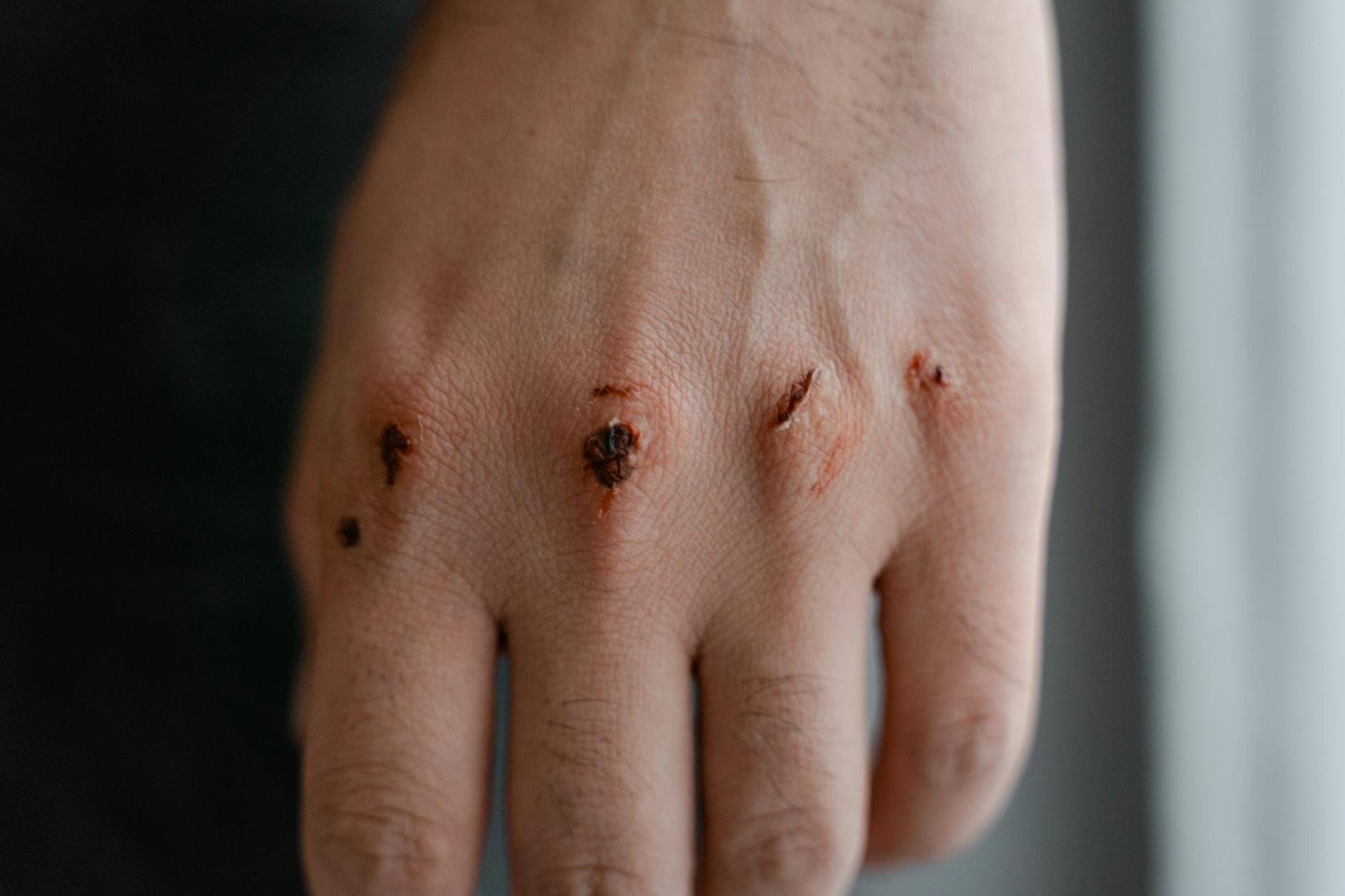
Everyone has their own ways of handling tough times. Some people listen to music, some write in a journal, and others talk to friends or family. However, some people find it really hard to express what they're feeling inside or they might feel like they need to punish themselves or express their emotional pain physically. Self-harm includes things like cutting, burning, or hitting oneself, and it's a sign that someone is struggling a lot.
Here are a few reasons why some people might turn to self-harm:
- Emotional release: Some feel that causing physical pain helps to relieve emotional pain.
- Expressing feelings they can't put into words: It might be easier for them to deal with physical pain than to address emotional turmoil.
- Feeling in control: When everything else feels chaotic, choosing to feel physical pain can feel like a controlled way to handle what's happening in their lives.
- Punishing themselves: Sometimes, people might feel guilty or ashamed and hurt themselves as a form of self-punishment.
Signs of Self-Harm
Knowing what to look out for can help in understanding if someone might be hurting themselves. It can be really hard to tell, but there are a few signs:
- Unexplained cuts, bruises, or burns, typically on the wrists, arms, thighs, or chest.
- Keeping sharp objects on hand without a clear need for them.
- Frequent 'accidents' or excuses for injuries.
- Wearing long sleeves or long trousers in hot weather to hide injuries.
- Withdrawal from friends and usual activities.
- Mood swings or emotional instability.
These signs don't guarantee that someone is self-harming, but they could be a signal that the person needs help.
How Self-Harm Can Affect You
If you or someone you know is self-harming, it can have a big impact on everyday life. Emotional and physical scars can change the way you see yourself and interact with others. It can become a hidden struggle, where keeping the secret becomes as painful as the problem itself. More than that, physical injuries can be serious and sometimes life-threatening.
Strategies for Dealing with Self-Harm
Finding healthier ways to cope with emotions can make a huge difference. Here are some strategies that might help:
- Talk about your feelings: It can feel really hard, but talking to someone you trust, like a friend, family member, teacher, or counsellor, can provide emotional relief and a new perspective on what's causing you pain.
- Express yourself differently: Creative activities like drawing, painting, or writing poetry can help express the intense feelings in a safer and more constructive way.
- Physical activity: Exercise can boost your mood and help you manage stress better. Whether it's running, dancing, or playing a sport, it's about moving your body and changing your mental state.
- Mindfulness and relaxation: Techniques like deep breathing, meditation, or yoga can reduce stress and help you gain control over your feelings without harming yourself.
- Join a support group: Being part of a group where others understand what you're going through can reduce feelings of isolation and provide comfort and ideas for overcoming the problem.
And remember, it's perfectly okay to ask for professional help. There are lots of people, from doctors to therapists, who are trained to help people who are finding things tough and might be self-harming. They can offer strategies and treatments like therapy or medication.
Supporting a Friend Who Self-Harms
If a friend tells you that they're harming themselves, it's normal to feel unsure of what to do â but just being there to listen and showing that you care can be a great start. Encourage them to talk to an adult they trust or seek professional help. It's important, though, to look after your own feelings too. Supporting a friend while managing your own emotional state can be challenging, so make sure you are also getting the support you need.
Remember: Self-harm is a serious issue that needs attention, but with the right help and support, anyone can overcome it and move towards a happier, healthier life.
There's no one-size-fits-all solution, but reaching out for help and exploring healthier coping strategies can lead to recovery and better emotional health. If you or someone you know is struggling with self-harm, it's important to remember that you're not alone and support is available.
How are you feeling?
It is really important that when we need help, we feel able to ask for it. This could be speaking to a parent, a close friend, a teacher or someone else you trust. Sometimes it can be really hard to share our feelings with other people but if we are feeling low or don't know where to turn, sharing with others is really important. Teachers will always take you seriously and listen to your problems in confidence if you approach them for help. Likewise, parents, siblings or friends will help you if you reach out to them.
If you feel like you can't speak to anyone you know, there are people and organisations that can help support you:
- Childline - Call them on 0800 1111 any time of the day or night, every day of the week
- NSPCC - Call them on 0808 800 5000 between 10am and 4pm Monday to Friday or email them on help@NSPCC.org.uk
- The Samaritans – Call them on 116 123 any time of the day or night, every day of the week
- SANE – Call 0300 304 7000 for support (4:30pm - 10:30pm every day)
- Mind – Call 0300 123 3393 (9:00am - 6:00pm Monday to Friday)
*Sometimes we will use real life examples in our articles to aid understanding. When we do, names and ages will be changed.
