



















Let's get started...
As the days get shorter and the nights longer, it's easy to feel a bit gloomier. But did you know this change can actually affect you more than just making you want to stay in bed a little longer? There's something called Seasonal Affective Disorder, or SAD, a type of depression that comes and goes with the seasons, typically starting in the late autumn and early winter months. We might just think we're feeling a bit down because it's cold or dark, but there might be more going on under the surface.Understanding Seasonal Affective Disorder (SAD)
Seasonal Affective Disorder isn't just about feeling a bit sad; it's a recognised medical condition that affects many people, especially in countries like the UK where the winter can mean very short days and long, dark evenings. Symptoms might include feeling low, having less energy, finding it hard to concentrate, or even wanting to eat more, especially sweets and starchy foods. It's important to know that if you're feeling this way, you're not alone and there are reasons why your body is reacting like this. It's partly due to the lack of sunlight which can mess with our internal clocks' or circadian rhythms and the balance of our hormones. For instance, less sunshine means less vitamin D and potentially lower serotonin levels, a chemical that helps to keep our mood steady.How It Might Affect You
As a teenager, your body and brain are still developing, and you are experiencing changes that might be stressful. Being affected by the dark days more than others might make you feel even more isolated or stressed out. It's not just a bad mood' - it might make concentrating in school harder, impact your relationships with friends and family, and diminish your interest in activities you normally enjoy. Facing gloomy weather can make anyone feel less motivated, so when you combine this with the everyday pressures of school and maybe even exams, it can feel quite overwhelming. The way your body reacts to different seasons can feel out of your control, but there are practical steps you can take to feel better.Practical Strategies to Beat the Winter Blues
Understanding is the first step, but what can you actually do to make things a little brighter during the darker months? Here are some strategies: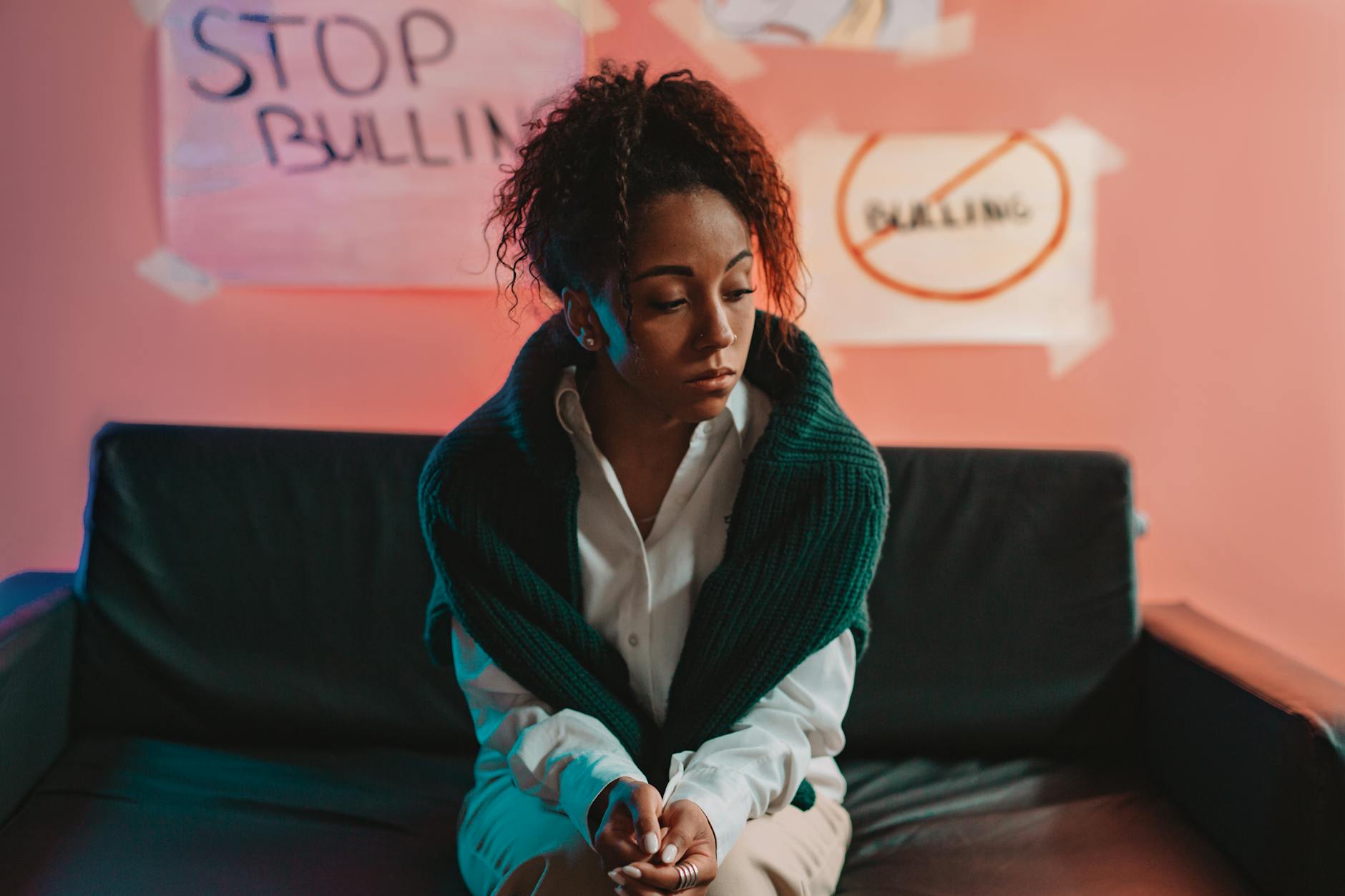
Maximise Natural Sunlight
Exposure to natural light can have a huge impact on your mood. Try to get outside as much as you can, especially on brighter days. Even a short walk during a break at school can help. Also, make your spaces as light and airy as possible draw back the curtains, sit near windows and maybe give your room a tidy up to reflect more light around.Stay Active
Physical activity is a great way to boost your mood. It helps release chemicals in your brain that make you feel happier and more relaxed. That could mean joining a sports team, going for a jog, or just having a dance around your room.Keep a Regular Schedule
Our bodies love routine. Try to keep a regular pattern of sleep and wake up at the same time every day, even on weekends. Also, having a set schedule for meals, exercise, and leisure can help your body clock adjust to the shorter days.Eat Well
Eating balanced meals at regular times can not only keep your body feeling good but also your mind. Include plenty of fruit and vegetables in your diet and try to cut back on the sugary snacks!Connect with Others
Talking to people you trust about how you're feeling can also make a big difference. Spending time with family and friends and doing activities you enjoy can improve your mood and help ward off feelings of isolation.Consider Light Therapy
If your symptoms are very disruptive, and other strategies aren't helping, it might be worth talking to a doctor. They might suggest light therapy, which involves sitting near a special lamp that mimics natural outdoor light and can influence brain chemicals linked to mood. Remember, it's always ok to ask for help if you're feeling down, especially during the winter months when it might be due to something like SAD. Talking to a teacher, a family member, a GP, or any adult you trust can be a great first step.Conclusion
Seasonal changes affect us all differently, and it's completely normal to find the shorter, darker days challenging. By recognising how these changes make us feel and using some practical strategies to manage these feelings, you can help make sure it doesn't hold you back. You don't have to sit in the dark, both literally and metaphorically; there are steps you can take to bring a little light into everyday life, even in winter! So next time you're feeling down during the cold, dark months, remember it doesn't always have to be this way. With the right knowledge and tools, you can brighten your days and ward off those winter blues!How are you feeling?
It is really important that when we need help, we feel able to ask for it. This could be speaking to a parent, a close friend, a teacher or someone else you trust. Sometimes it can be really hard to share our feelings with other people but if we are feeling low or don't know where to turn, sharing with others is really important. Teachers will always take you seriously and listen to your problems in confidence if you approach them for help. Likewise, parents, siblings or friends will help you if you reach out to them.
If you feel like you can't speak to anyone you know, there are people and organisations that can help support you:
- Childline - Call them on 0800 1111 any time of the day or night, every day of the week
- NSPCC - Call them on 0808 800 5000 between 10am and 4pm Monday to Friday or email them on help@NSPCC.org.uk
- The Samaritans – Call them on 116 123 any time of the day or night, every day of the week
- SANE – Call 0300 304 7000 for support (4:30pm - 10:30pm every day)
- Mind – Call 0300 123 3393 (9:00am - 6:00pm Monday to Friday)
*Sometimes we will use real life examples in our articles to aid understanding. When we do, names and ages will be changed.
