













Let's get started...
Understanding Stress and Emotional Reactions
Stress is an inevitable part of life, especially during your teenage years when you are dealing with school pressures, social dynamics, and many pivotal changes. Recognising how stress manifests can help you manage it more effectively. Stress isn't just about feeling overwhelmed; it triggers a broad spectrum of emotional reactions, each affecting your well-being in unique ways.
Common Emotional Reactions to Stress
Let's delve into some typical emotional reactions to stress, which vary among individuals but often include the following:
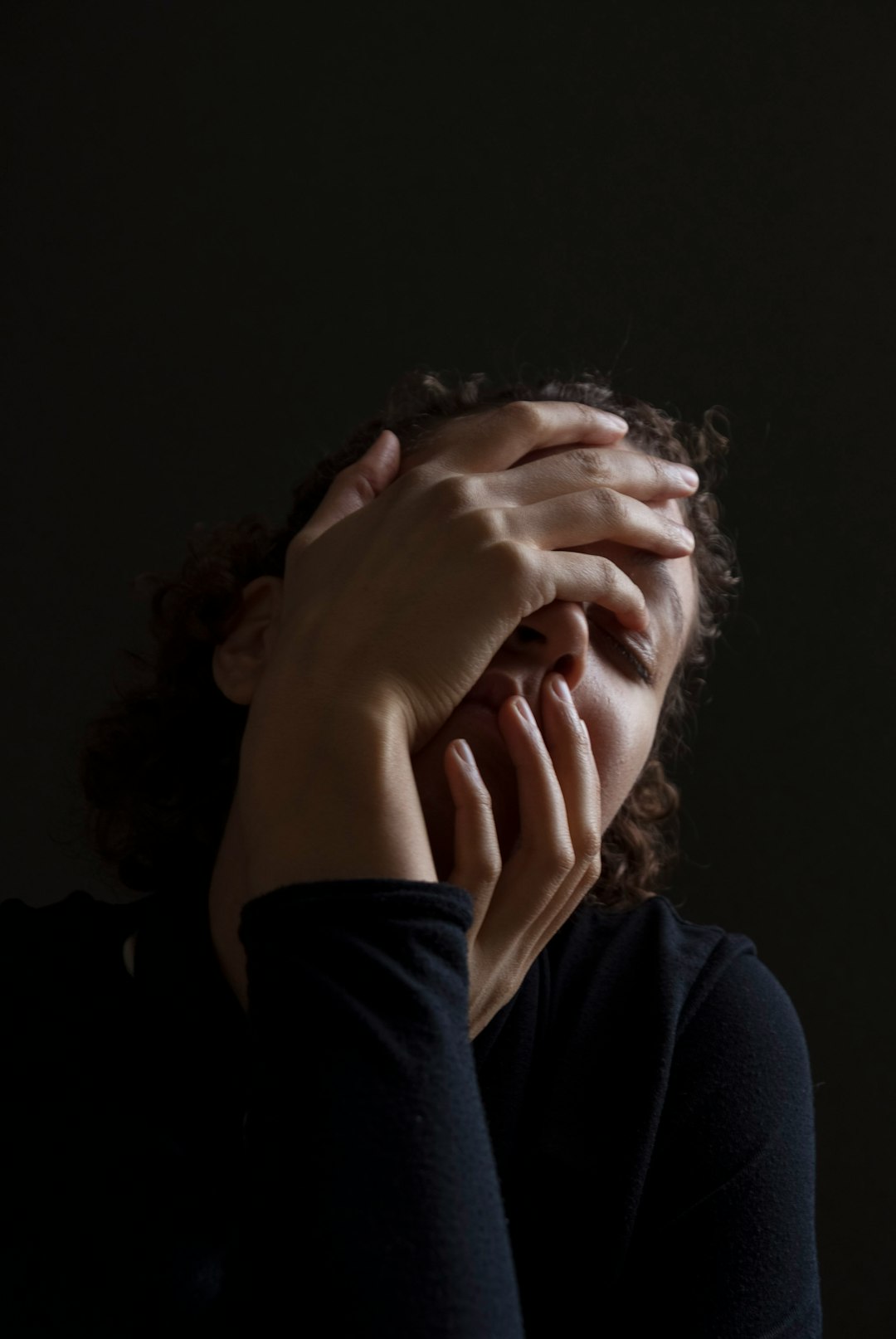
Anxiety and Worry
Anxiety is a common response to stress, especially when you face uncertain outcomes, like during exams or social events. It manifests as heightened worry about future events, sometimes leading to physical symptoms like stomach aches or trembling.
Irritability and Frustration
Stress often makes people feel irritable or easily agitated. Minor inconveniences become more irritating than they would be under less stressful conditions. This can strain relationships with family and friends, potentially leading to conflicts or misunderstandings.
Sadness and Depression
Long-term stress can lead to feelings of hopelessness, which might evolve into depression if left unchecked. This is characterised by a persistent feeling of sadness and a lack of interest in previously enjoyed activities.
Anger
Stress can also lead to feelings of anger, even over seemingly minor issues. This might result in aggressive reactions or outbursts that can be harmful to both oneself and others.
Overwhelm
Feeling overwhelmed is a direct result of too much stress, with the sense that you can't cope with the demands placed upon you. This can lead to an inability to focus or make decisions.
Impact of Emotional Reactions on a Young Person
These emotional reactions can significantly impact a teenager's life. Here's how:
Academic Performance
Stress-related emotions like anxiety and overwhelm can impair concentration and memory, which are crucial for learning. This often results in lower grades and disinterest in school work.
Social Relationships
Irritability and anger induced by stress can lead to conflicts with peers and family, potentially resulting in social isolation and worsening emotional health.
Physical and Mental Health
Chronic stress and its emotional toll can contribute to developing mental health issues, such as anxiety disorders or depression. Additionally, prolonged stress can lead to physical health problems, like headaches and sleep disturbances.
Practical Strategies for Managing Emotional Reactions to Stress
Managing your stress and its accompanying emotional reactions requires proactive strategies. Here are some practical tips:
Identify the Stressors
recognise what aspects of your life are causing you stress. This might be school work, exams, relationships, or concerns about your future. Pinpointing these can help you address them more directly.
Develop Healthy Coping Mechanisms
Engaging in physical activity, maintaining a social support network, and pursuing hobbies can provide outlets for stress relief. Methods such as mindfulness and meditation can also alter your emotional response to stress by enhancing your sense of control and well-being.
Set Realistic Goals
Setting achievable goals helps prevent feelings of overwhelm and keeps you motivated. Make sure these goals are specific, measurable, attainable, relevant, and time-bound (SMART).
Seek Professional Help
If your emotional reactions to stress become unbearable or interrupt your daily life, it might be beneficial to speak with a counsellor or therapist. These professionals can provide strategies and insights into managing stress more effectively.
Maintain a Healthy Lifestyle
Eating a balanced diet, getting regular exercise, and ensuring adequate sleep are crucial for mental health. These healthy habits can improve your resilience against the emotional impacts of stress.
Stress and its emotional reactions are part and parcel of life, especially during your formative teenage years. By understanding these emotions and addressing them with practical strategies, you can safeguard your mental and physical health, ensuring a more balanced and fulfilling life.
How are you feeling?
It is really important that when we need help, we feel able to ask for it. This could be speaking to a parent, a close friend, a teacher or someone else you trust. Sometimes it can be really hard to share our feelings with other people but if we are feeling low or don't know where to turn, sharing with others is really important. Teachers will always take you seriously and listen to your problems in confidence if you approach them for help. Likewise, parents, siblings or friends will help you if you reach out to them.
If you feel like you can't speak to anyone you know, there are people and organisations that can help support you:
- Childline - Call them on 0800 1111 any time of the day or night, every day of the week
- NSPCC - Call them on 0808 800 5000 between 10am and 4pm Monday to Friday or email them on help@NSPCC.org.uk
- The Samaritans – Call them on 116 123 any time of the day or night, every day of the week
- SANE – Call 0300 304 7000 for support (4:30pm - 10:30pm every day)
- Mind – Call 0300 123 3393 (9:00am - 6:00pm Monday to Friday)
*Sometimes we will use real life examples in our articles to aid understanding. When we do, names and ages will be changed.