



















Let's get started...
Mental health is a crucial topic that affects everyone, yet it's often misunderstood or avoided in conversation. For teenagers, understanding mental health can help you navigate challenges, support friends, and build resilience. Here are 10 things you've always wanted to know about mental health but might have been too afraid to ask.1. What Is Mental Health?
Mental health refers to your emotional, psychological, and social well-being. It influences how you think, feel, and behave in everyday life. Just like physical health, mental health requires care and attention. It's normal to experience ups and downs, but maintaining good mental health helps you handle stress, build relationships, and make decisions.2. Why Is Mental Health Important?
Mental health is essential because it affects every aspect of your life. Poor mental health can impact your school performance, relationships, and physical health. On the flip side, good mental health allows you to cope with challenges, enjoy life, and pursue your goals. Taking care of your mental health is just as important as looking after your body.3. What Are Common Mental Health Issues?
Mental health issues come in many forms, but some common ones among teenagers include: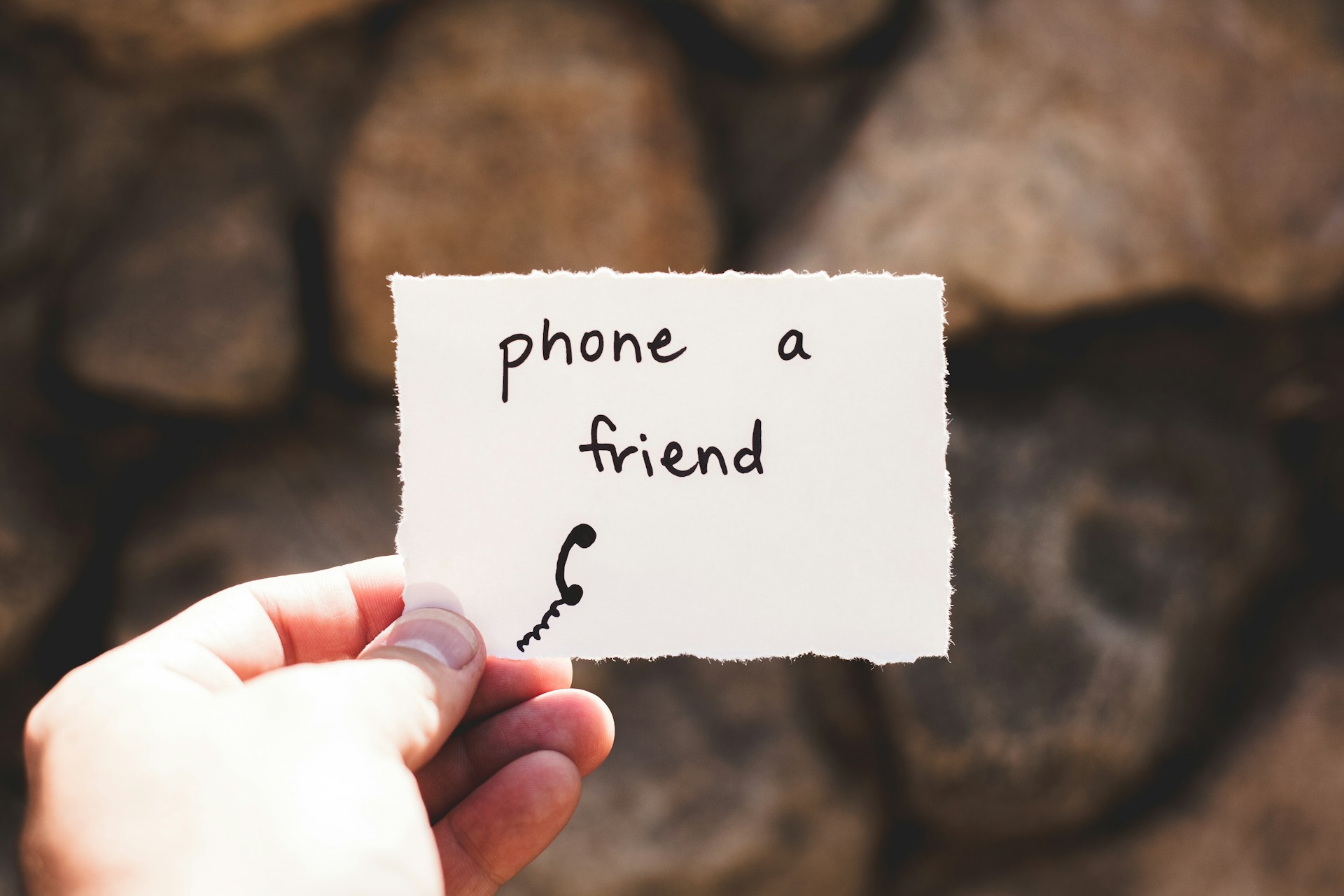
- Anxiety: Persistent worry or fear that interferes with daily life.
- Depression: Feelings of sadness or hopelessness that last for weeks or months.
- Eating disorders: Unhealthy relationships with food and body image, like anorexia or bulimia.
- Self-harm: Hurting yourself as a way to cope with emotional pain.
4. What Causes Mental Health Problems?
Mental health problems can have many causes, including:- Biological factors: Genetics or chemical imbalances in the brain.
- Life experiences: Trauma, bullying, or family conflict.
- Stress: Academic pressure, social expectations, or major life changes.
- Lifestyle: Lack of sleep, poor diet, or not enough physical activity.
5. How Can Mental Health Affect a Teenager's Life?
Mental health issues can impact various areas of a teenager's life, including:- School: Difficulty concentrating, poor grades, or missing classes.
- Relationships: Strained friendships or conflicts with family members.
- Physical health: Sleep problems, fatigue, or changes in appetite.
- Self-esteem: Feeling unworthy or not good enough.
6. How Do You Know If You're Struggling with Mental Health?
It can be hard to recognise when you're struggling with mental health. Here are some signs to look out for:- Feeling sad, anxious, or irritable most of the time.
- Withdrawing from friends and activities you used to enjoy.
- Changes in sleep or appetite.
- Difficulty concentrating or making decisions.
- Feeling hopeless or thinking about self-harm.
7. Real-Life Impact: A Teen's Story
Ella, a 15-year-old from Birmingham, shared her experience: "I started feeling overwhelmed by school and social media. I didn't talk to anyone about it because I thought they'd judge me. When I finally told my mum, she helped me see a counsellor. It's been tough, but I'm learning to manage my anxiety and feel better about myself." Ella's story shows how opening up can be the first step to feeling better.8. How Can You Take Care of Your Mental Health?
Looking after your mental health doesn't have to be complicated. Try these tips:- Talk to someone: Share your feelings with a trusted friend or adult.
- Get active: Exercise can boost your mood and reduce stress.
- Sleep well: Aim for 8-10 hours of sleep each night to help your mind and body recharge.
- Practice self-care: Spend time doing things you enjoy, like reading, drawing, or listening to music.
- Set boundaries: Limit time on social media and take breaks from stressful situations.
9. What Should You Do If a Friend Is Struggling?
If you notice a friend showing signs of mental health problems, here's how you can help:- Listen: Be there for them without judgement or advice unless they ask.
- Encourage them to seek help: Suggest talking to a teacher, parent, or counsellor.
- Stay supportive: Check in regularly and remind them they're not alone.
- Know your limits: You're not responsible for fixing their problems, professional help is essential.
10. Where Can You Find Help?
If you or someone you know needs help, there are many resources available:- Childline: A free, confidential helpline for young people.
- YoungMinds: Offers mental health support and advice for teenagers.
- GP or school counsellor: Talk to a trusted adult who can guide you to professional support.
- Local support groups: Many communities have resources for young people struggling with mental health.
Conclusion
Mental health is an important part of your overall well-being, and it's okay to talk about it. By understanding mental health, recognising the signs of problems, and seeking help when needed, you can take control of your emotional well-being. Whether you're supporting a friend or looking after yourself, remember that help is always available, and you don't have to face these challenges alone.How are you feeling?
It is really important that when we need help, we feel able to ask for it. This could be speaking to a parent, a close friend, a teacher or someone else you trust. Sometimes it can be really hard to share our feelings with other people but if we are feeling low or don't know where to turn, sharing with others is really important. Teachers will always take you seriously and listen to your problems in confidence if you approach them for help. Likewise, parents, siblings or friends will help you if you reach out to them.
If you feel like you can't speak to anyone you know, there are people and organisations that can help support you:
- Childline - Call them on 0800 1111 any time of the day or night, every day of the week
- NSPCC - Call them on 0808 800 5000 between 10am and 4pm Monday to Friday or email them on help@NSPCC.org.uk
- The Samaritans – Call them on 116 123 any time of the day or night, every day of the week
- SANE – Call 0300 304 7000 for support (4:30pm - 10:30pm every day)
- Mind – Call 0300 123 3393 (9:00am - 6:00pm Monday to Friday)
*Sometimes we will use real life examples in our articles to aid understanding. When we do, names and ages will be changed.
