

















Let's get started...
Understanding Non-Binary: A Fresh Perspective on Gender Identity
In today's world, discussions around gender are becoming more nuanced and comprehensive, moving beyond the traditional views of male and female. One such conversation revolves around the concept of being non-binary, a term that has gained significant attention in recent years. This article aims to demystify what it means to be non-binary, explore its implications for young people, and offer practical strategies for those who identify this way or wish to support someone who does.
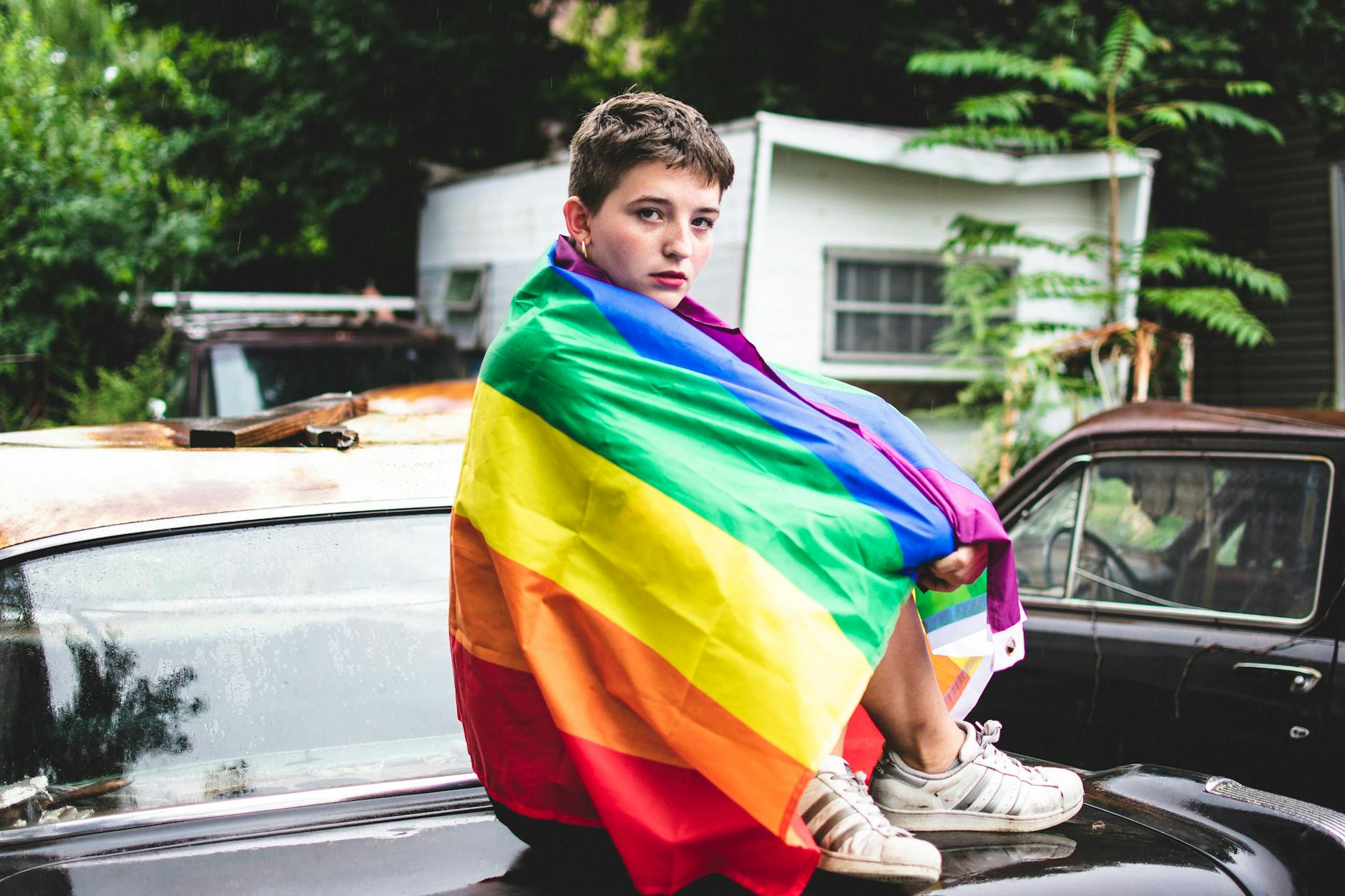
What Does It Mean to Be Non-Binary?
Non-binary refers to a gender identity that does not fit neatly into the traditional categories of 'male' or 'female.' It's an umbrella term covering any gender identity that doesn't strictly adhere to the binary of male or female. This can include identities such as agender (having no gender), bigender (identifying as two genders), genderfluid (experiencing different genders at different times), and many other unique experiences of gender.
Historical and Cultural Context
While the term 'non-binary' might seem modern, the existence of non-binary people is not new. Many cultures around the world recognise more than two genders, such as the 'hijras' of South Asia, the 'Two-Spirit' people in Indigenous North American cultures, and others. In Western societies, however, the recognition of non-binary identities has gained more visibility in the last decade, with more people advocating for their rights and recognition within legal and social structures.
The Impact on Young People
Understanding and exploring gender identity can be a significant aspect of a young person's life. Realising that they might not fit into traditional gender roles can be confusing, but also liberating. Non-binary teenagers might feel empowered by finding a label that fit's their personal experience. However, they may also encounter challenges such as misunderstanding from peers and adults, difficulty with bureaucratic systems that do not recognise non-binary genders, and the high rates of mental health concerns within the LGBTQ+ community.
Practical Strategies for Non-Binary Teenagers
1. Educate Yourself and Others
Knowledge is power. Understanding more about non-binary identities can make it easier to explain your feelings to others and advocate for yourself in social, educational, and medical settings. There are many resources available online and likely groups and organisations nearby that focus on LGBTQ+ issues.
2. Find Community
Connecting with others who share your experiences can provide support, validation, and friendship. This might be online, through social media groups and forums, or in person, by joining clubs or groups within your school or community.
3. Communicate Your Needs
Be clear about your pronouns (they/them, xe/xem, etc.) and what you are comfortable with in terms of gender expression. This can help others understand and respect your identity.
4. Seek Professional Support
If you're struggling with your mental health or need someone to talk to about your gender identity, look for a counsellor or therapist who is knowledgeable about LGBTQ+ issues. Some organisations offer specialised services for young people, so take advantage of these resources if you can.
5. Stand Up for Your Rights
Learn about the laws and policies that affect non-binary and transgender people in your area. Knowing your rights can empower you to advocate for yourself in situations like using the correct bathroom, choosing what to wear for school photos, or amending your name and gender on official documents.
Supporting Non-Binary Peers
1. Use the Correct Pronouns
Using the pronouns someone has stated they go by is one of the simplest yet most powerful ways to show respect for their identity.
2. Educate Yourself
Learn about non-binary identities to avoid burdening your non-binary peers with the job of educating you.
3. Challenge Gender Norms
Think critically about how society's traditional gender roles and expectations impact everyone, and advocate for more inclusive practices.
4. Be an Ally
Stand up against derogatory language or behaviours that target non-binary people. Having supportive allies can make a profound difference in a non-binary individual's life.
Conclusion
Being non-binary is a valid and recognised identity, although it can come with it's unique set of challenges, particularly for young people navigating the complexities of adolescence. Educating yourself, connecting with others, and advocating for rights and recognition can make this journey more manageable and affirming. Whether you identify as non-binary or are seeking to support someone who does, remember the importance of respect, understanding, and empathy throughout your interactions.
How are you feeling?
It is really important that when we need help, we feel able to ask for it. This could be speaking to a parent, a close friend, a teacher or someone else you trust. Sometimes it can be really hard to share our feelings with other people but if we are feeling low or don't know where to turn, sharing with others is really important. Teachers will always take you seriously and listen to your problems in confidence if you approach them for help. Likewise, parents, siblings or friends will help you if you reach out to them.
If you feel like you can't speak to anyone you know, there are people and organisations that can help support you:
- Childline - Call them on 0800 1111 any time of the day or night, every day of the week
- NSPCC - Call them on 0808 800 5000 between 10am and 4pm Monday to Friday or email them on help@NSPCC.org.uk
- The Samaritans – Call them on 116 123 any time of the day or night, every day of the week
- SANE – Call 0300 304 7000 for support (4:30pm - 10:30pm every day)
- Mind – Call 0300 123 3393 (9:00am - 6:00pm Monday to Friday)
*Sometimes we will use real life examples in our articles to aid understanding. When we do, names and ages will be changed.
