

















Let's get started...
Gender identity is a topic that has become much more visible in recent years, but it can still feel confusing or difficult to talk about. For teenagers, understanding what gender identity means and how it impacts individuals can foster empathy, self-awareness, and inclusivity. Here are 10 things you've always wanted to know about gender identity but might have been too afraid to ask.1. What Is Gender Identity?
Gender identity refers to a person's deeply felt sense of their own gender, which may or may not align with the sex they were assigned at birth. It's about how someone experiences and expresses themselves, whether as male, female, both, neither, or something else entirely. Gender identity is a personal and integral part of who someone is.2. What's the Difference Between Gender and Sex?
Sex is typically assigned at birth based on physical characteristics like anatomy and chromosomes (male, female, or intersex). Gender, on the other hand, is a social and cultural concept that involves roles, behaviours, and identities. While sex is biological, gender is about how individuals perceive themselves and how they fit into society's expectations.3. What Does It Mean to Be Transgender?
Transgender, or trans, describes someone whose gender identity is different from the sex they were assigned at birth. For example, a person assigned female at birth who identifies as male may describe themselves as a trans man. Trans people might choose to transition socially, medically, or both to align their appearance and lifestyle with their gender identity.4. What Are Non-Binary and Genderqueer Identities?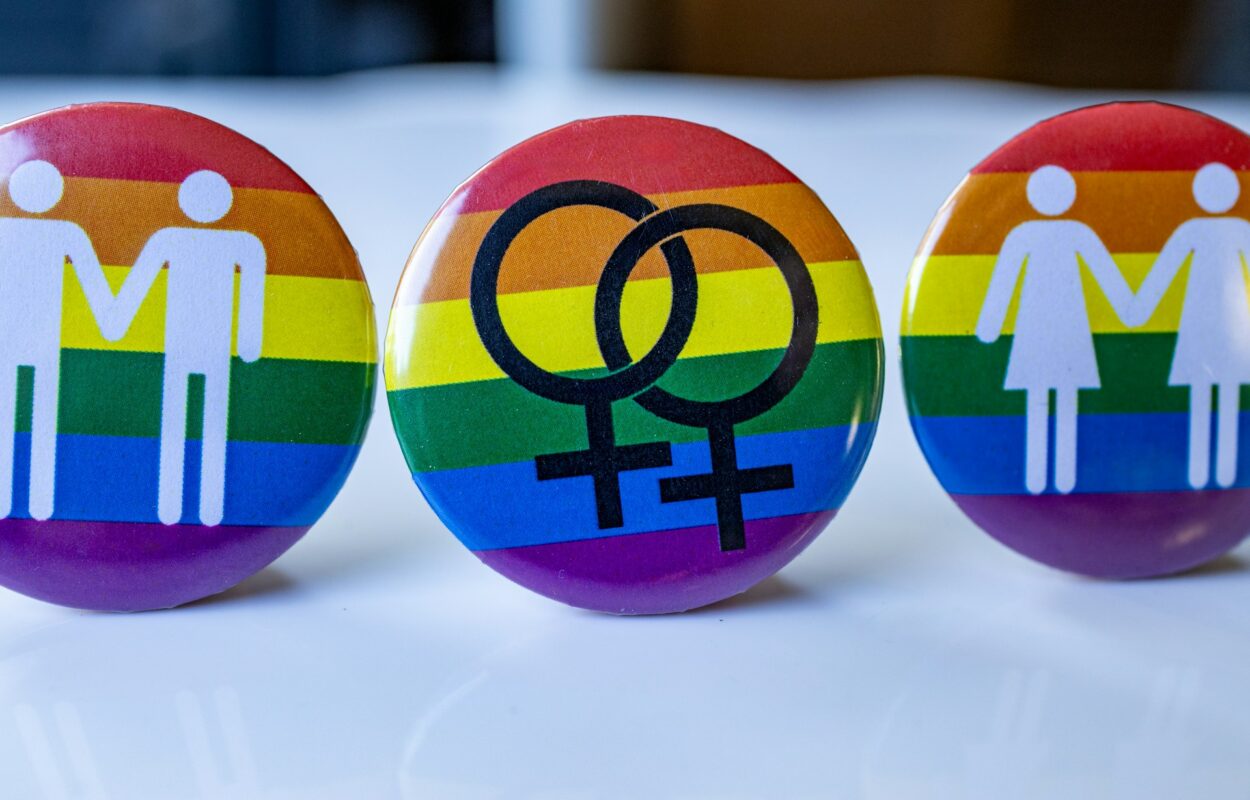
Non-binary and genderqueer are umbrella terms for people whose gender identity doesn't fit within the traditional categories of male or female. Non-binary individuals might feel like both genders, neither, or something entirely different. Some non-binary people use pronouns like they/them, while others might prefer a mix of pronouns or new ones like ze/zir.
5. How Can Gender Identity Affect Young People?
Discovering and expressing one's gender identity can be both empowering and challenging, especially for teenagers. Some young people face confusion, fear, or discrimination, which can affect their mental health, relationships, and self-esteem. On the other hand, being supported in their identity can lead to greater confidence and happiness.6. What's the Role of Pronouns?
Pronouns, such as he/him, she/her, or they/them, are a way to show respect for someone's gender identity. Using the correct pronouns is an important part of validating someone's identity. If you're unsure of someone's pronouns, it's okay to politely ask or to use their name until you know.7. Real-Life Impact: A Teen's Story
Alex, a 15-year-old from Manchester, shared their journey: "I realised I was non-binary when I was 13. It was hard to tell my friends and family, but their support made all the difference. Being able to express myself openly has given me so much confidence." Stories like Alex's highlight the importance of acceptance and understanding in helping young people thrive.8. How Can You Support Someone Exploring Their Gender Identity?
If a friend or family member is exploring their gender identity, your support can make a huge difference. Here's how you can help:- Listen: Let them share their feelings without judgement or interruption.
- Respect their choices: Use their preferred name and pronouns.
- Educate yourself: Learn about gender identity so you can better understand their experience.
- Be patient: Accept that they may still be figuring things out.
9. What Should You Do If You're Questioning Your Own Gender Identity?
It's okay to question your gender identity, self-discovery is a process, not a race. Here are some steps you can take:- Reflect: Spend time thinking about what feels right for you.
- Talk to someone: Share your feelings with a trusted friend, family member, or counsellor.
- Explore resources: Look into books, videos, or online communities that discuss gender identity.
- Take your time: There's no rush to label yourself, your journey is unique.
10. Where Can You Find Support and Resources?
If you or someone you know is navigating gender identity, there are many resources available to help:- Mermaids UK: A charity supporting trans, non-binary, and gender-diverse young people.
- Stonewall: A leading LGBTQ+ organisation offering information and advocacy.
- School counsellors: Talk to a trusted adult at school who can provide guidance.
- Local LGBTQ+ groups: Find community organisations in your area for support and connection.
Conclusion
Gender identity is a deeply personal journey, and understanding it can help you better support yourself and those around you. By learning about gender diversity, respecting pronouns, and offering kindness and empathy, you can create a more inclusive and accepting environment for everyone. Remember, whether you're exploring your own identity or supporting someone else, there's no wrong way to be yourself.How are you feeling?
It is really important that when we need help, we feel able to ask for it. This could be speaking to a parent, a close friend, a teacher or someone else you trust. Sometimes it can be really hard to share our feelings with other people but if we are feeling low or don't know where to turn, sharing with others is really important. Teachers will always take you seriously and listen to your problems in confidence if you approach them for help. Likewise, parents, siblings or friends will help you if you reach out to them.
If you feel like you can't speak to anyone you know, there are people and organisations that can help support you:
- Childline - Call them on 0800 1111 any time of the day or night, every day of the week
- NSPCC - Call them on 0808 800 5000 between 10am and 4pm Monday to Friday or email them on help@NSPCC.org.uk
- The Samaritans – Call them on 116 123 any time of the day or night, every day of the week
- SANE – Call 0300 304 7000 for support (4:30pm - 10:30pm every day)
- Mind – Call 0300 123 3393 (9:00am - 6:00pm Monday to Friday)
*Sometimes we will use real life examples in our articles to aid understanding. When we do, names and ages will be changed.
