

















Let's get started...
Eating disorders are complex mental health conditions that impact not only physical health but emotional well-being. They typically manifest around pre-adolescence to young adulthood, making teenagers particularly susceptible. Understanding what an eating disorder encompasses, recognising the signs, and knowing how to seek help can make a significant difference in recovery outcomes.
Understanding Eating Disorders
Eating disorders are serious and often fatal illnesses that are associated with severe disturbances in people's eating behaviours and related thoughts and emotions. There are several types, including Anorexia Nervosa, Bulimia Nervosa, and Binge Eating Disorder. Each disorder has unique symptoms but commonly revolves around an obsessive concern with weight, body shape, and food.
Anorexia Nervosa is characterised by weight loss, difficulty maintaining an appropriate body weight for height, age, and stature, and, in many individuals, distorted body image. People with anorexia generally restrict the number of calories and the types of food they eat.
Bulimia Nervosa involves periods of overeating followed by purging, sometimes by vomiting or using laxatives. Binge eating disorders are similar but don't involve purging.
These disorders stem from a combination of behavioural, biological, emotional, psychological, and social factors. Teenagers, facing pressure to meet certain aesthetic standards, might find themselves more vulnerable to these conditions.
Signs and Symptoms
recognising the signs of an eating disorder can be tricky, especially in oneself. Feelings of denial and fear can often accompany acknowledgment. Here are common signs to look out for:
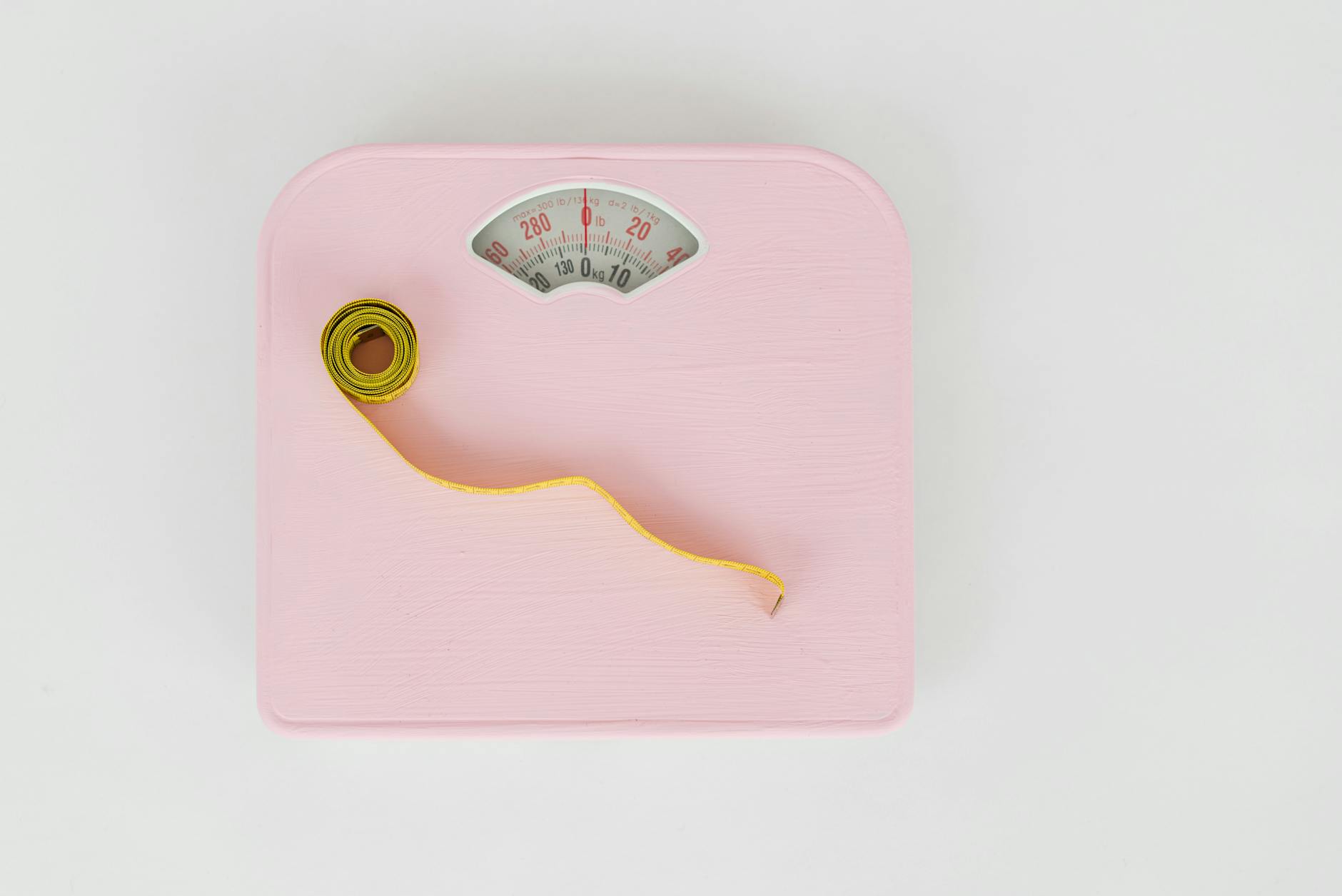
- Obsession with weight and body shape: Frequent weighing, extreme concern with body size.
- Changes in eating habits: Sudden rejection of certain foods, adopting extreme diets, inconsistency in meal patterns with either too much or too little intake.
- Physical changes: Noticeable fluctuations in weight, menstrual irregularities, stomach cramps, other non-specific gastrointestinal complaints (constipation, acid reflux, etc.), and difficulties concentrating.
- Emotional and social withdrawal: Changes in mood or behaviour, avoidant behaviour in social settings that involve food.
Impact on a Young Person
An eating disorder during the teenage years can disrupt physical development and hinder educational and social development. Physically, these disorders can affect almost every organ system in the body, leading to potentially irreversible damage.
Socially, eating disorders can lead to isolation as one might withdraw from friends or family, particularly during meals or when expected to engage in social eating. Emotional impacts include increased anxiety, depression, and low self-esteem.
Dealing with Suspected Eating Disorders
Talking to Someone
If you suspect that you might be developing an eating disorder, the first and perhaps the hardest step is to talk about it. Speak with someone you trust. This could be a parent, friend, teacher, or school counsellor. The goal is to express your fears and feelings in a safe and supportive environment.
Seek Professional Help
Professional guidance is crucial. A healthcare provider can offer a diagnosis and create an appropriate treatment plan. Treatment may include therapy, and nutritional education, and, in some cases, medication.
Educational Support
Learning about eating disorders can demystify symptoms and reduce self-blame. Understanding the influence of societal pressures and the importance of diverse body types can foster a healthier self-image and eating habits.
Developing Healthy Habits
Focusing on health rather than weight is essential. Engage in physical activities that you enjoy, not those that are meant solely for calorie burning.
Coping Strategies
Maintaining a journal can help you understand your relationship with food. Mindfulness practices and meditation can also reduce anxiety around eating.
Support Systems
Lean on support groups or online communities who understand what you're going through. Connecting with others facing similar challenges can provide encouragement and insights into dealing with the disorder constructively.
Conclusion
Addressing an eating disorder is a courageous step. Awareness and education about these disorders can arm you with the tools to start recovery. Early intervention offers the best chance for a successful recovery, so it's important to act as soon as signs become noticeable. By acknowledging the problem, seeking help, and adopting healthier eating patterns, recovery is possible and sustainable.
How are you feeling?
It is really important that when we need help, we feel able to ask for it. This could be speaking to a parent, a close friend, a teacher or someone else you trust. Sometimes it can be really hard to share our feelings with other people but if we are feeling low or don't know where to turn, sharing with others is really important. Teachers will always take you seriously and listen to your problems in confidence if you approach them for help. Likewise, parents, siblings or friends will help you if you reach out to them.
If you feel like you can't speak to anyone you know, there are people and organisations that can help support you:
- Childline - Call them on 0800 1111 any time of the day or night, every day of the week
- NSPCC - Call them on 0808 800 5000 between 10am and 4pm Monday to Friday or email them on help@NSPCC.org.uk
- The Samaritans – Call them on 116 123 any time of the day or night, every day of the week
- SANE – Call 0300 304 7000 for support (4:30pm - 10:30pm every day)
- Mind – Call 0300 123 3393 (9:00am - 6:00pm Monday to Friday)
*Sometimes we will use real life examples in our articles to aid understanding. When we do, names and ages will be changed.
