

















Let's get started...
Understanding the Causes of Eating Disorders
Eating disorders are complex mental health conditions that affect millions of people around the world, including many teenagers in the UK. Understanding what causes these disorders is critical because it helps us find better ways to deal with them. Generally, eating disorders involve serious disturbances in eating behaviours like extreme reductions in food intake or severe overeating as well as feelings of distress or extreme concern about body weight or shape.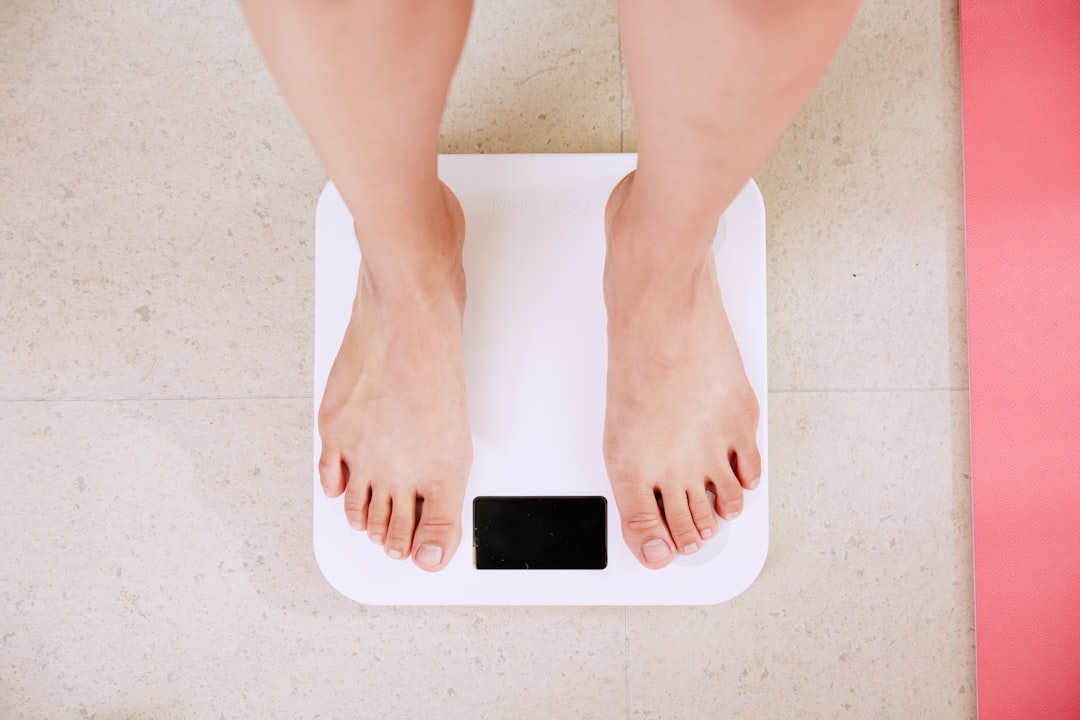
Biological Factors
One of the key factors believed to contribute to the development of eating disorders is biology. Genetics play a significant role; those with a family history of eating disorders are at a higher risk of developing these conditions themselves. Studies suggest that certain genes can make individuals more susceptible to eating disorders by affecting traits such as impulsivity and obsessionality, which are often seen in those suffering from these conditions. Hormonal imbalances, particularly those involving the neurotransmitters serotonin and dopamine, also influence eating behaviours. Neurotransmitters are chemicals that pass messages between nerve cells in the brain, and imbalances can affect mood and impulse control, potentially leading to disordered eating behaviours.Psychological Factors
Personality Traits: Certain personality traits are commonly found in people with eating disorders. For instance, a tendency towards perfectionism, sensitivity to criticism, and issues with control can make someone more prone to developing these conditions. High levels of anxiety and an inability to cope with stress also play a critical role. Emotional Health: Individuals struggling with depression, anxiety, or low self-esteem may use food and the control of food as a way to cope with negative emotions, leading to disorders like anorexia, bulimia, or binge-eating disorder.Social and Environmental Factors
The environment you grow up in can have a profound impact on your self-image and eating behaviours. Cultural pressures emphasising thinness, including media portrayal of beauty standards, can trigger eating disorders, especially among teenagers who are particularly vulnerable to such influences. Peer pressure also contributes significantly. Being teased or bullied about weight or body shape can lead to negative body image and low self-esteem, which are often precursors to eating disorders. Family attitudes towards food and body weight can also play a role. High expectations and critical comments about body sizes can increase the risk of a child developing an eating disorder.The Impact of Eating Disorders on Teenagers
Eating disorders can severely disrupt daily life for teenagers. They can affect various aspects of health, leading to serious conditions such as heart and kidney problems, or even result in death. These disorders can also isolate teenagers from their friends and family, as they might withdraw socially or feel misunderstood by people around them. Moreover, eating disorders often come with an overwhelming feeling of shame or guilt about food, which can perpetuate the cycle of abnormal eating behaviours. The secretive nature of eating disorders like hiding food or lying about eating can further alienate teenagers from those who might otherwise offer support.Strategies for Dealing with Eating Disorders
Seeking Professional Help: If you suspect you or someone you know might be developing an eating disorder, it is crucial to seek help from professionals who specialise in eating disorders. This could include therapists, counsellors, or medical doctors trained in dealing with these complex disorders. Education: Understanding the risks and realities of eating disorders can demystify misconceptions and reduce stigma, making it easier to seek help. Education about healthy eating and the importance of nutrient balance can also provide a solid foundation for combatting disordered eating patterns. Peer Support: Engaging with peer support groups where experiences and feelings can be shared in a safe and supportive environment can be enormously beneficial. These groups provide understanding and acceptance from others who are facing similar challenges. Family Therapy: Since family dynamics can sometimes contribute to the development of eating disorders, family therapy can be an effective treatment. It helps the entire family understand the disorder and learn strategies to support their loved one. Developing Healthy Coping Strategies: Learning and practicing healthy emotional and stress management techniques can reduce reliance on disordered eating behaviours as a way to cope with negative feelings. Understanding the causes of eating disorders is the first step towards effectively addressing and eventually overcoming them. By recognising the signs early and applying the correct strategies, recovery is not just possible, but probable.How are you feeling?
It is really important that when we need help, we feel able to ask for it. This could be speaking to a parent, a close friend, a teacher or someone else you trust. Sometimes it can be really hard to share our feelings with other people but if we are feeling low or don't know where to turn, sharing with others is really important. Teachers will always take you seriously and listen to your problems in confidence if you approach them for help. Likewise, parents, siblings or friends will help you if you reach out to them.
If you feel like you can't speak to anyone you know, there are people and organisations that can help support you:
- Childline - Call them on 0800 1111 any time of the day or night, every day of the week
- NSPCC - Call them on 0808 800 5000 between 10am and 4pm Monday to Friday or email them on help@NSPCC.org.uk
- The Samaritans – Call them on 116 123 any time of the day or night, every day of the week
- SANE – Call 0300 304 7000 for support (4:30pm - 10:30pm every day)
- Mind – Call 0300 123 3393 (9:00am - 6:00pm Monday to Friday)
*Sometimes we will use real life examples in our articles to aid understanding. When we do, names and ages will be changed.
