













Let's get started...
Eating disorders are serious mental health conditions that affect a person's relationship with food and body image. They can lead to severe physical and emotional consequences if not addressed. Common types of eating disorders include anorexia nervosa, bulimia nervosa, and binge eating disorder. These conditions often stem from a combination of genetic, psychological, and environmental factors. For teenagers, navigating issues around body image, peer pressure, and self-esteem can make them particularly vulnerable to developing eating disorders. Understanding the dangers and learning how to address these issues is vital for protecting your health and well-being.The Real-Life Impact of Eating Disorders on Young People
Eating disorders can profoundly affect both physical and mental health. Physically, they can lead to complications like malnutrition, heart problems, or weakened bones. Mentally, they are often accompanied by feelings of anxiety, depression, and isolation. These effects can disrupt your school life, relationships, and personal goals. Teenagers struggling with eating disorders often feel a loss of control, which can lead to secrecy or denial about their behaviours. This makes it even more important to address these issues early and seek support from trusted adults or professionals.Are Eating Disorders Dangerous?
Yes, eating disorders are dangerous. They can have life-threatening consequences if left untreated. Here are some of the risks associated with common eating disorders: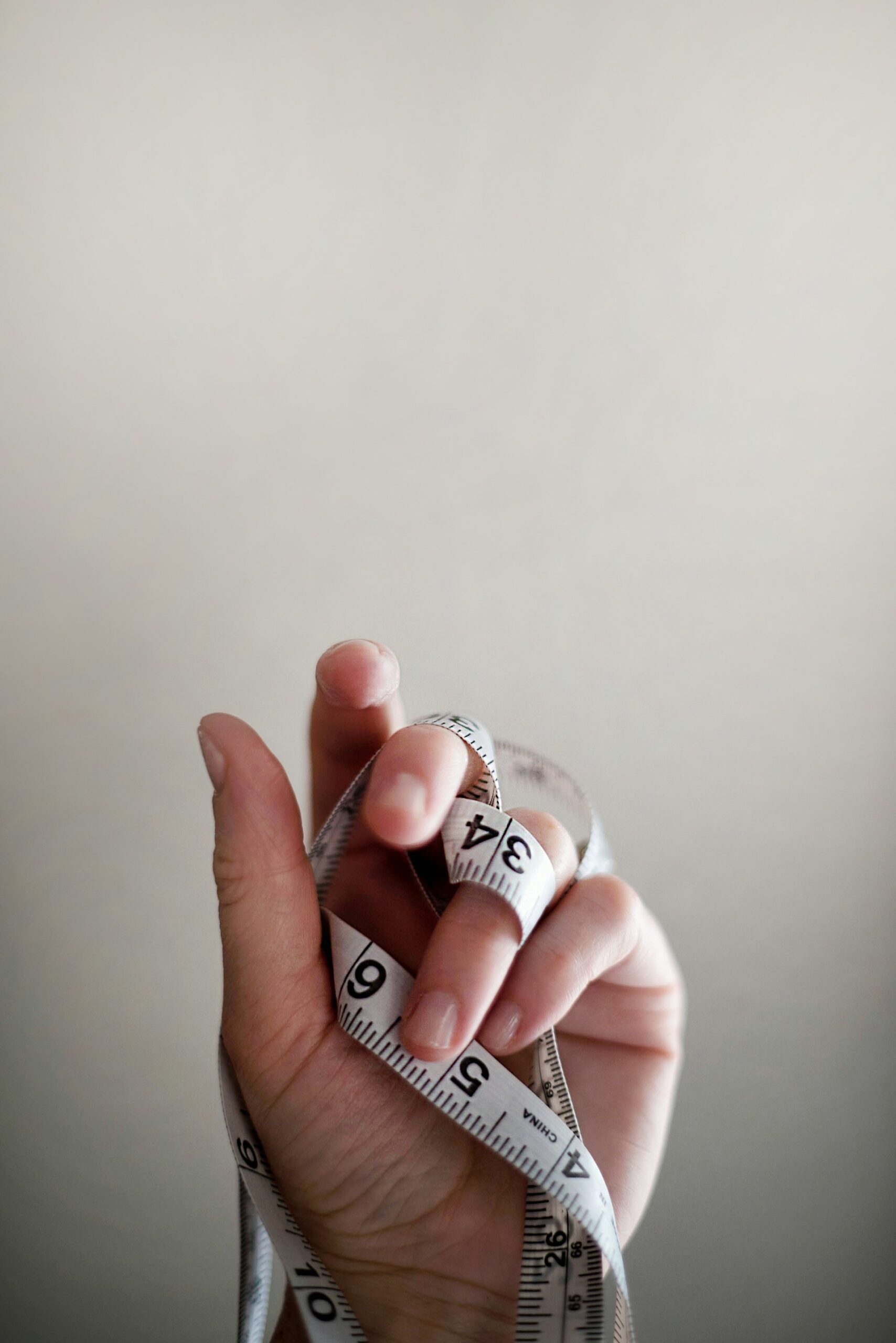
- Anorexia Nervosa: This disorder involves extreme calorie restriction, leading to severe weight loss. It can cause organ failure, heart problems, and in extreme cases, death.
- Bulimia Nervosa: This involves cycles of binge eating followed by purging (e.g., vomiting or over-exercising). It can damage the digestive system, cause dehydration, and lead to heart irregularities.
- Binge Eating Disorder: Characterised by consuming large amounts of food in a short time without purging, it can lead to obesity, diabetes, and heart disease.
Signs of an Eating Disorder
Recognising the signs of an eating disorder in yourself or someone else is the first step toward getting help. Common signs include:- Skipping meals or making excuses not to eat
- Fixating on weight, calories, or dieting
- Rapid weight loss or gain
- Excessive exercise
- Withdrawing from social activities
- Frequent trips to the bathroom after eating
- Changes in mood, such as irritability or depression
Practical Strategies for Dealing With Eating Disorders
If you or someone you know is struggling with an eating disorder, here are steps you can take to address it:1. Talk to Someone You Trust
Reach out to a parent, teacher, or friend about your concerns. Sharing your feelings can be a relief and is an essential first step toward getting help.2. Seek Professional Help
Eating disorders are complex and often require professional treatment. Therapists, dietitians, and doctors can work together to create a recovery plan tailored to your needs.3. Educate Yourself
Learn more about eating disorders to understand what you're experiencing. Knowledge can help you recognise harmful behaviours and motivate you to make positive changes.4. Avoid Triggers
Identify situations or activities that worsen your feelings about food or body image. This might include unfollowing social media accounts that promote unrealistic beauty standards or avoiding conversations about dieting.5. Build a Support Network
Surround yourself with people who support your recovery and make you feel valued. Friends, family, or support groups can provide encouragement and help you stay on track.6. Practice Self-Compassion
Be kind to yourself. Recovery takes time, and setbacks are normal. Focus on progress rather than perfection, and celebrate small victories along the way.7. Develop a Healthy Relationship With Food
Work with a dietitian or counsellor to create a balanced eating plan. This can help you approach food as nourishment rather than something to fear or control.8. Focus on Non-Physical Qualities
Shift your focus from appearance to other aspects of yourself, such as your talents, personality, or achievements. This can help you build self-esteem and reduce the pressure to meet unrealistic standards.9. Stay Active, but in Moderation
Exercise can be beneficial for mental health, but overdoing it can harm your body. Find physical activities you enjoy and focus on how they make you feel rather than how they affect your weight.10. Be Patient
Recovery is a journey, not a quick fix. Give yourself time to heal and don't hesitate to reach out for help when you need it. Remember, you're not alone.Building a Healthier Future
Overcoming an eating disorder is challenging, but it's possible with the right support and strategies. Recovery involves not only restoring physical health but also rebuilding self-esteem and emotional well-being. By addressing these issues early and seeking help, you can create a healthier, happier future for yourself.Final Thoughts
Eating disorders are dangerous and should never be ignored, but with awareness and support, recovery is achievable. If you or someone you know is struggling, take the first step by reaching out for help. Remember, asking for support is a sign of strength, not weakness. By understanding eating disorders and taking action, you can make a positive difference in your life or the life of someone you care about.How are you feeling?
It is really important that when we need help, we feel able to ask for it. This could be speaking to a parent, a close friend, a teacher or someone else you trust. Sometimes it can be really hard to share our feelings with other people but if we are feeling low or don't know where to turn, sharing with others is really important. Teachers will always take you seriously and listen to your problems in confidence if you approach them for help. Likewise, parents, siblings or friends will help you if you reach out to them.
If you feel like you can't speak to anyone you know, there are people and organisations that can help support you:
- Childline - Call them on 0800 1111 any time of the day or night, every day of the week
- NSPCC - Call them on 0808 800 5000 between 10am and 4pm Monday to Friday or email them on help@NSPCC.org.uk
- The Samaritans – Call them on 116 123 any time of the day or night, every day of the week
- SANE – Call 0300 304 7000 for support (4:30pm - 10:30pm every day)
- Mind – Call 0300 123 3393 (9:00am - 6:00pm Monday to Friday)
*Sometimes we will use real life examples in our articles to aid understanding. When we do, names and ages will be changed.