













Let's get started...
Eating disorders are a serious but often misunderstood topic, especially among teenagers. They affect how a person thinks and feels about food, their body, and their self-worth. If you've ever been curious about eating disorders but didn't know where to start, this guide will answer your questions and provide practical strategies for dealing with this important issue.1. What Are Eating Disorders?
Eating disorders are mental health conditions that involve unhealthy relationships with food, eating, and body image. They can include behaviours like eating too little, eating too much, or obsessing over weight and shape. Common types of eating disorders include anorexia nervosa, bulimia nervosa, and binge eating disorder.2. What Causes Eating Disorders?
The causes of eating disorders are complex and can vary from person to person. Factors include: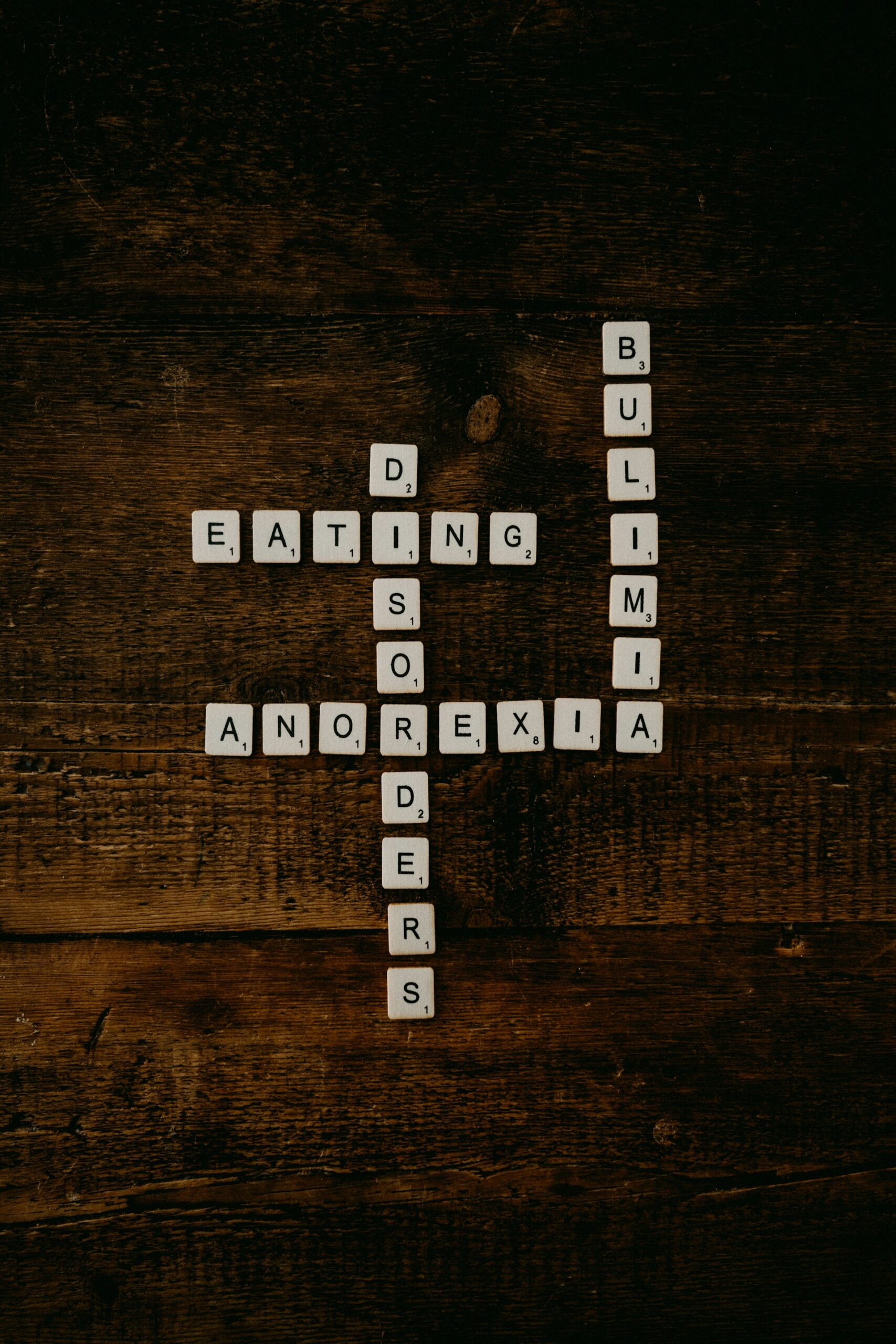
- Genetics: A family history of eating disorders or mental health issues can increase risk.
- Societal pressures: Unrealistic beauty standards and social media can contribute to poor body image.
- Emotional triggers: Stress, trauma, or low self-esteem can lead to unhealthy eating behaviours.
- Biological factors: Imbalances in brain chemicals may play a role.
3. How Common Are Eating Disorders?
Eating disorders are more common than many people think. In the UK, an estimated 1.25 million people are affected by an eating disorder. Teenagers are particularly vulnerable, as adolescence is a time of rapid physical, emotional, and social change.4. What Are the Signs of an Eating Disorder?
Recognising the signs of an eating disorder is crucial for getting help early. Look out for:- Preoccupation with weight, calories, or dieting.
- Skipping meals or eating very little.
- Frequent trips to the bathroom after eating (a potential sign of purging).
- Excessive exercise or obsession with fitness.
- Changes in mood, such as irritability or withdrawal.
5. Are Eating Disorders About Food?
While eating disorders involve food and eating, they are not just about food. They are often a way of coping with deeper emotional struggles, such as feeling out of control, dealing with stress, or managing self-esteem issues. Addressing the underlying emotional challenges is a key part of recovery.6. What Is It Like to Have an Eating Disorder?
Having an eating disorder can feel isolating and overwhelming. Amy, a 16-year-old from Leeds, shared her experience: "I felt like I wasn't good enough, so I started controlling my food. It made me feel in charge for a while, but it also made me lonely and exhausted. When I finally opened up to my mum, it was the first step toward feeling better." Amy's story shows how eating disorders can take over your life but also how seeking support can lead to recovery.7. How Do Eating Disorders Affect Your Health?
Eating disorders can have serious consequences for your physical and mental health, including:- Physical health: Malnutrition, weakened bones, heart problems, and digestive issues.
- Mental health: Increased risk of anxiety, depression, and suicidal thoughts.
- Social impact: Strained relationships with friends and family.
8. How Can You Support Someone with an Eating Disorder?
Supporting a friend or family member with an eating disorder can be challenging, but your care and understanding can make a big difference. Here's how to help:- Listen: Let them share their feelings without judgement.
- Encourage professional help: Gently suggest they speak to a doctor or therapist.
- Avoid pressure: Don't force them to eat or comment on their appearance.
- Be patient: Recovery takes time, and relapses are part of the process.
9. Where Can You Get Help for an Eating Disorder?
If you or someone you know is struggling with an eating disorder, there are resources available to help:- Beat Eating Disorders: A UK charity offering support, advice, and a helpline.
- NHS: Visit your GP or check online resources for treatment options.
- School support: Talk to a trusted teacher or school counsellor.
- Family and friends: Share your feelings with someone you trust.
10. Can You Recover from an Eating Disorder?
Yes, recovery from an eating disorder is possible, though it can take time and effort. Recovery often involves therapy, nutritional guidance, and support from loved ones. It's important to celebrate small victories along the way and remember that setbacks don't mean failure. With the right support, you can regain control of your life and health.Conclusion
Eating disorders are complex conditions, but understanding them is the first step toward breaking the stigma and seeking help. Whether you're experiencing an eating disorder yourself or supporting someone who is, know that help is available, and recovery is possible. Talking about eating disorders openly and compassionately can make a big difference in creating a world where everyone feels supported and understood.How are you feeling?
It is really important that when we need help, we feel able to ask for it. This could be speaking to a parent, a close friend, a teacher or someone else you trust. Sometimes it can be really hard to share our feelings with other people but if we are feeling low or don't know where to turn, sharing with others is really important. Teachers will always take you seriously and listen to your problems in confidence if you approach them for help. Likewise, parents, siblings or friends will help you if you reach out to them.
If you feel like you can't speak to anyone you know, there are people and organisations that can help support you:
- Childline - Call them on 0800 1111 any time of the day or night, every day of the week
- NSPCC - Call them on 0808 800 5000 between 10am and 4pm Monday to Friday or email them on help@NSPCC.org.uk
- The Samaritans – Call them on 116 123 any time of the day or night, every day of the week
- SANE – Call 0300 304 7000 for support (4:30pm - 10:30pm every day)
- Mind – Call 0300 123 3393 (9:00am - 6:00pm Monday to Friday)
*Sometimes we will use real life examples in our articles to aid understanding. When we do, names and ages will be changed.