













Let's get started...
Understanding Stress and it's Signs
Stress is something that everyone experiences at some point, and it's particularly common among teenagers. Whether it's due to schoolwork, friendships, family life, or the pressure of social media, stress can manifest in numerous ways. Recognising the signs of stress is crucial in managing it effectively, especially in today's fast-paced world where the demands on young individuals seem to be constantly increasing.
What is Stress?
Stress is the body's response to any demand or challenge. When faced with a situation, the body reacts physically, mentally, and emotionally. While stress can be motivating and help us achieve deadlines or perform well in challenging scenarios, too much stress can be overwhelming and harmful to health. It's this negative stress, or "distress," which we need to be wary of as it can lead to serious issues including mental health disorders like anxiety and depression.
Signs of Stress in Teenagers
Stress can present itself in many different ways, and recognising the signs early can help in managing or reducing its impacts. Here are some common symptoms of stress that you might experience:
Physical Signs
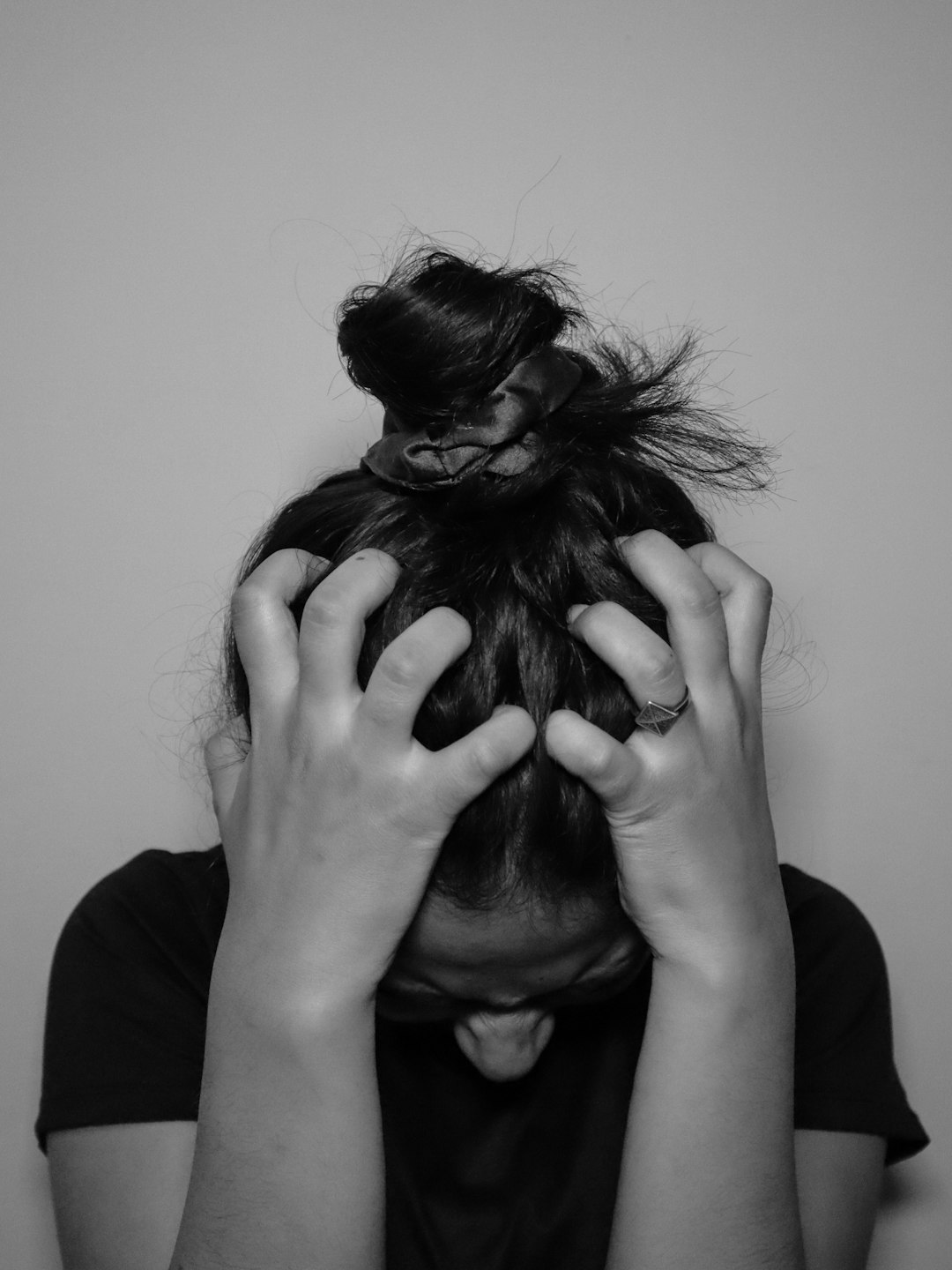
- Headaches and muscle pains: Frequent headaches or muscle soreness without physical exertion could be signs of stress.
- Sleep problems: Difficulty in falling asleep, staying asleep, or experiencing restless nights frequently could indicate stress.
- Changes in eating habits: Overeating or not eating enough can both be reactions to stress.
- Fatigue: Feeling tired all the time despite having enough sleep or a sudden drop in energy levels can be caused by high stress levels.
Emotional Signs
- Mood swings: If you find yourself having quick changes in mood or feeling unusually irritable or sensitive, it could be a sign of stress.
- Feeling overwhelmed: A sense that you can't cope with what's on your plate can be a clear indicator of stress.
- Anxiety or depression: Feeling consistently sad, hopeless, anxious, or withdrawn can be symptoms of stress impacting mental health.
Behavioural Signs
- Withdrawal: Pulling away from friends, family, or activities you once enjoyed can be a sign of stress.
- Declining grades: If you notice a sudden drop in your school performance, stress could be a factor.
- Using substances: An increase in the use of substances like alcohol, nicotine, or drugs as a means to cope can be indicative of stress.
- Nervous habits: Exhibiting nervous behaviours such as nail-biting, fidgeting, or pacing can signal stress.
Real-Life Impact of Stress on Young People
For teenagers, stress can particularly affect everyday functioning. It can impede your ability to concentrate on studies, degrade your interactions with others, and lessen your overall quality of life. Chronic stress can lead to serious health concerns like high blood pressure, heart disease, and obesity, as well as mental health issues, even at a young age.
Practical Strategies to Manage Stress
Knowing how to handle stress is a vital skill that will serve you well throughout life. Here are some useful strategies:
Develop a Routine
Establishing a consistent daily routine can help manage stress by creating a sense of normalcy and predictability.
Stay Active
Regular physical activity is a powerful stress reliever. Whether it's a sport, walking, dancing, or yoga, find an activity that you enjoy.
Connect with Others
Talk about your feelings with friends, family, or a trusted adult. Connection can provide support and reduce the feeling of isolation.
practise Mindfulness
Techniques such as meditation, breathing exercises, and other mindfulness practices can help calm your mind and reduce stress.
Maintain a Balanced Diet
Eating a healthy diet can impact how you feel physically and mentally. Avoiding excessive caffeine and sugar can also help stabilise your mood and energy levels.
Get Adequate Sleep
Ensure you get between 8-10 hours of sleep a night. A good night's sleep can significantly improve your mood and energy levels.
Seek Professional Help
If stress becomes overwhelming or persistent, it might be helpful to talk to a mental health professional who can provide guidance tailored to your needs.
Stress is a common aspect of life, but it doesn't have to dominate your existence. By learning to recognise the signs of stress and implementing effective coping strategies, you can reduce its impact and lead a healthier, more balanced life.
How are you feeling?
It is really important that when we need help, we feel able to ask for it. This could be speaking to a parent, a close friend, a teacher or someone else you trust. Sometimes it can be really hard to share our feelings with other people but if we are feeling low or don't know where to turn, sharing with others is really important. Teachers will always take you seriously and listen to your problems in confidence if you approach them for help. Likewise, parents, siblings or friends will help you if you reach out to them.
If you feel like you can't speak to anyone you know, there are people and organisations that can help support you:
- Childline - Call them on 0800 1111 any time of the day or night, every day of the week
- NSPCC - Call them on 0808 800 5000 between 10am and 4pm Monday to Friday or email them on help@NSPCC.org.uk
- The Samaritans – Call them on 116 123 any time of the day or night, every day of the week
- SANE – Call 0300 304 7000 for support (4:30pm - 10:30pm every day)
- Mind – Call 0300 123 3393 (9:00am - 6:00pm Monday to Friday)
*Sometimes we will use real life examples in our articles to aid understanding. When we do, names and ages will be changed.