

















Let's get started...
Understanding Anxiety and the Role of Relaxation Techniques
Anxiety is a common issue among teenagers globally, characterised by feelings of nervousness, worry, and fear. These feelings can be triggered by several factors including school pressures, social dynamics, future uncertainties, and personal experiences. In the midst of these challenges, relaxation techniques have emerged as a potential ally in managing anxiety.
Before discussing how relaxation techniques can help, it is important to understand what anxiety is. Anxiety, especially in teenagers, often manifests as an excessive concern about upcoming events or repetitive thoughts about past events, even when there is no immediate threat. This can affect daily functions and cause significant distress.
How Relaxation Techniques Can Impact Anxiety
Relaxation techniques encompass a variety of practices designed to reduce stress and induce a state of calm in both the body and mind. These techniques are grounded in the practise of switching the body's response from its sympathetic nervous system, which controls the fight-or-flight response, to the parasympathetic nervous system, which controls rest and digestion. This shift can reduce physical symptoms of anxiety such as elevated heart rate, rapid breathing, and tense muscles.
Several scientific studies support the efficacy of relaxation techniques. For instance, research published in the Health Psychology Review found that practices like deep breathing, yoga, and meditation can significantly reduce symptoms of anxiety. While these practices may not eliminate anxiety completely, they can certainly help manage its intensity and frequency.
Real-Life Impact on Young People
The life of a teenager is full of transitions and changes physical, emotional, and social. Anxiety can significantly impact a teenager's life by interfering with their academic performance, social interactions, and overall well-being. For example, an anxious teenager may avoid participating in class discussions or social events, which can lead to isolation and decreased self-confidence.
Integrating relaxation techniques into daily routines provides a practical resource for coping with anxiety. For instance, studies suggest that students who engage in mindfulness meditations prior to exams perform better than those who do not practise these techniques. These tools not only help in reducing anxiety but also improve focus, concentration, and decision-making abilities.
Practical Strategies for Implementing Relaxation Techniques
Given the benefits, here are some practical ways to incorporate relaxation techniques into a teenager's daily life:
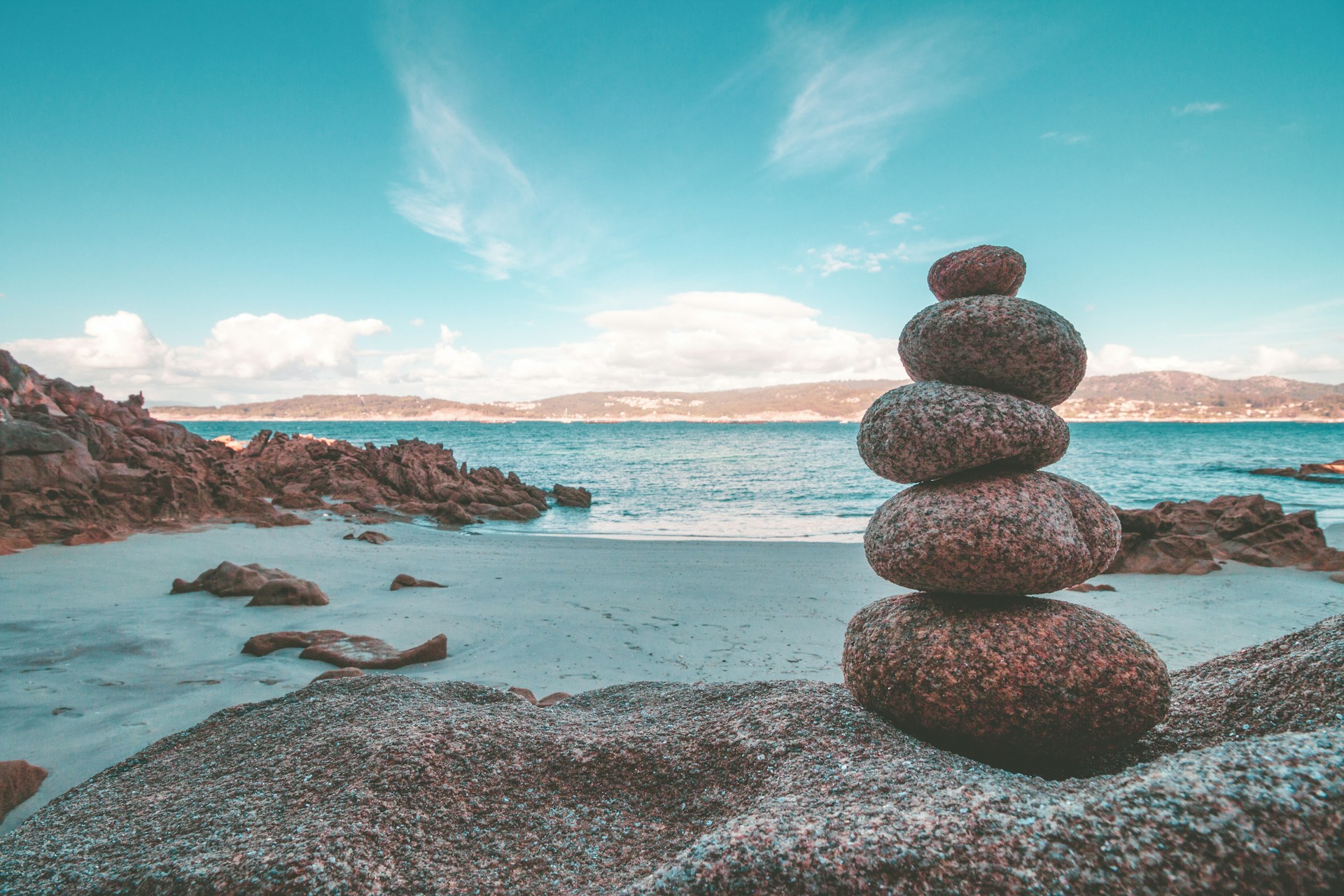
- Deep Breathing Exercises: Deep breathing focuses on full, cleansing breaths and is often the foundation of other relaxation practices. Techniques such as the 4-7-8 method, where you inhale for 4 seconds, hold the breath for 7 seconds, and exhale for 8 seconds, can be particularly effective.
- Mindfulness Meditation: This form of meditation involves paying attention to the present moment without judgment. Using apps like Headspace or Calm can guide beginners through the process.
- Progressive Muscle Relaxation (PMR): PMR involves tensing each muscle group in the body tightly, but not to the point of strain, and then slowly letting the tension release. This practise helps highlight the difference between tension and relaxation.
- Yoga and Tai Chi: Both practices combine fluid movements with controlled breathing and mental focus. Many schools and community centres offer classes specifically for teenagers, making them accessible and tailored to young people's needs.
- Guided Imagery: This technique involves visualising a calm, peaceful setting which can help distract from the anxieties of the real world. Many guided imagery sessions are available for free online and can be a great tool for relaxation before bed or during high-stress periods.
While these strategies are beneficial, it's important for teenagers to also consider professional help if anxiety becomes overwhelming or persistent. Consulting a therapist or counsellor can be a substantial step towards managing anxiety effectively.
Conclusion
In conclusion, relaxation techniques are a valuable tool for managing anxiety in teenagers. These practices can significantly mitigate the physical and psychological symptoms of anxiety, leading to improved overall well-being. Anxiety, though prevalent during teenage years, can be effectively managed with the right strategies and support systems in place.
Every teenager deserves to enjoy a fulfilling life, free from the debilitating effects of constant worry and stress. By adopting simple relaxation techniques and possibly seeking professional advice when necessary, you can take control of your mental health and lead a more balanced and peaceful life.
How are you feeling?
It is really important that when we need help, we feel able to ask for it. This could be speaking to a parent, a close friend, a teacher or someone else you trust. Sometimes it can be really hard to share our feelings with other people but if we are feeling low or don't know where to turn, sharing with others is really important. Teachers will always take you seriously and listen to your problems in confidence if you approach them for help. Likewise, parents, siblings or friends will help you if you reach out to them.
If you feel like you can't speak to anyone you know, there are people and organisations that can help support you:
- Childline - Call them on 0800 1111 any time of the day or night, every day of the week
- NSPCC - Call them on 0808 800 5000 between 10am and 4pm Monday to Friday or email them on help@NSPCC.org.uk
- The Samaritans – Call them on 116 123 any time of the day or night, every day of the week
- SANE – Call 0300 304 7000 for support (4:30pm - 10:30pm every day)
- Mind – Call 0300 123 3393 (9:00am - 6:00pm Monday to Friday)
*Sometimes we will use real life examples in our articles to aid understanding. When we do, names and ages will be changed.
