

















Let's get started...
Understanding Relaxation Through Yoga and Tai Chi
Ever find yourself needing a pause button on the daily grind of school, social media, and everything else? Imagine being able to hit 'reset' just by breathing and moving a bit. That's pretty much what yoga and tai chi are about. Both are ancient practices that have moved beyond their cultural origins to become global phenomena. But are they truly forms of relaxation, especially from the perspective of a teenager like you? Let's dive in.
The Roots of Relaxation: Yoga and Tai Chi Explored
Before delving into how these practices can help manage stress and boost relaxation, let's take a quick look at their backgrounds. Yoga originated in India over 5,000 years ago with a broad focus on spiritual growth and physical health. Today, particularly in the West, yoga is often associated with improving flexibility, strength, and stress reduction.
Tai chi, on the other hand, started as a martial art in ancient China. It's sometimes called "meditation in motion," highlighting It's development into a practise focusing on slow movements and deep breaths to nurture the body's chi (or qi) roughly translated as "life energy."
The Teen Connection: How Yoga and Tai Chi Matter to You
It might seem like those ancient practices have little to do with modern teenage life, but you'd be surprised. Here's what they can do:
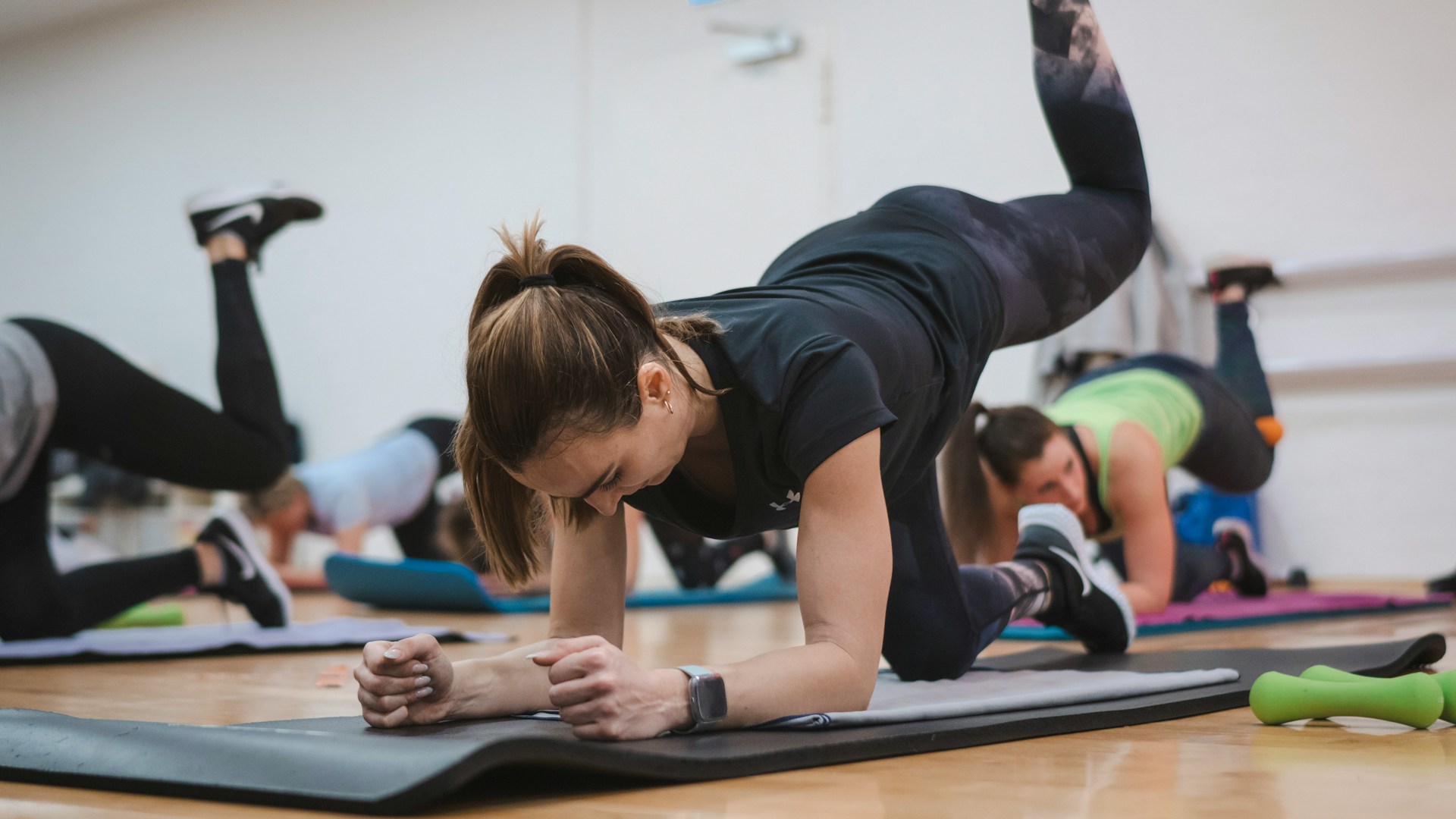
- Stress Reduction: Both yoga and tai chi involve forms of meditation and physical exercise, which can help alleviate stress. This might be particularly useful during exam periods or when you're dealing with social pressures.
- Improved Concentration: Regular practise of either can enhance your ability to focus. Think about it less time needed to cram for tests because you can concentrate better the first time around.
- Physical Benefits: Although they're low-impact, both practices are awesome for your overall fitness. They can improve balance, flexibility, and even cardiovascular health.
- Social Interaction: Joining a class can introduce you to new friends outside your usual circle, expanding your social horizons.
And, don't just take it from me. Research shows that these practices can be particularly effective for mental health challenges that are increasingly common in teenagers, such as anxiety and depression.
Is It Chill? Real Relaxation Unpacked
Now to address the big question: Are yoga and tai chi forms of relaxation? The answer isn't just a simple "yes" or "no." While both are founded on principles of movement paired with mindfulness, this combination is precisely what facilitates relaxation.
Through focus on the present moment and systematic breathing, your body's stress response can dial down, trading feelings of anxiety for a calm centeredness. For many young people, this is a welcomed counterbalance to the fast paced and often stressful nature of their lives.
Getting into the Flow: Practical Strategies for Starting with Yoga and Tai Chi
Want to give these a go? Here are some strategies to get you started:
- Choose the Right Style: Not all yoga is the same! From the slow-paced Hatha yoga to the more physically demanding Power yoga, there's a style to fit your pace and interest. Similarly, look into different schools of tai chi like Yang or Wu, depending on whether you want more focus on martial arts or health and meditation.
- Start Small: Don't feel pressured to go all out from the beginning. Start with short sessions even 10 minutes is okay and gradually increase as you feel more comfortable.
- Use Apps and Online Resources: Can't find a class nearby? There are plenty of apps and online tutorials to get you going. Just ensure you understand the basics to avoid any injury.
- Set Realistic Goals: Like any new activity, it takes time to see the benefits. Set small, achievable goals and be patient with yourself as you progress.
- Make It Social: Involve a friend or two. It can make going to classes more fun and keep you motivated.
Real Stories:
Ellie, a 16-year-old from Cardiff, tried yoga at her local community centre. It really helps me slow down after a hectic day or even gets me energised in the mornings, she says. I've noticed I'm not as stressed about exams and, overall, I feel more in tune with myself.
Tai chi isn't just for adults close to retirement. Tom, 15, from London, finds tai chi classes at his school as a great way to stay active. It's not as intense as football or running, he explains, but it makes me feel stronger, and more chilled out.
Wrap-Up: Off the Mat and Into Life
Whether you need a mental break, or you're looking for a gentle way to keep fit, yoga and tai chi could be worth a try. They offer not only a way to relax but a chance to develop a healthier connection with your mind and body. No matter how crazy life gets, knowing you have a way to decompress and rejuvenate is empowering for any young person.
How are you feeling?
It is really important that when we need help, we feel able to ask for it. This could be speaking to a parent, a close friend, a teacher or someone else you trust. Sometimes it can be really hard to share our feelings with other people but if we are feeling low or don't know where to turn, sharing with others is really important. Teachers will always take you seriously and listen to your problems in confidence if you approach them for help. Likewise, parents, siblings or friends will help you if you reach out to them.
If you feel like you can't speak to anyone you know, there are people and organisations that can help support you:
- Childline - Call them on 0800 1111 any time of the day or night, every day of the week
- NSPCC - Call them on 0808 800 5000 between 10am and 4pm Monday to Friday or email them on help@NSPCC.org.uk
- The Samaritans – Call them on 116 123 any time of the day or night, every day of the week
- SANE – Call 0300 304 7000 for support (4:30pm - 10:30pm every day)
- Mind – Call 0300 123 3393 (9:00am - 6:00pm Monday to Friday)
*Sometimes we will use real life examples in our articles to aid understanding. When we do, names and ages will be changed.
