

















Let's get started...
Body image is how you see, think, and feel about your body. It influences how you view yourself, interact with others, and make decisions about your health and lifestyle. For teenagers, this is a particularly important topic as your body is changing, and you're navigating new social pressures and media influences. Developing a healthy body image can help boost your confidence, improve mental health, and support overall wellbeing. Understanding why body image matters and learning strategies to maintain a positive mindset can make a big difference in your life.What Is Body Image?
Body image isn't just about how you look, it's about your perception of your body and how you feel about it. It includes: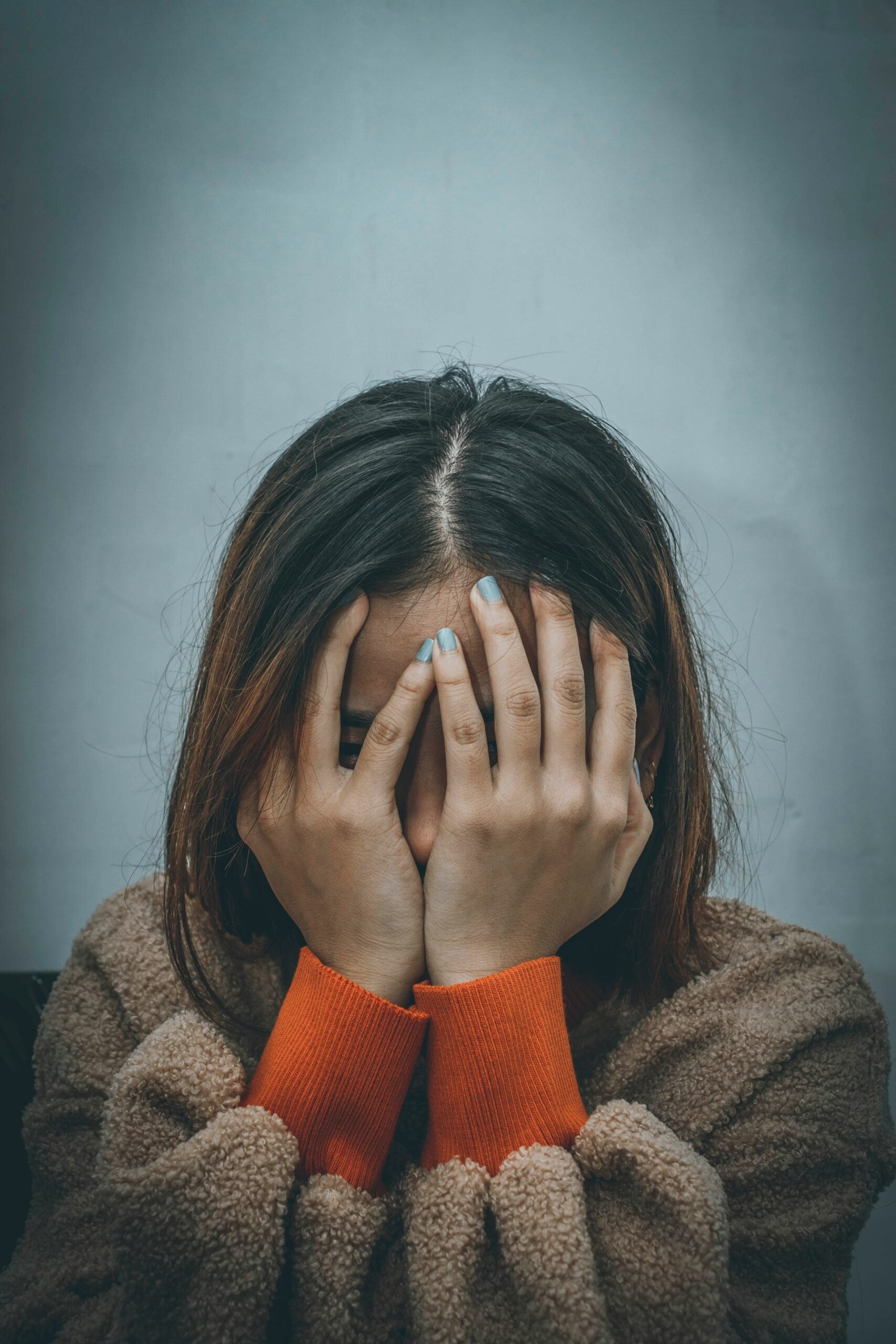
- Body perception: How you see your body, which may not always match reality.
- Thoughts: What you believe about your body's appearance, abilities, or size.
- Feelings: Your emotions related to your body, such as confidence, pride, or insecurity.
- Behaviours: The actions you take based on your body image, like how you dress or whether you participate in activities.
Why Is Body Image Important?
Body image plays a crucial role in your overall wellbeing. Here's why it matters:1. Self-Esteem
Your body image is closely tied to your self-esteem, which is how much you value and believe in yourself. A positive body image can boost your confidence and help you feel more capable in social, academic, and personal situations.2. Mental Health
A healthy body image supports good mental health. Feeling good about your body can reduce anxiety, depression, and stress, while a negative body image can contribute to these challenges.3. Physical Health
Your perception of your body can influence how you take care of it. A positive body image encourages healthy habits, like eating well and staying active, while a negative body image might lead to harmful behaviours, such as extreme dieting or avoiding exercise.4. Relationships
Body image affects how you interact with others. When you feel good about yourself, you're more likely to build strong, positive relationships. On the other hand, insecurity about your appearance can make you withdraw or avoid social situations.5. Resilience
Developing a positive body image helps you navigate societal pressures and media influences with confidence. It builds resilience, allowing you to focus on your strengths and values rather than external standards.The Real-Life Impact on Teenagers
As a teenager, body image can influence many areas of your life. Here's how it might show up:Social Media Pressure
Platforms like Instagram and TikTok often promote edited and filtered images that set unrealistic beauty standards. Comparing yourself to these images can make you feel like you're not good enough.Peer Influence
Comments from friends or classmates about appearances can affect how you see yourself. Even jokes or casual remarks can leave a lasting impression.School and Activities
Negative body image might make you hesitant to participate in sports, performances, or other activities where your appearance is visible. This can limit opportunities for personal growth and enjoyment.Risky Behaviours
Trying to meet societal standards can lead to unhealthy choices, such as restrictive diets, over-exercising, or using supplements to change your appearance.Mental and Emotional Wellbeing
Feeling dissatisfied with your body can contribute to stress, anxiety, and depression, making it harder to focus on school, friendships, and hobbies.Practical Strategies for Building a Positive Body Image
Improving your body image takes time, but there are practical steps you can take to feel better about yourself and build confidence:1. Focus on What Your Body Can Do
Instead of concentrating on how your body looks, think about its abilities. For example:- Your legs help you run, jump, and explore.
- Your arms allow you to create art, play instruments, or give hugs.
- Your brain helps you learn, solve problems, and express yourself.
2. Challenge Negative Thoughts
When you catch yourself thinking critically about your body, ask yourself:- "Is this thought based on fact or opinion?"
- "What would I say to a friend who felt this way?"
- "What's one thing I appreciate about my body?"
3. Limit Social Media Exposure
Take breaks from platforms that make you feel self-conscious. Follow accounts that promote body positivity and diversity, and unfollow ones that reinforce unrealistic standards.4. Practise Gratitude
Focus on the things you like about yourself, both inside and out. For example:- "I love my smile because it shows my happiness."
- "I appreciate my determination to improve in sports."
5. Surround Yourself with Positivity
Spend time with people who uplift and support you. Avoid those who make negative comments about appearances, whether it's about you, themselves, or others.6. Celebrate Diversity
Recognise that beauty comes in all shapes, sizes, and forms. Learn about cultures, body types, and abilities to broaden your understanding of what it means to be beautiful.7. Practise Self-Care
Take care of your body by eating nutritious foods, staying active in ways you enjoy, and getting enough sleep. When you treat your body with kindness, you're more likely to appreciate it.8. Talk About It
If you're struggling with body image, share your feelings with someone you trust, such as a parent, teacher, or counsellor. Talking about your concerns can help you feel supported and understood.When to Seek Professional Help
If negative body image is affecting your mental health or daily life, it's important to seek support. Signs you might need help include:- Feeling unhappy or anxious about your appearance most of the time.
- Avoiding social situations because of self-consciousness.
- Engaging in unhealthy behaviours, like extreme dieting or over-exercising.
Final Thoughts
Body image is an important part of your overall wellbeing, influencing your self-esteem, mental health, and relationships. By focusing on what makes you unique, practising self-care, and challenging societal standards, you can develop a positive mindset and feel more confident in your own skin. Remember, your worth isn't defined by how you look, it's about who you are as a person. If you're struggling, don't hesitate to reach out for help. Support is always available to guide you toward self-acceptance and positivity.How are you feeling?
It is really important that when we need help, we feel able to ask for it. This could be speaking to a parent, a close friend, a teacher or someone else you trust. Sometimes it can be really hard to share our feelings with other people but if we are feeling low or don't know where to turn, sharing with others is really important. Teachers will always take you seriously and listen to your problems in confidence if you approach them for help. Likewise, parents, siblings or friends will help you if you reach out to them.
If you feel like you can't speak to anyone you know, there are people and organisations that can help support you:
- Childline - Call them on 0800 1111 any time of the day or night, every day of the week
- NSPCC - Call them on 0808 800 5000 between 10am and 4pm Monday to Friday or email them on help@NSPCC.org.uk
- The Samaritans – Call them on 116 123 any time of the day or night, every day of the week
- SANE – Call 0300 304 7000 for support (4:30pm - 10:30pm every day)
- Mind – Call 0300 123 3393 (9:00am - 6:00pm Monday to Friday)
*Sometimes we will use real life examples in our articles to aid understanding. When we do, names and ages will be changed.
