

















Let's get started...
Body image refers to how you see, think, and feel about your body. For teenagers, it's influenced by many factors, including friends, media, and culture. One of the most significant influences, however, comes from parents. Parents play a crucial role in shaping how young people perceive their bodies, often without realising it. From comments about appearance to attitudes toward food and exercise, parental behaviours and beliefs can leave a lasting impact on body image, self-esteem, and mental health. Understanding this role and knowing how to navigate it can help create a healthier environment for young people to develop a positive body image.Why Do Parents Influence Body Image?
Parents are often the first role models in a young person's life. As a teenager, you're likely to pick up on their words, behaviours, and attitudes, even if it's unintentional. Here's how parents can influence body image:1. Behavioural Modelling
Teenagers often mirror their parents' behaviours, whether it's their approach to food, exercise, or how they talk about their own bodies. For example: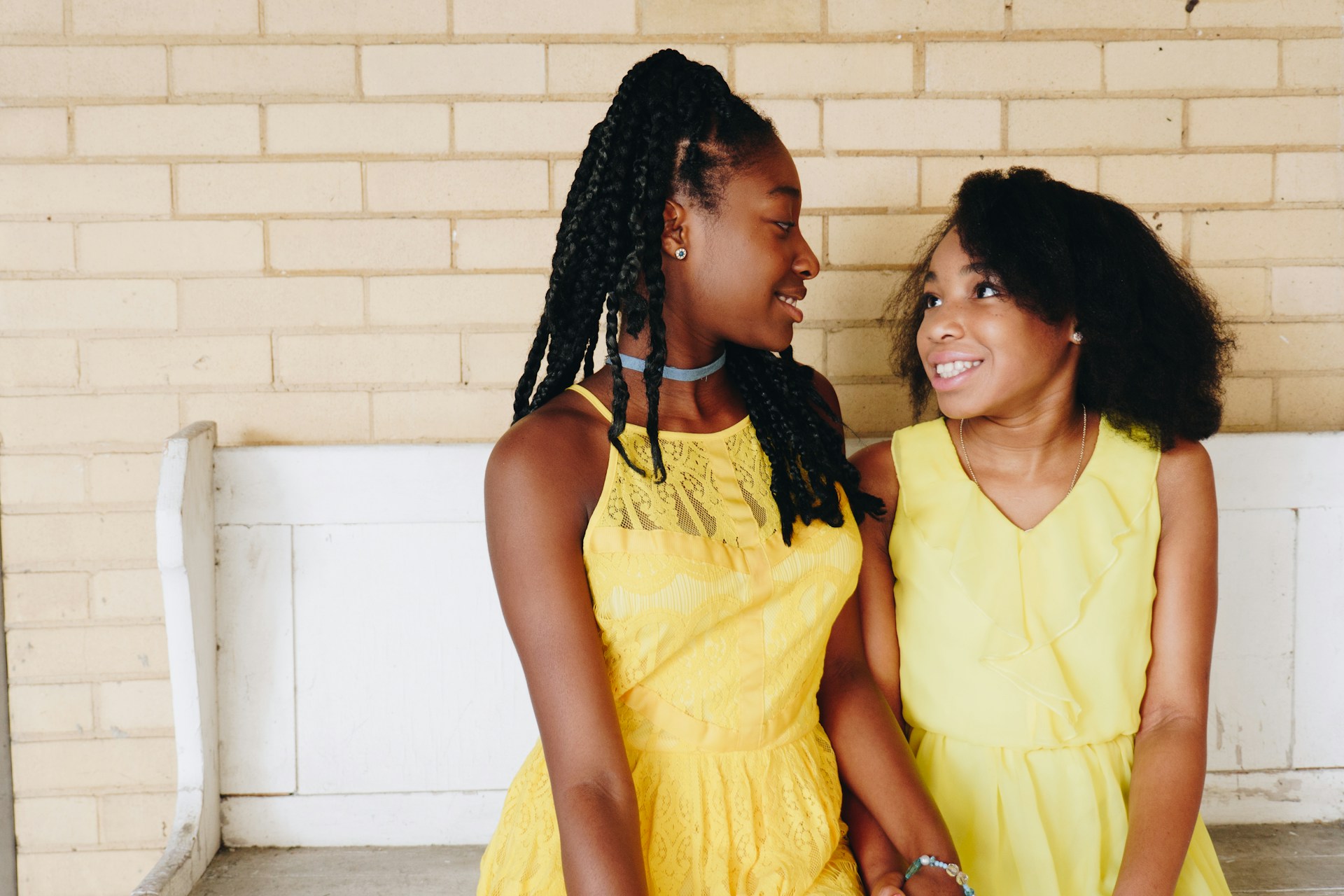
- A parent who exercises for health and enjoyment can encourage a balanced view of physical activity.
- A parent who constantly criticises their own appearance may unintentionally teach their child to do the same.
2. Verbal Comments
Comments about your appearance, weight, or eating habits, whether positive or negative, can shape how you see yourself. For example:- Compliments that focus only on looks might make you feel like your value is tied to your appearance.
- Negative remarks about weight or eating habits can lead to insecurities or unhealthy behaviours.
3. Cultural and Family Expectations
Family traditions and cultural values around food, body size, and beauty standards can also play a role. For instance:- A family that places importance on maintaining a certain weight might add pressure to conform to specific ideals.
- A family that celebrates diversity and self-acceptance can foster a healthier mindset.
The Real-Life Impact on Teenagers
Parental influence on body image can have a lasting effect on teenagers' mental health, self-esteem, and habits. Here's how it might show up in your life:1. Body Dissatisfaction
If parents frequently comment on weight or compare their child's appearance to others, it can lead to dissatisfaction with one's body.2. Unhealthy Habits
Teens may develop unhealthy eating or exercise habits to meet perceived parental expectations or avoid criticism.3. Low Self-Esteem
Constantly feeling judged or pressured to look a certain way can lower self-esteem, affecting confidence in other areas of life.4. Mental Health Challenges
Parental influence can contribute to anxiety, depression, or even eating disorders if body image issues are left unaddressed.5. Positive Outcomes
On the flip side, supportive and encouraging parents can help teens develop a strong sense of self-worth and a positive relationship with their bodies.Practical Strategies for Improving Body Image with Parental Support
While parents play a big role in shaping body image, teenagers can also take steps to improve their mindset and communicate their needs. Here are some strategies:1. Start Open Conversations
Talk to your parents about how their words or actions make you feel. For example:- "When you comment on my weight, it makes me feel self-conscious."
- "I'd appreciate it if we could focus on health rather than appearance."
2. Educate Them
Not all parents are aware of how their actions impact body image. Share information or resources to help them understand, such as articles or videos about body positivity and self-esteem.3. Set Boundaries
If certain topics make you uncomfortable, let your parents know. For example:- "I'd prefer if we didn't talk about my weight."
- "Can we avoid making comments about my appearance at the dinner table?"
4. Focus on Health, Not Looks
Encourage your family to emphasise overall health and wellbeing rather than appearance. This might include:- Cooking nutritious meals together.
- Trying fun physical activities as a family, like hiking or dancing.
- Celebrating achievements unrelated to looks, like academic success or acts of kindness.
5. Surround Yourself with Positivity
If your parents aren't supportive of body positivity, seek out other sources of encouragement, such as friends, teachers, or online communities that promote self-acceptance.6. Practise Self-Compassion
If you've absorbed negative beliefs about your body from your parents, practise replacing them with positive affirmations. For example:- "My body deserves respect and care."
- "I am more than my appearance."
7. Recognise Their Intentions
Most parents mean well, even if their actions sometimes hurt. Understanding their intentions can make it easier to start a constructive conversation.8. Seek Professional Help if Needed
If parental influence is significantly affecting your mental health or body image, consider talking to a school counsellor or therapist. They can help you navigate these challenges and build confidence.How Parents Can Support Positive Body Image
If your parents are open to making changes, here are ways they can help you develop a healthier body image:1. Model Positive Behaviours
Parents can lead by example by speaking kindly about their own bodies and avoiding self-criticism.2. Avoid Negative Comments
They should avoid making critical remarks about your appearance, weight, or eating habits.3. Encourage Open Communication
Parents can create a safe space for you to share your feelings and concerns without fear of judgment.4. Celebrate Achievements Beyond Looks
They should recognise your talents, efforts, and kindness instead of focusing solely on appearance.5. Promote Diversity
Parents can teach you to appreciate different body types, abilities, and cultures, helping you embrace your uniqueness.When to Seek Help
If parental influence is causing significant distress, it's important to seek support. Signs you might need help include:- Constantly feeling unhappy or anxious about your appearance.
- Avoiding meals or social situations due to body insecurities.
- Engaging in harmful behaviours, such as extreme dieting or over-exercising.
Final Thoughts
Parents play a powerful role in shaping body image, whether through their words, actions, or attitudes. By recognising this influence and fostering open communication, teenagers and parents can work together to promote self-acceptance and confidence. Remember, your worth isn't defined by how you look, and you have the power to build a healthy relationship with your body. If you're struggling, don't hesitate to seek support, there's always help available to guide you toward a positive mindset and a brighter future.How are you feeling?
It is really important that when we need help, we feel able to ask for it. This could be speaking to a parent, a close friend, a teacher or someone else you trust. Sometimes it can be really hard to share our feelings with other people but if we are feeling low or don't know where to turn, sharing with others is really important. Teachers will always take you seriously and listen to your problems in confidence if you approach them for help. Likewise, parents, siblings or friends will help you if you reach out to them.
If you feel like you can't speak to anyone you know, there are people and organisations that can help support you:
- Childline - Call them on 0800 1111 any time of the day or night, every day of the week
- NSPCC - Call them on 0808 800 5000 between 10am and 4pm Monday to Friday or email them on help@NSPCC.org.uk
- The Samaritans – Call them on 116 123 any time of the day or night, every day of the week
- SANE – Call 0300 304 7000 for support (4:30pm - 10:30pm every day)
- Mind – Call 0300 123 3393 (9:00am - 6:00pm Monday to Friday)
*Sometimes we will use real life examples in our articles to aid understanding. When we do, names and ages will be changed.
