

















Let's get started...
Body image refers to how you see, think, and feel about your body. A healthy body image means accepting and appreciating your body for what it is, while an unhealthy body image can lead to dissatisfaction, self-criticism, and harmful behaviours. For teenagers, navigating body image can be challenging due to social media, peer pressure, and societal standards. Recognising the signs of an unhealthy body image is the first step to addressing the issue and building a positive relationship with your body.What Is an Unhealthy Body Image?
An unhealthy body image occurs when someone has negative thoughts or feelings about their appearance. This might involve constantly comparing themselves to others, feeling ashamed of their body, or believing they need to change their looks to be accepted. These feelings can affect mental health, relationships, and daily life.Signs of an Unhealthy Body Image
Recognising the signs of an unhealthy body image can help you or someone you know take action to improve their mindset. Here are some common indicators:1. Constant Self-Criticism
People with an unhealthy body image often focus on their perceived flaws. They might say things like, "I hate my nose," or "I'll never look good enough."2. Obsessive Comparison
They might spend a lot of time comparing their appearance to others, especially on social media, and feel worse as a result.3. Avoiding Social Situations
Feeling self-conscious about their body may lead them to avoid events, activities, or places where their appearance might be noticed, such as swimming pools or parties.4. Unhealthy Eating Habits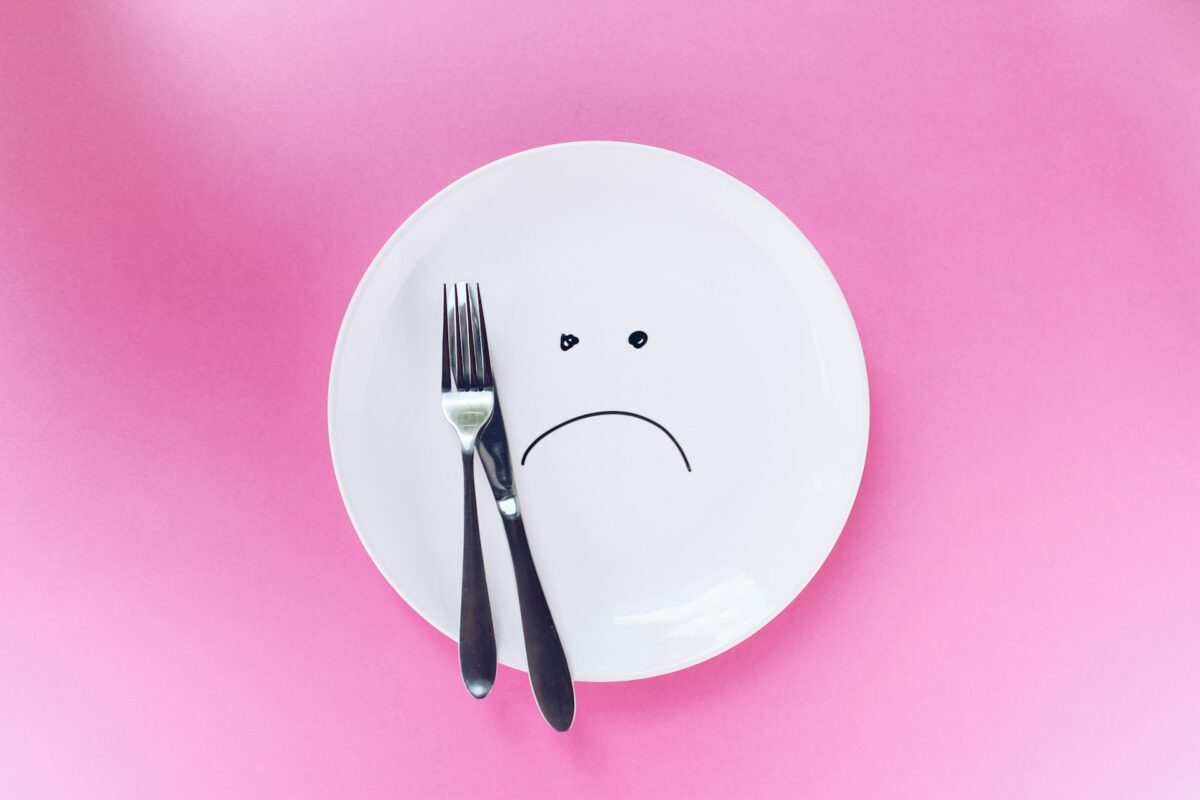
An unhealthy body image can lead to extreme dieting, overeating, or avoiding food altogether. These behaviours are often attempts to change their body shape or size.
5. Over-Exercising
Some people may exercise excessively to "fix" their body, even if it causes pain or interferes with other aspects of their life.6. Preoccupation with Appearance
They might spend excessive time thinking about how they look, checking mirrors, or taking selfies to evaluate their appearance.7. Seeking Validation
People with an unhealthy body image may rely on compliments or likes on social media to feel good about themselves, feeling upset if they don't get positive feedback.8. Negative Self-Talk
They might frequently use negative language about their appearance, like calling themselves "ugly" or "fat."9. Body Dysmorphia
In some cases, people may develop body dysmorphic disorder (BDD), a condition where they become fixated on a perceived flaw in their appearance that others may not even notice.10. Avoiding Help
They might refuse to talk about their feelings or seek support, believing they must deal with their insecurities alone.The Real-Life Impact on Young People
An unhealthy body image can affect many areas of a teenager's life, including:Mental Health
Body image issues are linked to anxiety, depression, and low self-esteem. Constantly worrying about appearance can be exhausting and overwhelming.Relationships
Feeling insecure about their body might make it harder to form or maintain friendships, as they may withdraw or feel unworthy of connection.Academic Performance
Preoccupation with body image can make it difficult to concentrate on schoolwork, affecting grades and motivation.Physical Health
Extreme dieting, over-exercising, or other harmful behaviours can lead to fatigue, injuries, and long-term health issues.Self-Identity
Focusing too much on appearance can prevent young people from exploring their talents, interests, and unique qualities.Practical Strategies for Dealing with Unhealthy Body Image
If you or someone you know is struggling with an unhealthy body image, there are steps you can take to improve your mindset and feel more confident:1. Challenge Negative Thoughts
When negative thoughts arise, ask yourself:- "Is this thought based on fact or opinion?"
- "What would I say to a friend who felt this way?"
- "What are three things I like about myself that have nothing to do with my appearance?"
2. Limit Social Media Use
Take breaks from social media, especially if it makes you feel self-conscious. Unfollow accounts that promote unrealistic beauty standards and follow ones that celebrate diversity and body positivity instead.3. Focus on Health, Not Looks
Adopt habits that make you feel strong and energised, such as eating nutritious meals, staying active in ways you enjoy, and getting enough sleep. These habits benefit your overall wellbeing, not just your appearance.4. Practise Gratitude
Make a list of things you appreciate about your body, like its strength, resilience, or ability to experience the world. This helps shift your focus from how your body looks to what it can do.5. Surround Yourself with Supportive People
Spend time with friends and family who uplift you and make you feel valued for who you are, not how you look.6. Set Non-Appearance Goals
Work on personal goals that have nothing to do with looks, like learning a new skill, joining a club, or improving in a hobby. Achieving these goals can boost your confidence and self-esteem.7. Avoid Criticising Others
Being kind to others about their appearance helps create a more positive environment and encourages kindness toward yourself as well.8. Educate Yourself
Learn how media, advertising, and social platforms promote unrealistic beauty standards. Understanding these influences can help you view them critically and reduce their impact on your self-esteem.9. Talk to Someone
If you're struggling, reach out to a trusted adult, teacher, or counsellor. They can provide support, advice, and resources to help you navigate these feelings.10. Celebrate Diversity
Recognise that beauty comes in all shapes, sizes, and forms. Celebrate the unique qualities that make you and others special.When to Seek Professional Help
If body image issues are significantly affecting your mental or physical health, it's important to seek professional support. Signs you may need help include:- Constantly feeling unhappy or anxious about your appearance.
- Engaging in harmful behaviours, like extreme dieting or over-exercising.
- Avoiding social situations because of body insecurities.
- Struggling to focus on school or daily activities.
Final Thoughts
Recognising the signs of an unhealthy body image is an important step toward self-acceptance and improved mental health. By challenging negative thoughts, focusing on your strengths, and seeking support when needed, you can develop a healthier mindset and build confidence. Remember, your worth isn't defined by how you look, it's about who you are as a person. If you're struggling, don't hesitate to reach out for help. You're not alone, and there's always support available to guide you toward self-love and positivity.How are you feeling?
It is really important that when we need help, we feel able to ask for it. This could be speaking to a parent, a close friend, a teacher or someone else you trust. Sometimes it can be really hard to share our feelings with other people but if we are feeling low or don't know where to turn, sharing with others is really important. Teachers will always take you seriously and listen to your problems in confidence if you approach them for help. Likewise, parents, siblings or friends will help you if you reach out to them.
If you feel like you can't speak to anyone you know, there are people and organisations that can help support you:
- Childline - Call them on 0800 1111 any time of the day or night, every day of the week
- NSPCC - Call them on 0808 800 5000 between 10am and 4pm Monday to Friday or email them on help@NSPCC.org.uk
- The Samaritans – Call them on 116 123 any time of the day or night, every day of the week
- SANE – Call 0300 304 7000 for support (4:30pm - 10:30pm every day)
- Mind – Call 0300 123 3393 (9:00am - 6:00pm Monday to Friday)
*Sometimes we will use real life examples in our articles to aid understanding. When we do, names and ages will be changed.
