

















Let's get started...
The idea of having the 'perfect' body is something many teenagers think about, especially in a world filled with social media, celebrities, and constant comparisons. But the truth is, chasing an unrealistic ideal can do more harm than good. Striving for perfection often comes from a desire to fit in, feel confident, or gain approval from others, but the process can lead to physical, emotional, and mental health challenges. Understanding the dangers of pursuing the 'perfect' body and learning how to embrace a healthier mindset is key to building confidence and self-acceptance.What Is the 'Perfect' Body?
The concept of a 'perfect' body is shaped by societal beauty standards, which are often unrealistic and constantly changing. At different times, these standards have emphasised slimness, curves, muscular builds, or other traits. Today, much of what we see as 'perfect' is influenced by: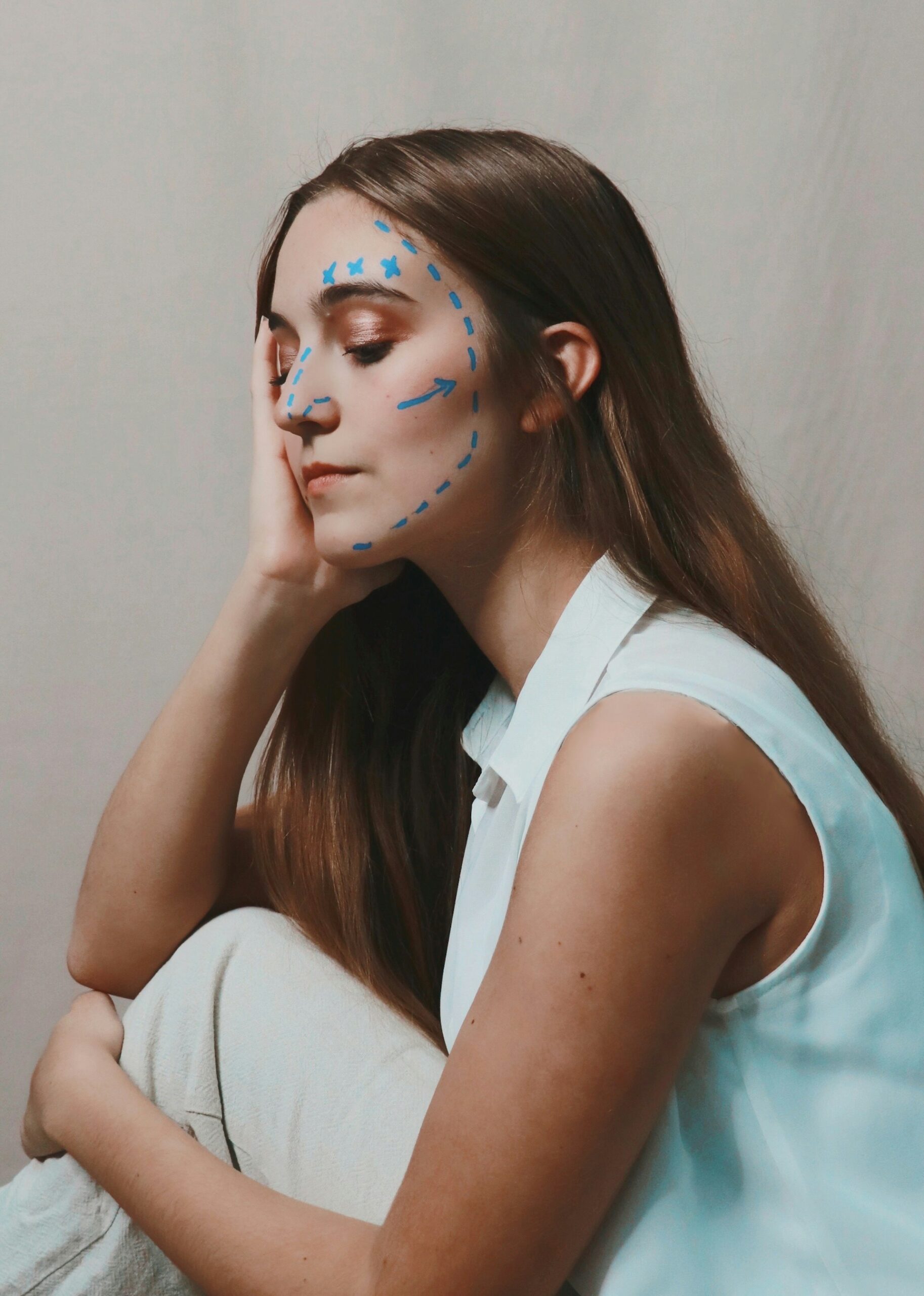
- Social media: Edited and filtered images make certain body types seem ideal and attainable.
- Celebrity culture: The appearance of influencers and public figures often sets beauty trends.
- Advertising: Brands often promote specific looks to sell beauty, fitness, or diet products.
The Real-Life Impact of Striving for the 'Perfect' Body
For teenagers, the pressure to meet beauty standards can affect many areas of life. Here are some of the dangers:1. Low Self-Esteem
When you compare yourself to idealised images, it's easy to feel like you don't measure up. This can lead to feelings of inadequacy or self-doubt.2. Anxiety and Depression
The constant focus on appearance can create stress, anxiety, or even depression, especially if you feel like you're not meeting expectations.3. Eating Disorders
Some people develop unhealthy eating habits, such as extreme dieting, binge eating, or purging, in an attempt to change their body. These behaviours can lead to serious physical and emotional harm.4. Obsession with Appearance
Spending too much time worrying about how you look can take away from other important aspects of life, such as friendships, hobbies, or schoolwork.5. Physical Health Risks
Over-exercising, using supplements, or following extreme diets can lead to injuries, fatigue, and long-term health problems, including nutrient deficiencies and hormonal imbalances.6. Damaged Relationships
Focusing on achieving the 'perfect' body can make you withdraw from friends and family or create tension if loved ones express concern about your habits.Why Is Perfection Unattainable?
The idea of a 'perfect' body is flawed because:- Bodies Are Unique: Everyone has a different genetic makeup, body shape, and size, so no single standard can apply to everyone.
- Trends Change: What's considered 'perfect' today might not be in a few years, as beauty standards constantly evolve.
- It's an Illusion: Many images in media are edited or filtered, creating an unrealistic view of what people actually look like.
Practical Strategies for Embracing Your Body
Instead of striving for an impossible ideal, focus on building a positive and healthy relationship with your body. Here are some strategies to help:1. Shift Your Focus
Concentrate on what your body can do rather than how it looks. Appreciate your body's abilities, such as running, dancing, or creating art.2. Challenge Unrealistic Standards
Learn to question the messages you see in media. Remind yourself that many images are edited and that real beauty comes in all shapes and sizes.3. Surround Yourself with Positivity
Follow social media accounts that promote body positivity and diversity. Spend time with friends and family who make you feel good about yourself.4. Practise Self-Compassion
Be kind to yourself, especially on days when you feel self-critical. Replace negative thoughts with affirmations like, "I am more than my appearance" or "I deserve love and respect."5. Avoid Comparisons
Everyone's journey is different. Instead of comparing yourself to others, focus on your unique qualities and strengths.6. Set Health Goals
If you want to improve your health, set realistic and sustainable goals, such as eating more nutritious foods or finding physical activities you enjoy. Focus on feeling good rather than changing your appearance.7. Talk About It
If you're struggling with body image or feel pressured to look a certain way, talk to a trusted friend, family member, or counsellor. Sharing your feelings can provide relief and perspective.8. Limit Social Media Use
Take breaks from platforms that make you feel self-conscious. Use that time to focus on hobbies or spend time offline with people who uplift you.9. Celebrate Your Achievements
Focus on accomplishments that have nothing to do with appearance, such as academic success, creative projects, or acts of kindness.10. Advocate for Change
Join body positivity movements or start conversations about diversity and self-acceptance at school. Being part of the solution can help you feel empowered and inspire others.When to Seek Help
If striving for the 'perfect' body is affecting your mental or physical health, it's important to seek support. Signs that you might need help include:- Constantly comparing yourself to others and feeling inadequate.
- Engaging in unhealthy eating or exercise habits.
- Avoiding social situations due to body insecurities.
- Feeling anxious, depressed, or overwhelmed about your appearance.
Final Thoughts
Striving for the 'perfect' body can be dangerous, leading to low self-esteem, mental health challenges, and physical harm. Instead of chasing unrealistic ideals, focus on building a positive relationship with your body and appreciating what makes you unique. By shifting your mindset, practising self-compassion, and surrounding yourself with positivity, you can feel more confident and empowered. Remember, perfection is an illusion, real beauty comes from being true to yourself.How are you feeling?
It is really important that when we need help, we feel able to ask for it. This could be speaking to a parent, a close friend, a teacher or someone else you trust. Sometimes it can be really hard to share our feelings with other people but if we are feeling low or don't know where to turn, sharing with others is really important. Teachers will always take you seriously and listen to your problems in confidence if you approach them for help. Likewise, parents, siblings or friends will help you if you reach out to them.
If you feel like you can't speak to anyone you know, there are people and organisations that can help support you:
- Childline - Call them on 0800 1111 any time of the day or night, every day of the week
- NSPCC - Call them on 0808 800 5000 between 10am and 4pm Monday to Friday or email them on help@NSPCC.org.uk
- The Samaritans – Call them on 116 123 any time of the day or night, every day of the week
- SANE – Call 0300 304 7000 for support (4:30pm - 10:30pm every day)
- Mind – Call 0300 123 3393 (9:00am - 6:00pm Monday to Friday)
*Sometimes we will use real life examples in our articles to aid understanding. When we do, names and ages will be changed.
