

















Let's get started...
Body image and self-esteem are closely connected, particularly during your teenage years when your body is changing, and you're learning more about yourself. Body image refers to how you see and feel about your appearance, while self-esteem is how much you value and believe in yourself overall. A negative body image can lower your self-esteem, making it harder to feel confident and comfortable in your own skin. By understanding the relationship between body image and self-esteem, you can take steps to develop a healthier mindset and build your confidence.What Is Body Image?
Body image is the way you perceive, think about, and feel about your body. It includes: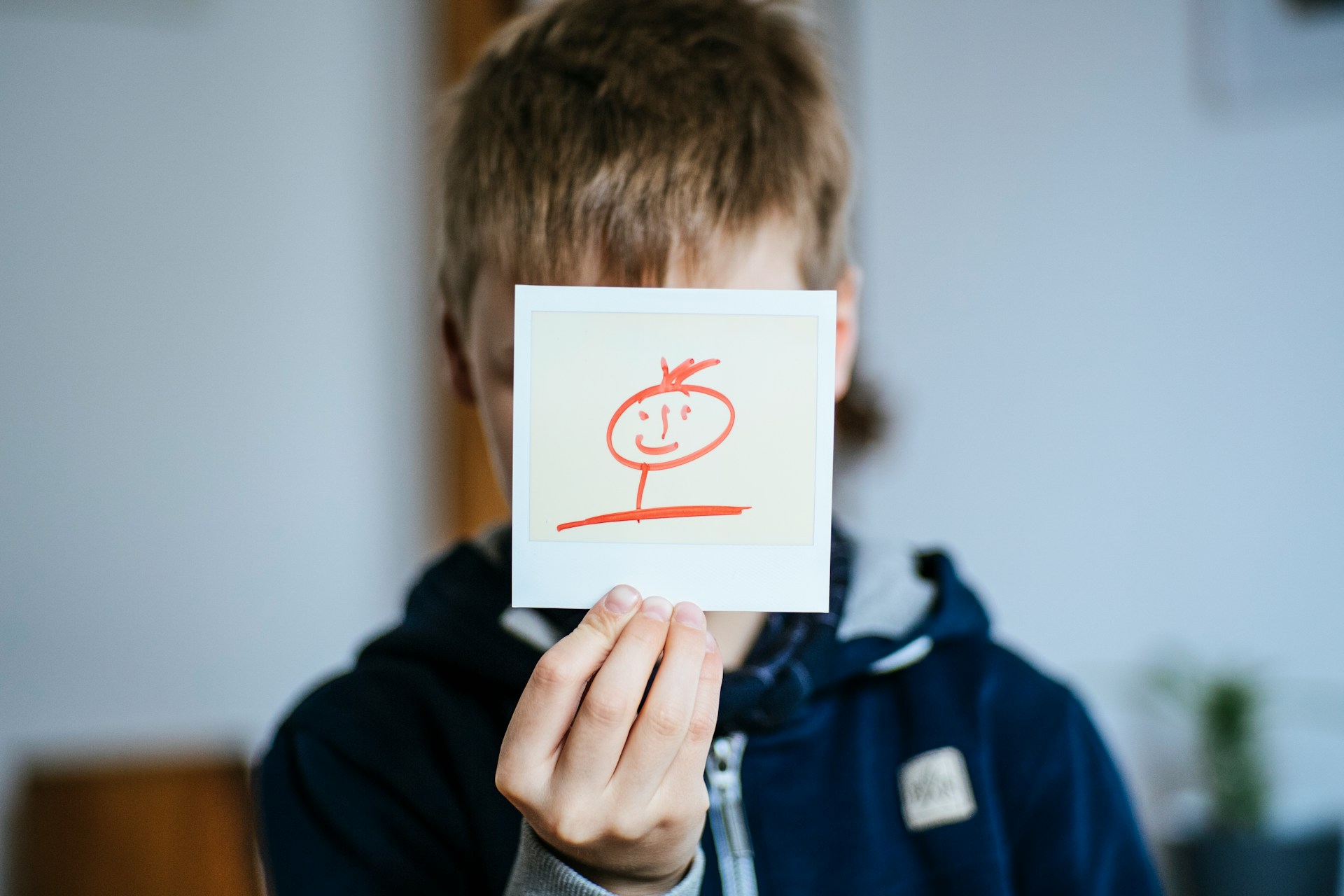
- Visual perception: How you see yourself when you look in the mirror.
- Thoughts: What you believe about your appearance, such as "I'm too short" or "I have great hair."
- Feelings: Your emotions related to your appearance, such as pride or insecurity.
- Behaviours: How your thoughts and feelings about your body influence your actions, like choosing what to wear or avoiding certain activities.
What Is Self-Esteem?
Self-esteem is your overall sense of self-worth and confidence. It's about how much you value yourself, not just in terms of your appearance but also your abilities, personality, and achievements. A healthy self-esteem means you feel good about yourself and believe in your potential, even if you acknowledge areas where you'd like to grow.How Are Body Image and Self-Esteem Related?
Body image and self-esteem are interconnected because how you feel about your body can influence your overall self-worth. Here's how they relate:1. A Positive Body Image Boosts Self-Esteem
When you feel confident and accepting of your body, you're more likely to feel good about yourself as a whole. This can improve your confidence in social situations, academics, and personal goals.2. A Negative Body Image Can Lower Self-Esteem
If you're constantly critical of your appearance, it can lead to feelings of inadequacy and self-doubt. This might make you less likely to try new things or believe in your abilities.3. Other Factors Play a Role
While body image is important, self-esteem is also influenced by other factors, such as your relationships, achievements, and values. Even if you struggle with body image, focusing on these areas can help strengthen your self-esteem.The Real-Life Impact on Young People
For teenagers, body image and self-esteem can have a big impact on daily life. Here are some of the ways this connection plays out:Social Confidence
Feeling good about your appearance can make it easier to participate in social activities and form friendships. On the other hand, body insecurities might lead you to avoid social events or feel uncomfortable around others.Academic and Extracurricular Participation
Low self-esteem tied to body image concerns might make you less likely to raise your hand in class, join a sports team, or try out for a school play.Mental Health
Negative body image can contribute to anxiety, depression, or other mental health challenges, while a positive body image can promote resilience and happiness.Risky Behaviours
In an effort to change their appearance, some teens might engage in unhealthy behaviours, such as extreme dieting or over-exercising, which can have serious physical and emotional consequences.Practical Strategies for Improving Body Image and Self-Esteem
Building a positive body image and healthy self-esteem takes time, but it's possible with the right strategies. Here's how you can work on both:1. Challenge Negative Thoughts
When you catch yourself thinking negatively about your appearance, ask yourself:- "Is this thought based on fact or opinion?"
- "Would I say this to a friend?"
- "What's something I appreciate about my body?"
2. Focus on What Your Body Can Do
Instead of concentrating on how your body looks, think about what it allows you to do, such as playing sports, dancing, or creating art. This helps you appreciate your body's abilities rather than just its appearance.3. Avoid Comparisons
Comparing yourself to others, especially on social media, can make you feel inadequate. Remember that everyone's body is unique and that social media often presents an edited or filtered version of reality.4. Surround Yourself with Positivity
Spend time with people who support and uplift you. Avoid those who make negative comments about appearances, whether it's about you, themselves, or others.5. Practice Self-Care
Taking care of yourself physically and mentally can boost your confidence. This includes eating nutritious meals, staying active, getting enough sleep, and finding activities that help you relax.6. Set Non-Appearance-Based Goals
Focus on goals that have nothing to do with how you look, such as learning a new skill, improving in a hobby, or volunteering. Achieving these goals can improve your self-esteem and show you that your worth isn't tied to your appearance.7. Educate Yourself About Media Influences
Learn how media shapes unrealistic beauty standards. Understanding this can help you view images and messages more critically, reducing their impact on your self-esteem.8. Celebrate Your Uniqueness
Embrace the features that make you unique. Whether it's your smile, laugh, or a quirky talent, recognising what makes you special can boost your confidence.9. Help Others
Supporting friends who struggle with body image can help you feel empowered and foster a sense of community. You might find that helping others boosts your self-esteem as well.10. Seek Support When Needed
If body image issues are significantly affecting your self-esteem or mental health, talk to a trusted adult, teacher, or counsellor. Professional support can help you develop healthier thoughts and behaviours.Final Thoughts
Body image and self-esteem are deeply connected, but it's important to remember that your worth goes far beyond how you look. By challenging negative thoughts, focusing on your strengths, and surrounding yourself with positivity, you can build a healthier relationship with your body and yourself. If you're struggling, don't be afraid to ask for help, everyone deserves to feel confident, valued, and appreciated for who they are. With time and effort, you can develop the self-esteem and body image that allow you to thrive.How are you feeling?
It is really important that when we need help, we feel able to ask for it. This could be speaking to a parent, a close friend, a teacher or someone else you trust. Sometimes it can be really hard to share our feelings with other people but if we are feeling low or don't know where to turn, sharing with others is really important. Teachers will always take you seriously and listen to your problems in confidence if you approach them for help. Likewise, parents, siblings or friends will help you if you reach out to them.
If you feel like you can't speak to anyone you know, there are people and organisations that can help support you:
- Childline - Call them on 0800 1111 any time of the day or night, every day of the week
- NSPCC - Call them on 0808 800 5000 between 10am and 4pm Monday to Friday or email them on help@NSPCC.org.uk
- The Samaritans – Call them on 116 123 any time of the day or night, every day of the week
- SANE – Call 0300 304 7000 for support (4:30pm - 10:30pm every day)
- Mind – Call 0300 123 3393 (9:00am - 6:00pm Monday to Friday)
*Sometimes we will use real life examples in our articles to aid understanding. When we do, names and ages will be changed.
