

















Let's get started...
Body image is how you perceive your body and how you think others see it. For teenagers, this can be a particularly sensitive topic, as social media, peers, and societal expectations can make you feel pressured to look a certain way. Struggling with body image issues is common, but it's important to remember that you're not alone and that these feelings don't define your worth. This article explores what body image issues are, their impact on young people, and practical strategies to build a healthier relationship with your body.
What Are Body Image Issues?
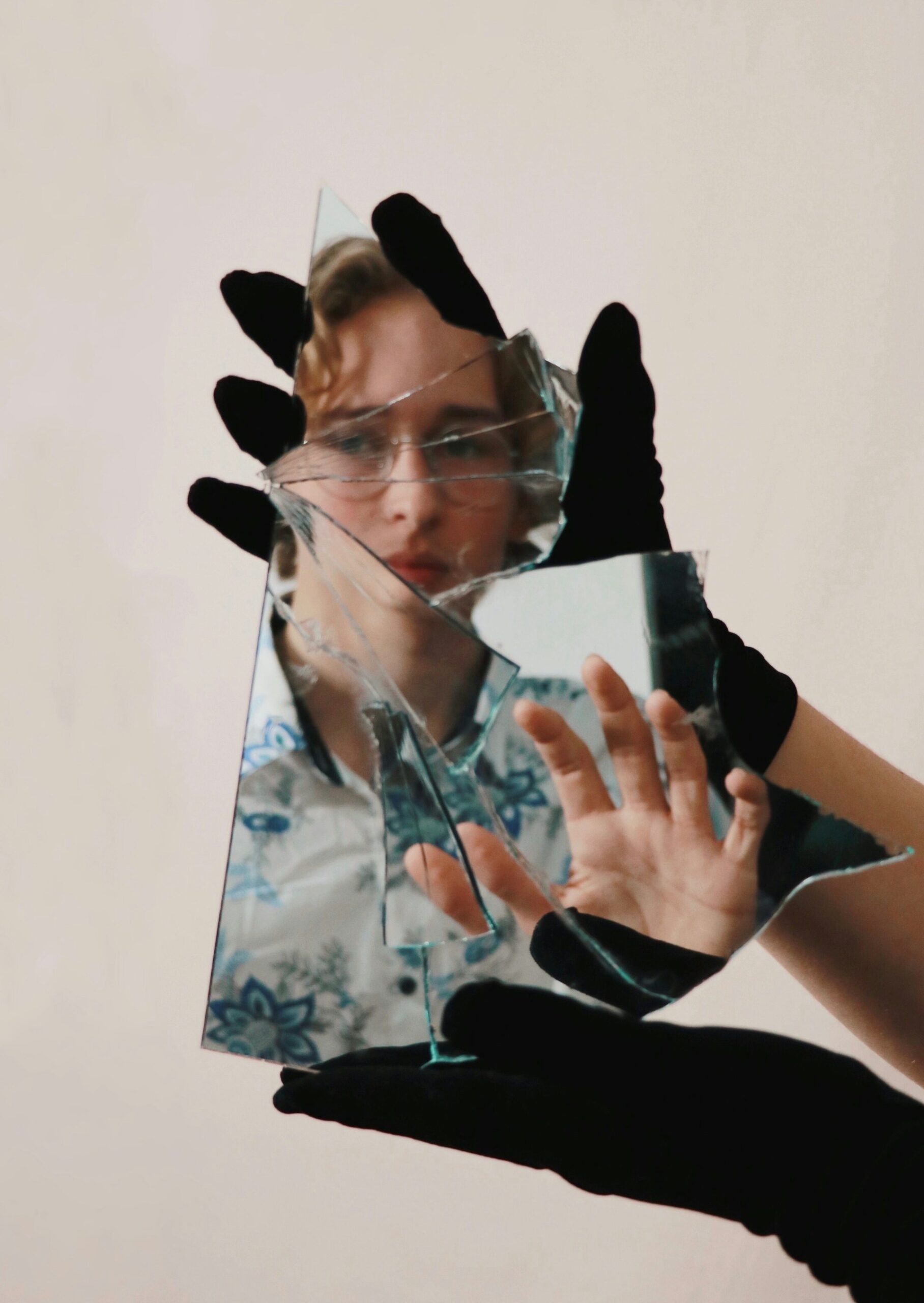
Body image issues occur when you feel unhappy or dissatisfied with your body. These feelings can stem from comparing yourself to others, focusing on perceived flaws, or internalising unrealistic beauty standards. While it's normal to have occasional insecurities, constant negative thoughts about your body can impact your mental health and overall well-being.
What Causes Body Image Issues?
There's no single cause of body image issues, they're influenced by a combination of factors:
1. Social Media
Scrolling through photos of seemingly perfect influencers or celebrities can make you compare yourself to others, even though many of these images are edited or posed.
2. Peer Pressure
Comments from friends, classmates, or family members about weight, appearance, or clothing can affect how you see yourself.
3. Unrealistic Beauty Standards
Society often promotes narrow definitions of beauty, making it harder to feel confident if you don't fit into those standards.
4. Personal Experiences
Negative experiences, such as bullying or teasing about your appearance, can contribute to feelings of low self-esteem.
5. Mental Health
Anxiety, depression, or low self-esteem can make you more vulnerable to body image concerns.
Real-Life Impact of Body Image Issues
Body image issues can affect every aspect of your life, from your confidence to your relationships. Here are some real-life examples:
1. Avoiding Social Situations
Emma, 15, stopped going to pool parties because she felt self-conscious about wearing a swimsuit. This led to feelings of loneliness and isolation.
2. Over-Focusing on Appearance
Ryan, 16, spent hours working out at the gym, not because he enjoyed it, but because he felt pressure to achieve a "perfect" body.
3. Low Self-Esteem
Sophie, 14, constantly compared herself to her favourite influencers online. She started to believe she wasn't good enough, which affected her confidence at school.
Practical Strategies for Dealing with Body Image Issues
While body image issues can be challenging, there are steps you can take to develop a healthier relationship with your body:
1. Limit Social Media Use
Social media can be a major source of comparison. Try to spend less time online, and unfollow accounts that make you feel bad about yourself. Instead, follow body-positive influencers or accounts that promote self-love.
2. Challenge Unrealistic Standards
Remember that most images you see online are edited or carefully posed. Compare yourself only to your own progress, not to unrealistic or unattainable ideals.
3. Focus on What Your Body Can Do
Instead of focusing on how your body looks, think about what it can do. Whether it's playing a sport, dancing, or simply walking to school, your body is capable of amazing things.
4. Practice Self-Compassion
Treat yourself with the kindness you'd show a friend. If you catch yourself thinking negatively about your appearance, try to reframe those thoughts in a more supportive way.
5. Wear Clothes That Make You Feel Good
Choose clothes that fit comfortably and make you feel confident. Dressing in a way that reflects your personality can boost your mood and self-esteem.
6. Focus on Health, Not Appearance
Rather than striving for a certain look, focus on being healthy. Eat nutritious foods, stay active, and get enough sleep, not because you want to change your appearance, but because it helps you feel good.
7. Talk to Someone You Trust
If you're struggling with body image, reach out to a trusted friend, family member, or teacher. Sharing your feelings can help you feel less alone and gain a new perspective.
8. Practice Gratitude
Keep a journal where you write down three things you like about yourself each day. These can be about your personality, achievements, or even small victories, like completing a project or helping a friend.
9. Avoid Negative Self-Talk
Be mindful of the way you talk to yourself. If you wouldn't say something to a friend, don't say it to yourself. Replace negative thoughts with positive affirmations.
10. Seek Professional Support
If body image issues are affecting your mental health or daily life, consider speaking to a counsellor or therapist. They can provide strategies to help you feel better and build your confidence.
Building a Positive Body Image
Creating a positive body image takes time, but it's worth the effort. Here are some additional tips to help you along the way:
- Focus on your strengths and talents, not just your appearance.
- Surround yourself with people who lift you up and support you.
- Avoid comparing yourself to others, everyone's journey is different.
- Remember that beauty comes in all shapes, sizes, and forms.
When to Seek Help
If body image issues are causing distress or leading to unhealthy behaviours, it's important to seek support. Signs that you might need help include:
- Constantly criticising your appearance
- Avoiding social situations or activities
- Engaging in extreme dieting or exercise
- Feeling anxious or depressed about your body
Reach out to a parent, teacher, or school counsellor if you need support. Professional help is available, and it can make a big difference in how you feel about yourself.
Final Thoughts
Dealing with body image issues can be tough, but it's important to remember that you're not alone. By focusing on self-care, challenging negative thoughts, and seeking support when needed, you can build a healthier relationship with your body. Everyone's journey is unique, and your worth isn't determined by how you look. Embrace what makes you different and celebrate the things that make you, you.
How are you feeling?
It is really important that when we need help, we feel able to ask for it. This could be speaking to a parent, a close friend, a teacher or someone else you trust. Sometimes it can be really hard to share our feelings with other people but if we are feeling low or don't know where to turn, sharing with others is really important. Teachers will always take you seriously and listen to your problems in confidence if you approach them for help. Likewise, parents, siblings or friends will help you if you reach out to them.
If you feel like you can't speak to anyone you know, there are people and organisations that can help support you:
- Childline - Call them on 0800 1111 any time of the day or night, every day of the week
- NSPCC - Call them on 0808 800 5000 between 10am and 4pm Monday to Friday or email them on help@NSPCC.org.uk
- The Samaritans – Call them on 116 123 any time of the day or night, every day of the week
- SANE – Call 0300 304 7000 for support (4:30pm - 10:30pm every day)
- Mind – Call 0300 123 3393 (9:00am - 6:00pm Monday to Friday)
*Sometimes we will use real life examples in our articles to aid understanding. When we do, names and ages will be changed.
