

















Let's get started...
Body image is a topic that affects everyone, especially during your teenage years. It's about how you see yourself when you look in the mirror and how you feel about your appearance. In a world filled with social media, peer pressure, and unrealistic beauty standards, it's easy to feel self-conscious or unsure about your body. If you've ever had questions about body image but were too afraid to ask, you're not alone. Here, we'll explore 10 key things about body image, its impact on young people, and practical strategies to develop a healthier relationship with your body.
1. What Is Body Image?
Body image refers to how you perceive, think, and feel about your body. It includes:
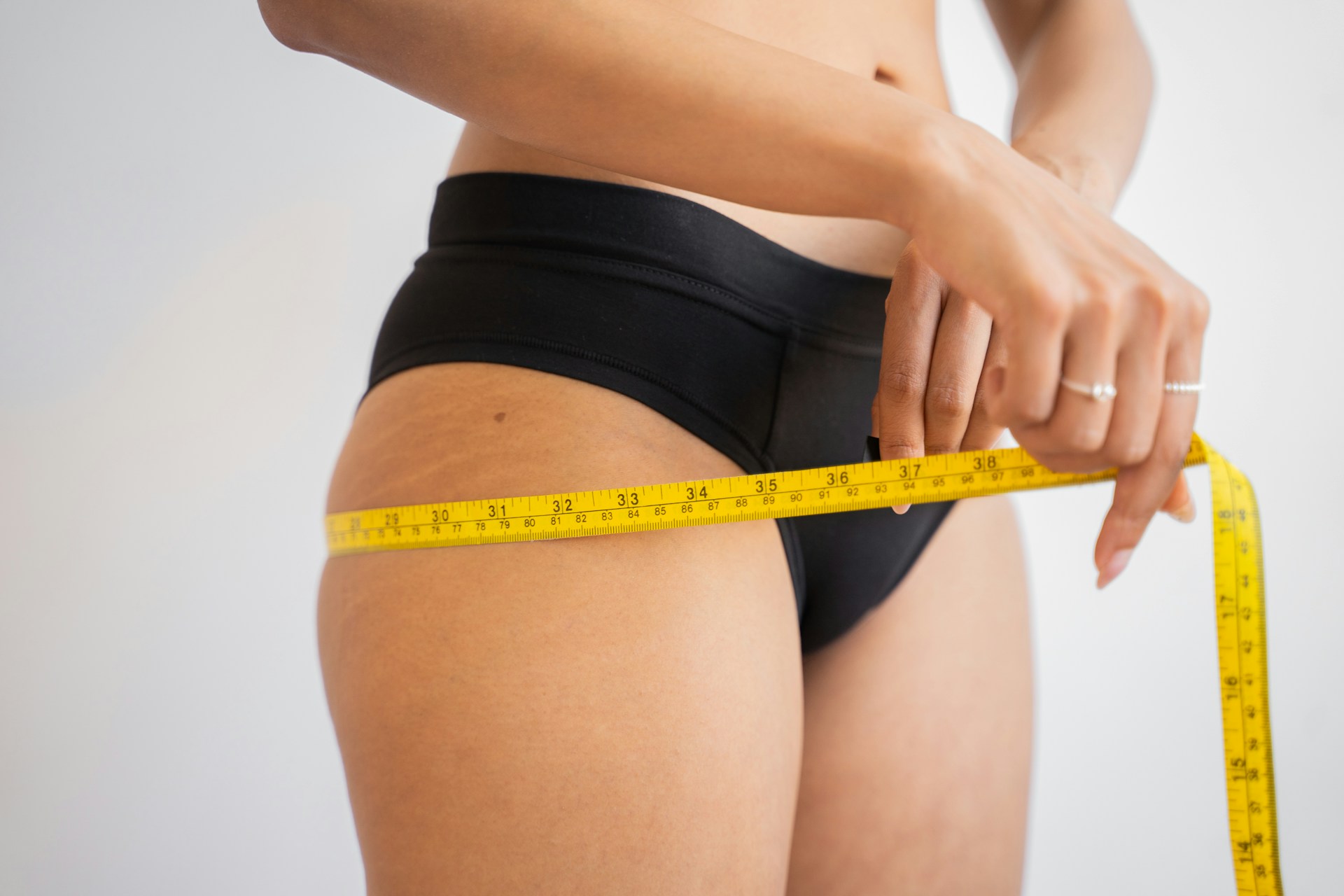
- How you see yourself: Your mental picture of your physical appearance.
- What you believe: Thoughts and assumptions about your body, such as "I look too thin" or "I'm not strong enough."
- How you feel: Your emotional reactions to your appearance, like pride, shame, or indifference.
- How you behave: The actions you take based on your body image, such as dressing a certain way or avoiding certain activities.
Your body image can be positive, negative, or somewhere in between, and it often changes over time.
2. Why Is Body Image Important?
Your body image influences your self-esteem, confidence, and mental health. A positive body image can help you feel more confident and comfortable in your own skin, while a negative body image can lead to feelings of inadequacy, anxiety, or depression. Understanding its importance helps you recognise when your thoughts about your body may be affecting your wellbeing.
3. What Influences Body Image?
Body image is shaped by many factors, including:
- Social media: Images of "perfect" bodies can set unrealistic expectations.
- Peers: Friends' opinions or comments can impact how you feel about yourself.
- Family: Messages from parents or siblings about weight, fitness, or appearance can play a role.
- Culture: Beauty standards vary by society and can influence what you see as "ideal."
- Personal experiences: Bullying, compliments, or medical conditions can affect how you view your body.
Recognising these influences can help you take steps to protect your self-esteem.
4. Is It Normal to Compare Yourself to Others?
Yes, comparing yourself to others is a natural part of human behaviour. However, constant comparisons, especially to edited or curated images on social media, can harm your self-esteem. Remember, people often only share their best moments online, and comparing yourself to these snapshots is unfair.
5. How Does Body Image Affect Mental Health?
Body image and mental health are closely linked. A negative body image can lead to:
- Anxiety or depression
- Low self-esteem
- Eating disorders
- Avoidance of social situations
- Excessive focus on exercise or dieting
Understanding this connection can help you identify when negative thoughts about your body are affecting your mental health and seek support.
6. Can Boys Struggle with Body Image Too?
Absolutely. Body image issues are often associated with girls, but boys can also feel pressure to look a certain way. This might include wanting to be more muscular, taller, or leaner. Recognising that body image affects everyone, regardless of gender, is an important step toward addressing it.
7. How Can You Build a Positive Body Image?
Building a healthier relationship with your body takes time and effort. Here are some practical tips:
- Focus on what your body can do: Appreciate your body for its abilities, like running, dancing, or creating art.
- Surround yourself with positivity: Spend time with people who make you feel good about yourself.
- Challenge negative thoughts: Replace critical self-talk with kind and supportive statements.
- Limit social media use: Follow accounts that promote body positivity and take breaks from platforms that make you feel self-conscious.
- Take care of yourself: Eat nutritious meals, exercise for fun, and prioritise rest.
8. What Should You Do If Someone Comments on Your Body?
Comments about your appearance, whether positive or negative, can be uncomfortable. If someone says something about your body that bothers you:
- Set boundaries: Politely let them know that you prefer not to discuss your appearance.
- Change the subject: Redirect the conversation to something else.
- Talk to someone you trust: Sharing your feelings with a friend, family member, or teacher can provide support.
Remember, you don't owe anyone an explanation or response about your body.
9. How Can You Support a Friend Struggling with Body Image?
If a friend is dealing with negative body image, you can help by:
- Listening: Let them share their feelings without judgment.
- Offering reassurance: Remind them that their worth isn't tied to their appearance.
- Encouraging professional help: Suggest they talk to a counsellor or trusted adult if they're struggling.
Your support can make a big difference in their journey toward self-acceptance.
10. When Should You Seek Help?
If negative thoughts about your body are affecting your daily life, it's important to seek help. Signs that you might need support include:
- Constantly criticising your appearance
- Avoiding social situations or activities because of your body
- Engaging in unhealthy behaviours like extreme dieting or over-exercising
- Feeling anxious, depressed, or hopeless about your appearance
Talk to a trusted adult, teacher, or counsellor. They can provide guidance and connect you with resources to help you feel better.
Final Thoughts
Body image is a complex topic that affects everyone in different ways. By understanding what shapes your body image, learning how to challenge negative thoughts, and practising self-care, you can build a healthier relationship with your body. Remember, you are more than your appearance, and your worth isn't defined by how you look. If you're struggling, don't be afraid to seek help, it's a sign of strength, not weakness. With time, effort, and support, you can develop a positive body image and feel more confident in your own skin.
How are you feeling?
It is really important that when we need help, we feel able to ask for it. This could be speaking to a parent, a close friend, a teacher or someone else you trust. Sometimes it can be really hard to share our feelings with other people but if we are feeling low or don't know where to turn, sharing with others is really important. Teachers will always take you seriously and listen to your problems in confidence if you approach them for help. Likewise, parents, siblings or friends will help you if you reach out to them.
If you feel like you can't speak to anyone you know, there are people and organisations that can help support you:
- Childline - Call them on 0800 1111 any time of the day or night, every day of the week
- NSPCC - Call them on 0808 800 5000 between 10am and 4pm Monday to Friday or email them on help@NSPCC.org.uk
- The Samaritans – Call them on 116 123 any time of the day or night, every day of the week
- SANE – Call 0300 304 7000 for support (4:30pm - 10:30pm every day)
- Mind – Call 0300 123 3393 (9:00am - 6:00pm Monday to Friday)
*Sometimes we will use real life examples in our articles to aid understanding. When we do, names and ages will be changed.
