

















Let's get started...
Addiction is a complex condition that affects millions of people around the world. It's often misunderstood, with some people viewing it as a lack of willpower or a bad habit. However, addiction is far more complicated and involves biological, psychological, and social factors. For young people, understanding the causes of addiction can help them make informed decisions and seek help if needed. This article explores what causes addiction, its impact on teenagers, and practical strategies for prevention and recovery.What Is Addiction?
Addiction is a condition where a person becomes dependent on a substance or behaviour, such as alcohol, drugs, gaming, or social media. It affects the brain's reward system, making it difficult to stop even when it causes harm.Key Features of Addiction
- Cravings: An intense desire to use a substance or engage in a behaviour.
- Loss of Control: Difficulty stopping or limiting use, even when trying to quit.
- Dependence: Needing more of the substance or activity to achieve the same effect.
- Negative Impact: Experiencing problems in health, relationships, or responsibilities due to addiction.
What Causes Addiction?
There's no single cause of addiction. Instead, it's the result of multiple factors that influence a person's vulnerability to developing it. These include biological, psychological, and environmental factors.1. Biological Factors
Genetics and brain chemistry play a significant role in addiction:- Genetics: Some people inherit a genetic predisposition to addiction, making them more likely to develop it if exposed to substances or addictive behaviours.
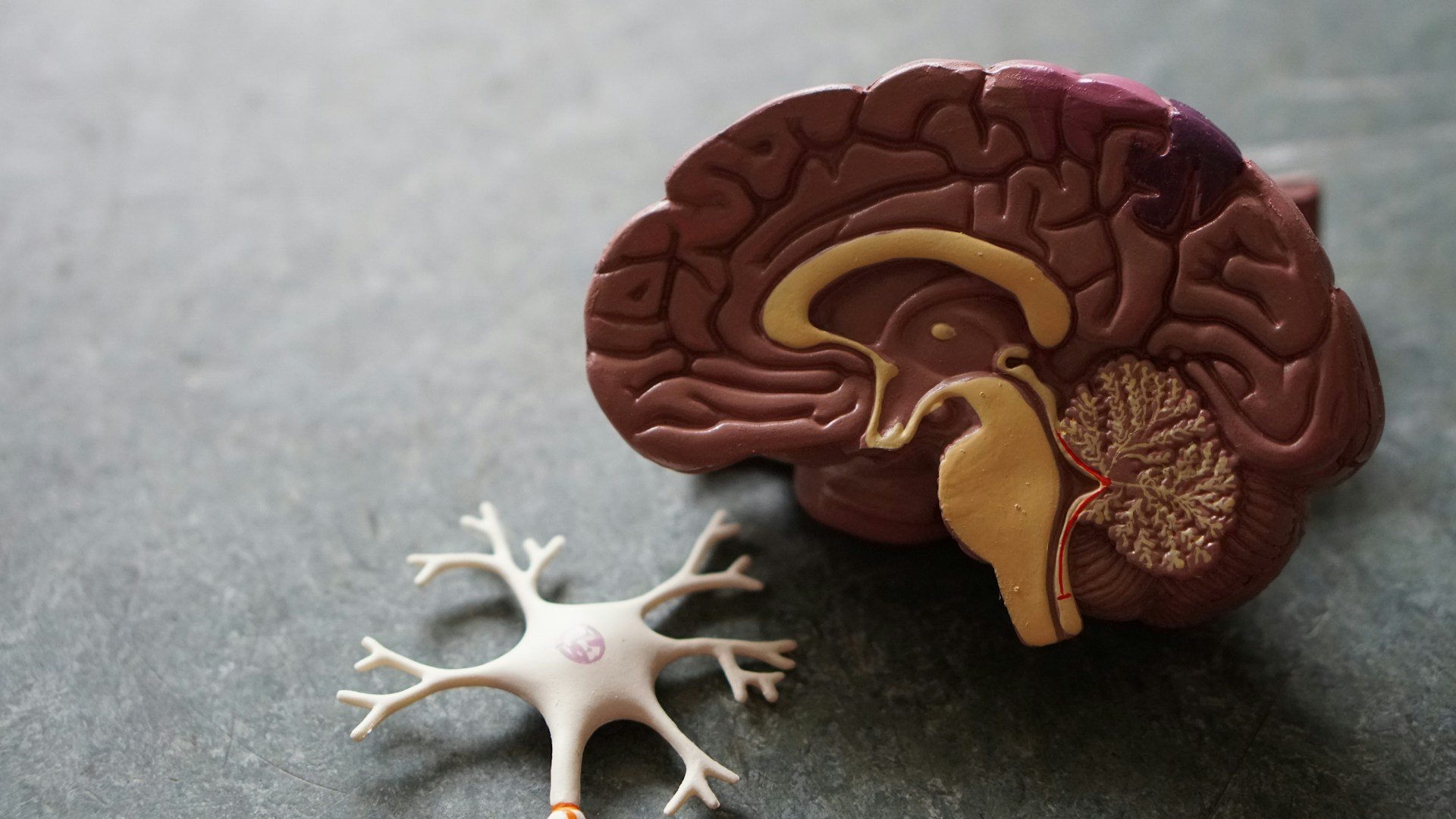
- Brain Chemistry: Addiction affects the brain's reward system by releasing dopamine, a chemical that creates feelings of pleasure. Over time, the brain becomes dependent on these substances or behaviours to feel normal.
2. Psychological Factors
Mental health and personal experiences also contribute to addiction:- Stress: People often turn to substances or behaviours to cope with stress or anxiety.
- Trauma: Experiences such as bullying, abuse, or loss can increase the risk of addiction.
- Low Self-Esteem: Struggling with self-worth can make someone more vulnerable to addictive behaviours.
3. Environmental Factors
The environment someone grows up in can influence their likelihood of developing addiction:- Family Influence: A family history of addiction or a lack of parental supervision can increase risk.
- Peer Pressure: Friends who use substances or engage in risky behaviours can encourage similar habits.
- Availability: Easy access to substances like alcohol, drugs, or vaping products increases the likelihood of experimentation.
4. Social and Cultural Factors
Broader societal influences can also play a role:- Media and Advertising: The portrayal of substances or behaviours as glamorous or normal in media can encourage use.
- Social Norms: Cultural attitudes toward drinking, smoking, or gaming can shape behaviours.
The Real-Life Impact of Addiction on Teenagers
Addiction can have a significant impact on a young person's life, affecting their physical health, mental well-being, relationships, and future opportunities.Physical Health
- Substance addiction can damage vital organs, weaken the immune system, and cause long-term health problems.
- Behavioural addictions, such as gaming, can lead to sleep deprivation, poor posture, and a sedentary lifestyle.
Mental Health
- Addiction is often linked to anxiety, depression, and low self-esteem.
- Teenagers may experience guilt or shame, making it harder to seek help.
Relationships
- Addiction can strain relationships with family and friends due to secrecy, conflicts, or neglect of responsibilities.
- Young people may isolate themselves, prioritising their addiction over meaningful connections.
Education and Future Goals
- Addiction can lead to poor academic performance and missed opportunities.
- Teenagers may struggle to focus on long-term goals while dealing with addiction.
Strategies for Preventing and Managing Addiction
While addiction is challenging, it's not inevitable. There are practical steps teenagers can take to reduce their risk and manage addiction if it develops.1. Build Healthy Coping Mechanisms
Learning to handle stress and emotions in positive ways can reduce the risk of addiction:- Practice mindfulness or meditation to manage anxiety and stay grounded.
- Engage in physical activities, such as sports or yoga, to boost mood and energy.
- Talk to someone you trust about your feelings instead of turning to substances or behaviours.
2. Set Boundaries with Technology
Limiting screen time and balancing online and offline activities can help prevent behavioural addictions:- Establish screen-free times, such as during meals or before bed.
- Pursue hobbies that don't involve technology, like drawing, reading, or gardening.
3. Surround Yourself with Positive Influences
- Choose friends who respect your choices and encourage healthy habits.
- Seek out mentors or role models who inspire you to make positive decisions.
4. Educate Yourself About Addiction
- Learn about the risks and consequences of addictive substances and behaviours.
- Recognise the signs of addiction early to address it before it worsens.
5. Seek Help When Needed
If you or someone you know is struggling with addiction, don't hesitate to reach out for support:- Talk to a Trusted Adult: Share your concerns with a parent, teacher, or school counsellor.
- Access Professional Help: Therapists and addiction specialists can provide guidance and treatment options.
- Join Support Groups: Connecting with others who understand can make recovery feel less overwhelming.
Real-Life Example
Consider Mia, a 16-year-old who started vaping to cope with exam stress. Over time, she became addicted and noticed her grades slipping and her relationships with friends becoming strained. With support from her parents and a school counsellor, Mia found healthier ways to manage stress, like journaling and exercising. She also joined a peer support group, which helped her stay motivated in her recovery journey. Mia's story shows that with the right support and strategies, it's possible to overcome addiction.Conclusion
Addiction is a complex condition caused by a combination of biological, psychological, and environmental factors. For teenagers, understanding these causes can help prevent addiction and encourage healthy choices. While addiction can have serious consequences, it's important to remember that recovery is possible. By building healthy habits, seeking support, and addressing the underlying causes, young people can take control of their lives and create a brighter, addiction-free future.How are you feeling?
It is really important that when we need help, we feel able to ask for it. This could be speaking to a parent, a close friend, a teacher or someone else you trust. Sometimes it can be really hard to share our feelings with other people but if we are feeling low or don't know where to turn, sharing with others is really important. Teachers will always take you seriously and listen to your problems in confidence if you approach them for help. Likewise, parents, siblings or friends will help you if you reach out to them.
If you feel like you can't speak to anyone you know, there are people and organisations that can help support you:
- Childline - Call them on 0800 1111 any time of the day or night, every day of the week
- NSPCC - Call them on 0808 800 5000 between 10am and 4pm Monday to Friday or email them on help@NSPCC.org.uk
- The Samaritans – Call them on 116 123 any time of the day or night, every day of the week
- SANE – Call 0300 304 7000 for support (4:30pm - 10:30pm every day)
- Mind – Call 0300 123 3393 (9:00am - 6:00pm Monday to Friday)
*Sometimes we will use real life examples in our articles to aid understanding. When we do, names and ages will be changed.
