













Let's get started...
Introduction to Festival Foods
When you think of festivals, maybe your mind jumps right to the music, the outfits, or even the epic dance moves. However, one of the unsung heroes of these gatherings is the food! Festival food is more than just a necessary fuel to keep you bouncing around with your friends it's a vibrant part of the festival experience itself. From glittering candy apples to a steaming hot plate of noodles, festival food spans a vast range of flavours and traditions.
The Variety of Festival Foods
Food at festivals can vary greatly depending on where in the UK you are and the type of festival you attend. For instance, at a music festival like Glastonbury, you'll find an extensive range of foods from around the world, including gourmet burgers, vegan wraps, and artisan pizzas. At a cultural festival, the offerings might include traditional dishes relating to the specific culture being celebrated, such as curry at a South Asian festival or jerk chicken at a Caribbean carnival.
- Street Food: This is easily the most common type of food you'll find at any festival. Street food stalls are convenient, usually serve food fast, and offer a taste of local and international flavours. Think tacos, noodles, or kebabs.
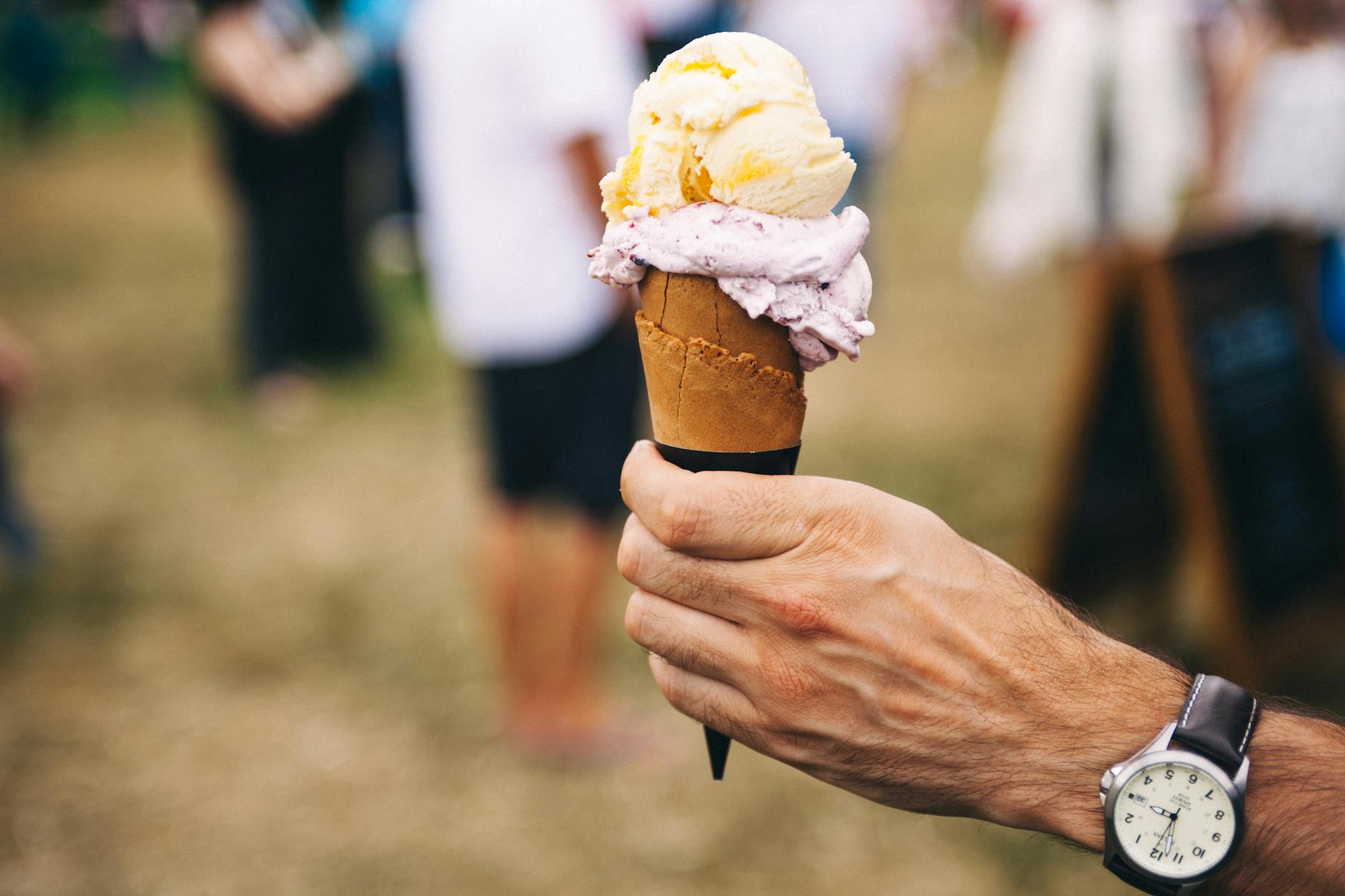
- Sweets and Desserts: Festivals are a fantastic place to indulge in some sugar. From cotton candy and doughnuts to more artisan choices like gourmet ice cream and crepes, the options are nearly endless.
- Health-Conscious Options: More festivals now offer a range of foods catering to health-conscious and diet-specific individuals, including gluten-free, vegan, and organic options.
- Local Specialties: Many regional festivals take pride in showcasing local specialties, which could be anything from Cornwall's famous pasties to Scotland's beloved haggis.
Real-Life Impact on Young People
For many teenagers, attending festivals is not just about the event itself but also about exploring new and diverse culinary worlds. Trying different foods at festivals can expand your palate and introduce you to cultures and flavours you might not encounter otherwise. This can be particularly exciting and might even influence your own cooking or eating habits.
However, indulging in festival foods does have its challenges. The excitement and the variety might tempt you to overeat or choose less healthy options, which can lead to feeling sluggish or unwell, just when you want to be at your energetic best to enjoy the festival.
Practical Strategies for Navigating Festival Foods
Managing your dietary intake while still enjoying the vast array of foods available at festivals can be tricky but manageable with some smart strategies.
1. Plan Ahead
Before you even set foot at the festival, have a look at the event's website or social media pages to see if they list the food vendors that will be there. This way, you can plan which stalls you definitely don't want to miss and which ones offer healthier options.
2. Stay Hydrated
With all the walking, dancing, and, let's face it, eating, it's easy to get dehydrated. Always keep a water bottle on you and sip regularly throughout the day. Not only does this help you stay hydrated, but it also helps manage hunger levels, which can sometimes be just thirst in disguise.
3. Share with Friends
Food is best enjoyed with company! Sharing dishes with friends not only allows you to try a bit of everything, but it also helps to keep portion sizes down. This way, you can sample a wide variety of foods without overeating.
4. Listen to Your Body
Festival excitement can make it easy to ignore your body's signals. Try to eat when you're hungry but stop when you're full. This might mean passing up on some tempting treats, but your body will thank you later.
5. Opt for Meals Over Snacks
While it's tempting to graze on snacks all day, opting for a few well-rounded meals can be more satisfying and better for your health. Look for meals that include a balance of protein, carbs, and veggies.
Conclusion
Festival foods can be a thrilling part of the experience, reflecting the spirit and culture of the event. Whether you're sampling international delights or sticking with local favourites, the key is to enjoy yourself while taking care not to undermine your health. With a little planning and some mindful eating, you can make the most out of your festival food experience!
How are you feeling?
It is really important that when we need help, we feel able to ask for it. This could be speaking to a parent, a close friend, a teacher or someone else you trust. Sometimes it can be really hard to share our feelings with other people but if we are feeling low or don't know where to turn, sharing with others is really important. Teachers will always take you seriously and listen to your problems in confidence if you approach them for help. Likewise, parents, siblings or friends will help you if you reach out to them.
If you feel like you can't speak to anyone you know, there are people and organisations that can help support you:
- Childline - Call them on 0800 1111 any time of the day or night, every day of the week
- NSPCC - Call them on 0808 800 5000 between 10am and 4pm Monday to Friday or email them on help@NSPCC.org.uk
- The Samaritans – Call them on 116 123 any time of the day or night, every day of the week
- SANE – Call 0300 304 7000 for support (4:30pm - 10:30pm every day)
- Mind – Call 0300 123 3393 (9:00am - 6:00pm Monday to Friday)
*Sometimes we will use real life examples in our articles to aid understanding. When we do, names and ages will be changed.