













Let's get started...
Understanding Festival Camping: A Guide for Teens
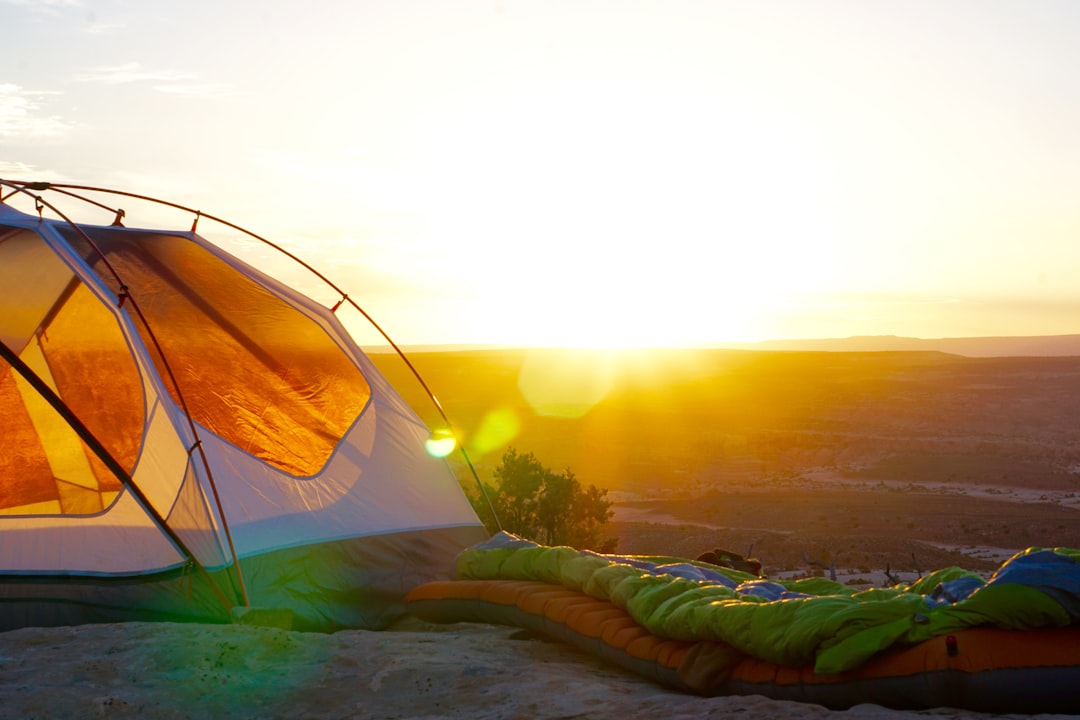
Camping at music and arts festivals is a summer staple for many, offering a unique blend of adventure, music, and social experiences. With festival season just around the corner, it's crucial to get a handle on the fundamental rules and tips for camping, ensuring you have an enjoyable and safe time.
Why Festivals Offer Camping
Many festivals, especially those that last for multiple days, offer camping facilities. This is not only to enhance the experience but also to make it more convenient for attendees. Camping at a festival allows you to immerse yourself fully in the event, stay close to the action, and not worry about daily travel. Some of the large-scale festivals known for their vibrant camping scenes include Glastonbury, Reading and Leeds, and Download Festival.
The Basic Rules of Festival Camping
Each festival has its own set of camping rules, which can usually be found on the event's official website. However, there are common rules that you are likely to encounter at most festivals:
- No Open Fires: Almost every festival prohibits open fires for safety reasons. This includes campfires and charcoal grills. However, many allow small camping stoves.
- Alcohol Limits: Many festivals allow you to bring your own alcohol, but usually only for consumption in the camping areas, and there are often limits on how much you can bring.
- Noise Curfews: While festivals are known for their bustling nature, many have noise curfew times during late-night hours to ensure everyone gets some rest.
- Waste Disposal: Festivals are increasingly pushing for sustainability. Leaving no trace by disposing of your waste properly and recycling is not just encouraged but often enforced.
The Real-Life Impact of Camping at Festivals for Teens
For many teenagers, camping at a festival is not just about seeing their favourite bands but also about gaining some independence in a controlled environment. It's a chance to meet new people, enjoy a shared passion for music and arts, and learn about responsibility and self-sufficiency. Camping can amplify the overall festival experience by fostering a sense of community and camaraderie among festival goers.
Preparation Tips for Festival Camping
Proper preparation can make the difference between a fantastic festival experience and a potential disaster. Here are some practical strategies to ensure you make the most of your festival camping:
Before the Festival
- check Rules and Pack Accordingly: Before heading out, make sure you know the festival's specific rules, especially regarding what you can bring into the camping area. Make a checklist of necessary items based on these rules.
- Pack Essentials: This includes a tent, sleeping bag, weather-appropriate clothing, a first-aid kit, and enough food and water. Don't forget hygiene essentials like wet wipes and hand sanitiser.
- Plan Your Meals: Think about simple, nutritious meals you can prepare with minimal cooking. Pack snacks and perhaps share the responsibility with friends if you're going in a group.
At the Festival
- Set Up Early: Arrive early to find a good camping spot, ideally on higher ground (which makes a big difference if it rains), close enough to the toilets for convenience but not so close that the odour or foot traffic disturbs you.
- Be Friendly But Cautious: While it's great to meet new people, do keep a close watch on your belongings. Invest in simple security measures like padlocks and be cautious with whom you share personal information.
- Follow Campsite Rules: Adhere strictly to the festival's camping rules to avoid any issues with festival security or fellow campers.
- check Weather Regularly: The British weather can be unpredictable. Keep an eye on forecasts and be prepared to adjust your plans if necessary.
Dealing with Common Camping Issues
Despite the best planning, you might encounter issues while camping at a festival. Here's how to handle some common problems:
- Rainy Weather: Make sure your tent is waterproof before you go and consider bringing extra tarps for additional shelter. Pack extra clothes and perhaps a waterproof bag for electronics and important documents.
- Loud Neighbours: Earplugs can be invaluable when you need some sleep, and there's a party happening outside your tent.
- Safety Concerns: Always let someone know where you are, travel in groups during late hours if possible, and keep your phone charged in case of emergencies.
By following these tips and rules, you can ensure a safer, more enjoyable festival camping experience that will leave you with lasting memories.
Final Thoughts
Festival camping can be a thrilling experience that offers much more than just music. It's an opportunity to grow, to make new friends, and to learn how to handle independence responsibly. By being aware of the rules and adequately preparing, you're setting yourself up for a positive adventure that you'll look back on fondly for years to come.
How are you feeling?
It is really important that when we need help, we feel able to ask for it. This could be speaking to a parent, a close friend, a teacher or someone else you trust. Sometimes it can be really hard to share our feelings with other people but if we are feeling low or don't know where to turn, sharing with others is really important. Teachers will always take you seriously and listen to your problems in confidence if you approach them for help. Likewise, parents, siblings or friends will help you if you reach out to them.
If you feel like you can't speak to anyone you know, there are people and organisations that can help support you:
- Childline - Call them on 0800 1111 any time of the day or night, every day of the week
- NSPCC - Call them on 0808 800 5000 between 10am and 4pm Monday to Friday or email them on help@NSPCC.org.uk
- The Samaritans – Call them on 116 123 any time of the day or night, every day of the week
- SANE – Call 0300 304 7000 for support (4:30pm - 10:30pm every day)
- Mind – Call 0300 123 3393 (9:00am - 6:00pm Monday to Friday)
*Sometimes we will use real life examples in our articles to aid understanding. When we do, names and ages will be changed.