

















Let's get started...
When you're in your teens, you might hear conversations or see stuff online that makes you curious about adult content, like porn. It's completely natural to be curious about many things as you grow up, including topics related to sex and relationships. However, when it comes to watching porn, there are some important things you should know and think about.What Exactly Is Pornography?
Pornography, often known as porn, refers to videos, pictures, or stories that display sexual content intended to arouse you ("turn you on"). Its purpose is primarily for adult entertainment. It's crucial to realise that porn is not a realistic portrayal of what relationships or sex really look like. It's often exaggerated and can give a misleading picture of how people actually interact with one another emotionally and physically. This is a real problem when you are young and exactly why laws exist to stop teenagers seeing it. When an adult views porn they can find it much easier to see what is real and what is not. When teenagers see porn they do not have the life experience to question it properly and this can lead to distress.Is it Legal for Teens to Watch Porn?
In the UK, it's illegal for anyone under the age of 18 to view porn. Websites showing pornographic material should have age verification checks to prevent underage access, although not all of them do this perfectly. This law isn't just a random rule; it exists to protect young people like yourself. Watching porn at a young age can affect how you think about relationships and sex in ways that might not be healthy.How Might Watching Porn Affect You?
Being exposed to pornography during your early teens can have a variety of impacts: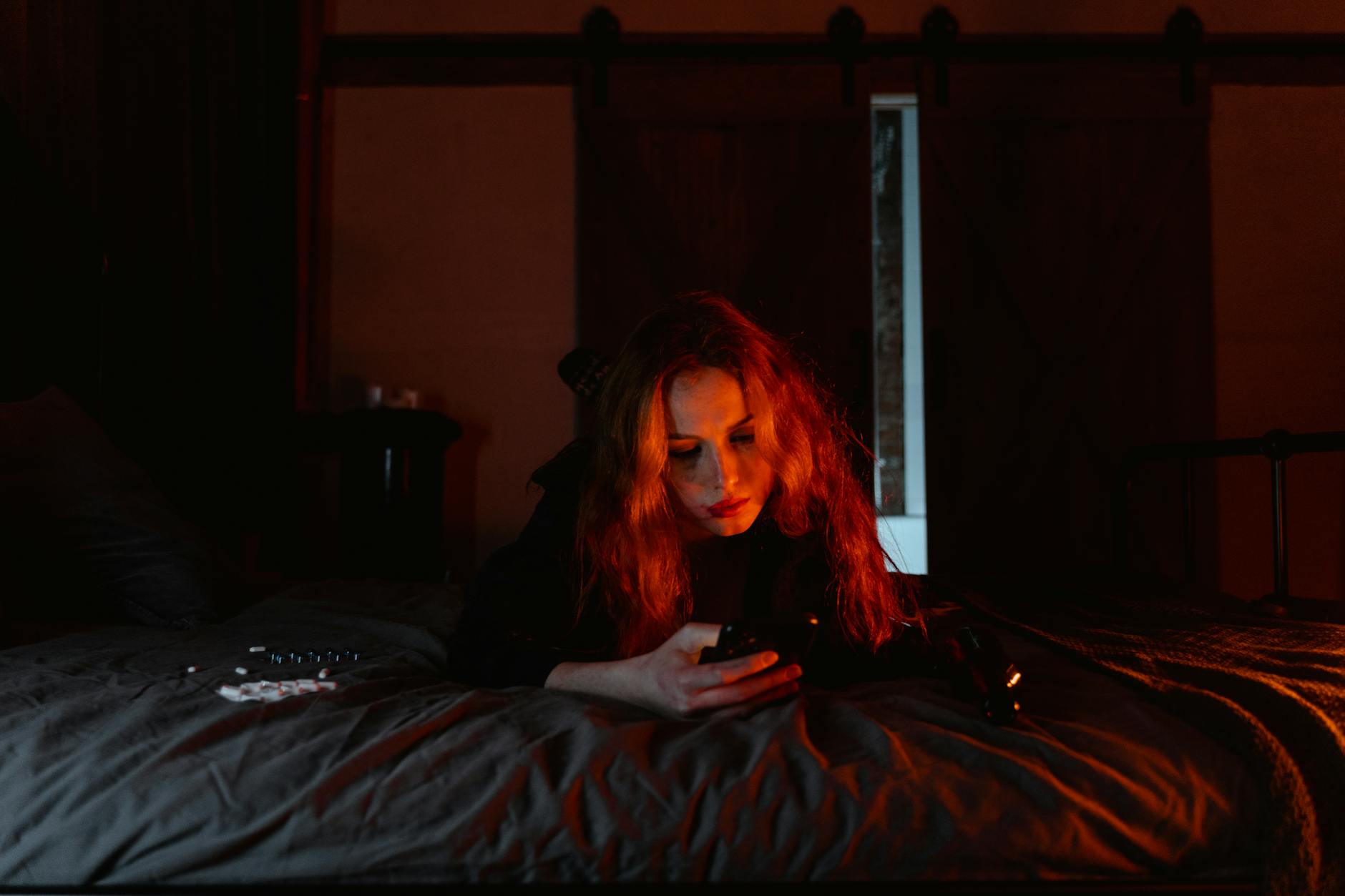
- Unrealistic Expectations: Porn often shows an unrealistic, and sometimes unhealthy, picture of how bodies look and how people should behave during sex. This can set false expectations for future sexual relationships. Any adult will agree that porn has very little similarities to the sexual experiences they have had. Porn isn't real - it is designed to excite viewers much like a Hollywood movie. You wouldn't watch Marvel characters flying around and think it was real, the same consideration needs to happen with porn.
- Affecting Brain Development: Your brain is still developing, and being exposed to explicit content can influence how you think about sex and intimacy.
- Impact on Relationships: Learning about sex through porn can lead to misunderstandings about consent, respect, and healthy sexuality in relationships.
Talking About Sexual Curiosity
It's normal to have questions and feelings about sex as you grow up. Rather than looking for answers in porn, try talking to a trusted friend or better still an adult, it could be a parent, an older sibling, a teacher, or a school counsellor. They can provide you with reliable information and answer your questions in a safe way. It is ok to see porn and have certain feelings but you should never try to learn anything from porn, it is not a reliable source of information.How to Handle Curiosity Healthily
Being curious about sex and relationships is part of growing up. Here are some positive and safe ways to explore these feelings:- Educational Resources: Look for websites that provide sex and relationships education. Websites like Brook and the NHS have sections for teens where you can learn about these topics in a safe, reliable way.
- Books and Magazines: There are many books and magazines designed to help teens understand their bodies and emotions. They provide factual information about sex, relationships, and growing up.
- Discussions in School: Pay attention in your PSHE (Personal, Social, Health and Economic) education classes. They often cover topics like relationships and sex in an age-appropriate way.
What to Do If You've Already Watched Porn
If you have already seen pornography, don't panic. It's important not to feel ashamed but to understand your feelings about it. Here's what you can do:- Talk About It: Discuss how you felt after watching it with someone you trust. This can help you sort through any confusion or distress you might be feeling.
- Reflect on What You Saw: Think about how unrealistic what you saw was. Remember, porn is not a real-life representation of sex or relationships.
- Learn the Facts: Educate yourself using reliable resources about what healthy relationships and sex are really like. This can help clear up any misinformation porn may have given you.
Conclusion
Remember, being curious is entirely normal, but how you choose to satisfy that curiosity makes a big difference. Opt for healthy, age-appropriate resources instead of risking legal issues and misunderstanding through watching porn. By discussing your thoughts and questions with trusted adults and using reliable sources of information, you can gain a much better and healthier understanding of sex and relationships.How are you feeling?
It is really important that when we need help, we feel able to ask for it. This could be speaking to a parent, a close friend, a teacher or someone else you trust. Sometimes it can be really hard to share our feelings with other people but if we are feeling low or don't know where to turn, sharing with others is really important. Teachers will always take you seriously and listen to your problems in confidence if you approach them for help. Likewise, parents, siblings or friends will help you if you reach out to them.
If you feel like you can't speak to anyone you know, there are people and organisations that can help support you:
- Childline - Call them on 0800 1111 any time of the day or night, every day of the week
- NSPCC - Call them on 0808 800 5000 between 10am and 4pm Monday to Friday or email them on help@NSPCC.org.uk
- The Samaritans – Call them on 116 123 any time of the day or night, every day of the week
- SANE – Call 0300 304 7000 for support (4:30pm - 10:30pm every day)
- Mind – Call 0300 123 3393 (9:00am - 6:00pm Monday to Friday)
*Sometimes we will use real life examples in our articles to aid understanding. When we do, names and ages will be changed.
