

















Let's get started...
Understanding Breakups: Why They Happen
Breakups are a natural part of relationships, especially as you explore who you are and what you want out of life and love during your teenage years. Relationships might end for many reasons: differences in interests, changes in feelings, conflicts that can't be resolved, or simply because both or one of you are moving in a different direction in life. Recognising that breakups can happen to anyone and are often a part of growing up is essential in coping with the emotional impact.
The Emotional Impact of a Breakup
When you go through a breakup, it might feel like your world is turning upside down. You may experience a range of emotions such as sadness, anger, confusion, or relief. These feelings are normal; a breakup is a significant change and can cause an emotional turmoil. For teens, who are still discovering their emotional selves, the impact can feel even more amplified, affecting school performance, friendships, and family life.
Strategies for Coping with a Breakup
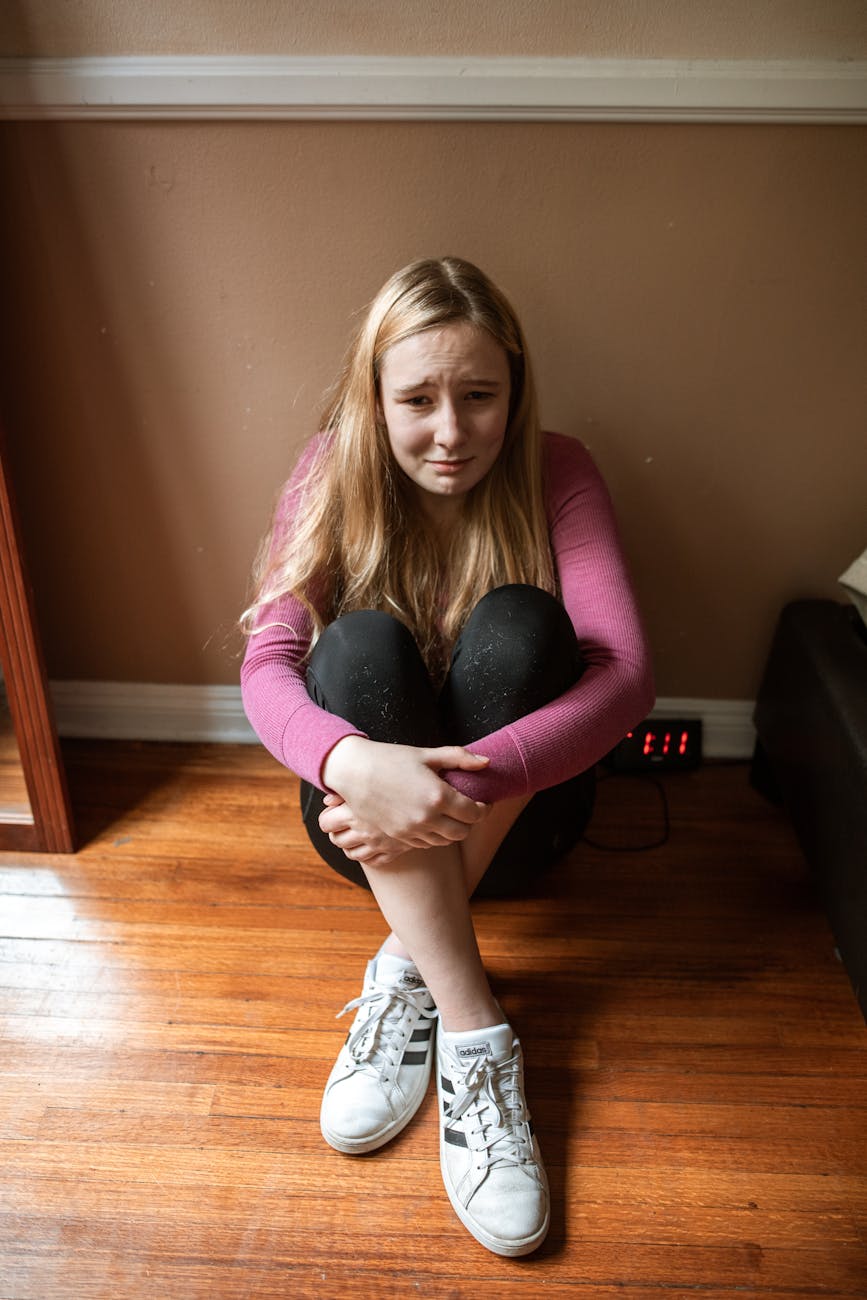
1. Allow Yourself to Grieve
It's okay to feel upset about the end of a relationship. Allow yourself to grieve and process the loss. This might involve crying, writing down your thoughts, or talking to someone you trust about your feelings.
2. Keep Up with Routine and Activities
Maintain your daily routine and continue to engage in activities you enjoy. This might be hanging out with friends, doing your hobbies, or playing sports. Keeping active not only helps distract you from negative thoughts but also boosts your mood and overall well-being.
3. Avoid Contact with Your Ex
Directly after the breakup, it's generally wise to avoid contact with your ex. This helps to clear your mind and heal without the constant reminder of what was lost. This means no texting, calling, or checking up on social media.
4. Reframe Your Mindset
Try to view the breakup as a learning experience. Ask yourself what you can learn from this relationship that can help you grow as a person. Maybe you discovered what qualities you value in a partner or learned more about how you handle conflict.
5. Seek Support
Reach out to friends, family, or possibly a counsellor. Talking through your feelings with others can help validate your feelings and provide comfort. Sometimes, just knowing someone is there to listen can make a huge difference.
6. Take Care of Your Body
Physical health has a big impact on emotional health. Try to get enough sleep, eat well, and exercise. These activities can help stabilise your mood and reduce stress.
7. Give It Time
Healing from a breakup doesn't happen overnight. Give yourself time to adjust to your new situation. It's okay not to feel okay immediately.
Dealing with Practical Matters Post-Breakup
Post-breakup, you might have to deal with practical issues, especially if you were closely linked by daily routines or shared friendship circles.
Changing Social Patterns
If your social life was tightly woven with your ex-partner's, consider widening your social circle or spending more time with other friends. It's important to maintain social connections as they can support you through this time.
Respecting Mutual Friends
Try to keep mutual friends out of the breakup politics. It's healthier for everyone if you avoid putting friends in a position where they feel like they have to choose sides.
Conclusion
A breakup can be a deeply painful experience, but it's also a significant opportunity for personal growth and self-discovery. By adopting a proactive approach and seeking support where needed, you can navigate this challenging time and emerge stronger. Whatever you do, remember that it's a process, and being kind to yourself is vital.
How are you feeling?
It is really important that when we need help, we feel able to ask for it. This could be speaking to a parent, a close friend, a teacher or someone else you trust. Sometimes it can be really hard to share our feelings with other people but if we are feeling low or don't know where to turn, sharing with others is really important. Teachers will always take you seriously and listen to your problems in confidence if you approach them for help. Likewise, parents, siblings or friends will help you if you reach out to them.
If you feel like you can't speak to anyone you know, there are people and organisations that can help support you:
- Childline - Call them on 0800 1111 any time of the day or night, every day of the week
- NSPCC - Call them on 0808 800 5000 between 10am and 4pm Monday to Friday or email them on help@NSPCC.org.uk
- The Samaritans – Call them on 116 123 any time of the day or night, every day of the week
- SANE – Call 0300 304 7000 for support (4:30pm - 10:30pm every day)
- Mind – Call 0300 123 3393 (9:00am - 6:00pm Monday to Friday)
*Sometimes we will use real life examples in our articles to aid understanding. When we do, names and ages will be changed.
