

















Let's get started...
Feeling left out is something that almost everyone experiences at some point in their lives, especially during the teenage years. This can happen in different settings, such as at school, within friendship groups, in sports teams, or even at home. Understanding why it happens and how to deal with it can help you manage these feelings and improve your social connections.
Understanding the Feelings of Being Left Out
Feeling excluded or isolated can lead to feelings of loneliness, sadness, or even anger. The teenage years are particularly sensitive because this is when social circles and friendships become more significant and impactful. Often, the feeling of being left out can stem from various scenarios such as not being invited to a social gathering, being overlooked in school activities, or simply feeling unnoticed or unappreciated by peers.
Social media can amplify these feelings. Seeing posts, pictures, or videos of peers enjoying activities where you're not included can intensify feelings of exclusion. It's important to remember that social media often represents a curated version of life, focusing primarily on high points and seldom reflecting the full reality of people's lives.
Real-Life Impact on Young People
The impact of feeling left out can be profound. Emotionally, it can lead to decreased self-esteem and heightened self-criticism. Social rejection activates the same pathways in the brain that physical pain does, which is why being excluded can literally feel painful. Academically, these feelings can lead to a lack of concentration and a drop in performance, as a lot of mental energy is spent on processing feelings of exclusion.
In the long run, if not addressed, chronic feelings of being left out can lead to more serious mental health issues like depression or anxiety. This highlights the importance of dealing with these feelings constructively and proactively.
Practical Strategies to Cope with Being Left Out
Dealing with feelings of exclusion requires both internal management of emotions and external actions to improve your social situation. Here are some practical ways to tackle this issue:
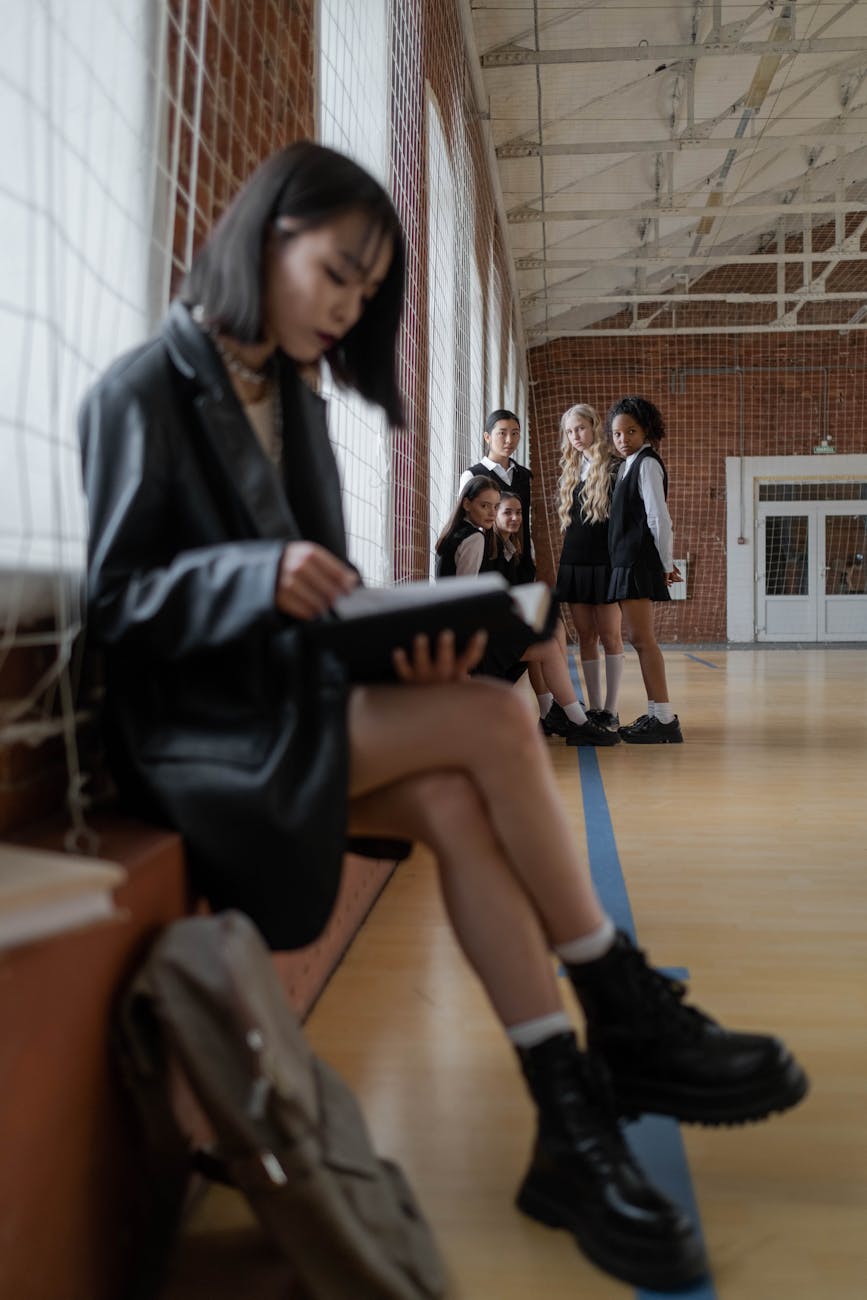
1. Reflect on Your Feelings
Understanding why you feel left out is a crucial first step. Reflect on the situation and your feelings. Sometimes, what feels like exclusion is actually a misinterpretation of a situation. Try to objectively assess whether you were intentionally excluded or if perhaps it was an oversight or a misunderstanding.
2. Communicate Your Feelings
If you feel safe doing so, express your feelings to the person or people involved. Use "I" statements to avoid sounding accusatory. For example, say "I felt hurt when I wasn't included in the trip into town last weekend." Communication can often clear up misunderstandings and can help others understand your perspective.
3. Broaden Your Social Network
If you repeatedly feel left out by a particular group, it might be helpful to diversify your social circles. Take up new activities or clubs to meet different people. Not only does this increase your chances of making new friends, but it also reduces the emotional impact of being excluded from one particular group.
4. Focus on Self-Improvement
Engage in activities that boost your self-confidence and personal growth. Whether it's picking up a new hobby, learning a new skill, or simply setting personal goals, self-improvement can boost your self-esteem and make you feel less dependent on the approval of specific friendship groups.
5. Seek Support
It's important to have a support system. Talk to trusted friends, family members, or even a counsellor about your feelings. They can offer advice, support, and a different perspective on the situation.
6. Practise Resilience and Positivity
Building resilience can help you better cope with feelings of rejection. Focus on the positives in your life and practise gratitude. Resilience doesn't mean you won't feel the pain of exclusion, but it will help you recover more quickly and fully from these setbacks.
Conclusion
Feeling left out is not unusual, but it's essential to address these feelings constructively. By understanding the reasons behind your feelings, communicating effectively, expanding your social friendships, focusing on personal growth, seeking support, and building resilience, you can minimise the impact of exclusion and strengthen your emotional well-being. Remember, it's okay to seek help if the problem feels too big to handle alone.
How are you feeling?
It is really important that when we need help, we feel able to ask for it. This could be speaking to a parent, a close friend, a teacher or someone else you trust. Sometimes it can be really hard to share our feelings with other people but if we are feeling low or don't know where to turn, sharing with others is really important. Teachers will always take you seriously and listen to your problems in confidence if you approach them for help. Likewise, parents, siblings or friends will help you if you reach out to them.
If you feel like you can't speak to anyone you know, there are people and organisations that can help support you:
- Childline - Call them on 0800 1111 any time of the day or night, every day of the week
- NSPCC - Call them on 0808 800 5000 between 10am and 4pm Monday to Friday or email them on help@NSPCC.org.uk
- The Samaritans – Call them on 116 123 any time of the day or night, every day of the week
- SANE – Call 0300 304 7000 for support (4:30pm - 10:30pm every day)
- Mind – Call 0300 123 3393 (9:00am - 6:00pm Monday to Friday)
*Sometimes we will use real life examples in our articles to aid understanding. When we do, names and ages will be changed.
