

















Let's get started...
Understanding the Importance of Friendship
Friendship is a vital component of our social lives, especially during the teenage years. These relationships provide support, joy, and companionship, and are crucial for emotional and social development. Friends influence many aspects of our lives, including our choices, behaviours, and even our future educational or career paths. With friendships having such a significant impact, knowing how to be a good friend is essential.
The Qualities of a Good Friend
Being a good friend isn't always intuitive; it often requires effort, understanding, and patience. A key quality of a good friend is reliability. Friends count on each other for support and trust that they will be there in times of need. Another important trait is honesty. Good friends tell each other the truth and give constructive feedback when necessary.
Additionally, good friends are empathetic. They strive to understand what their friends are feeling and offer support without judgment. They celebrate their friends' successes and help them through failures. A good friend also respects boundaries and understands the importance of personal space and privacy.
Real-Life Impact on Teens
For teenagers, friendships can shape how they view themselves and interact with the world. A supportive friendship group can boost self-esteem and encourage positive social interactions. These relationships also help teens develop important life skills such as communication, conflict resolution, and empathy.
On the other hand, negative friendship experiences, like peer pressure or toxic relationships, can harm a teen's mental health and self-confidence. So, being surrounded by good friends and also being a good friend yourself, can have a profound influence on your life and the lives of others.
How to Cultivate Positive Friendships
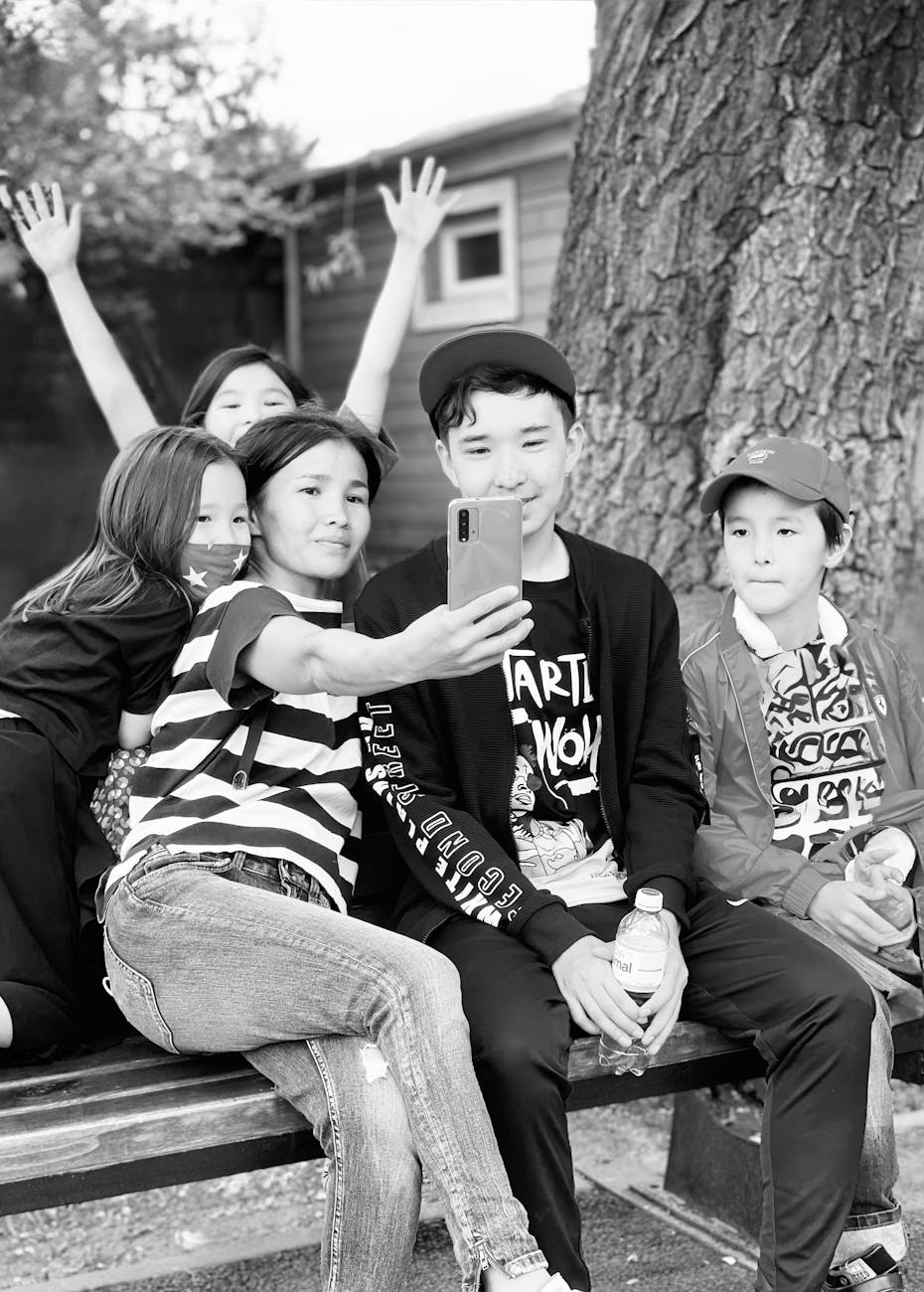
Communication is Key
Open and honest communication is the cornerstone of any good friendship. Regularly check in with your friends, ask how they are doing, and share your own feelings. This not only strengthens the bond but also creates a supportive environment.
Be Supportive
Everyone faces challenges and difficult times. Being there for your friends when they need you, whether it's lending an ear, giving advice, or physically helping them, shows that you care and value the friendship.
Show Appreciation
Everyone likes to feel appreciated. Simple gestures like saying thank you, acknowledging your friend's achievements, or even celebrating important dates (like birthdays or personal accomplishments) can make your friends feel valued and appreciated.
Set and Respect Boundaries
Understanding and respecting each other's boundaries is critical in any relationship. Have open discussions about what is comfortable and what is not, and always respect the limits that are set.
Resolve Conflicts Maturely
Conflicts are natural, but handling them poorly can harm the friendship. Approach conflicts with the intent to resolve them, a calm discussion can often clear up misunderstandings. Remember, the goal is to solve the problem, not to win the argument.
Practical Strategies for Being a Better Friend
Engage in Shared Activities
Take part in activities that both you and your friends enjoy. This not only means you are having fun together but also strengthens the connection between you.
Be a Good Listener
Active listening is more than just hearing the words your friends say. It's about understanding the emotions behind the words. Show that you are listening by giving feedback, nodding, or rephrasing what your friend has said for clarity.
Be There During the Low Moments
It's easy to be there during the good times, but a true friend stands by their friends even during the low moments. Whether your friend is dealing with a family issue, school stress, or any other problem, showing that you're there for them can make a huge difference.
Being a great friend isn't just about following a list of steps; it's about genuinely caring and investing in your friendships. Like any relationship, friendships require time, effort, and care to thrive. When practiced regularly, these strategies can help you build and maintain strong, healthy, and fulfilling friendships that could last a lifetime.
How are you feeling?
It is really important that when we need help, we feel able to ask for it. This could be speaking to a parent, a close friend, a teacher or someone else you trust. Sometimes it can be really hard to share our feelings with other people but if we are feeling low or don't know where to turn, sharing with others is really important. Teachers will always take you seriously and listen to your problems in confidence if you approach them for help. Likewise, parents, siblings or friends will help you if you reach out to them.
If you feel like you can't speak to anyone you know, there are people and organisations that can help support you:
- Childline - Call them on 0800 1111 any time of the day or night, every day of the week
- NSPCC - Call them on 0808 800 5000 between 10am and 4pm Monday to Friday or email them on help@NSPCC.org.uk
- The Samaritans – Call them on 116 123 any time of the day or night, every day of the week
- SANE – Call 0300 304 7000 for support (4:30pm - 10:30pm every day)
- Mind – Call 0300 123 3393 (9:00am - 6:00pm Monday to Friday)
*Sometimes we will use real life examples in our articles to aid understanding. When we do, names and ages will be changed.
