

















Let's get started...
Breaking up with someone isn't easy, whether you're the one ending things or on the receiving end. The way you choose to break up with someone can really affect how both you and the other person feel about it afterwards. So, let's unpack the different ways you can break up with someone specifically comparing doing it in real life (IRL) to doing it over text and discuss the pros, cons, and which method might be better under different circumstances. Plus, we'll explore some strategies for handling breakups maturely and kindly.Understanding Breakups
First up, it's worth recognising that all relationships are different, and so is every breakup. The reasons for breaking up, whether it's because you've grown apart, have different goals, or just don't feel that spark anymore, can influence how you might want to go about ending things.Breaking Up in Real Life
Historically, breaking up face-to-face is seen as the most respectful and clear way to end a relationship. Here's a look at why this might be favoured: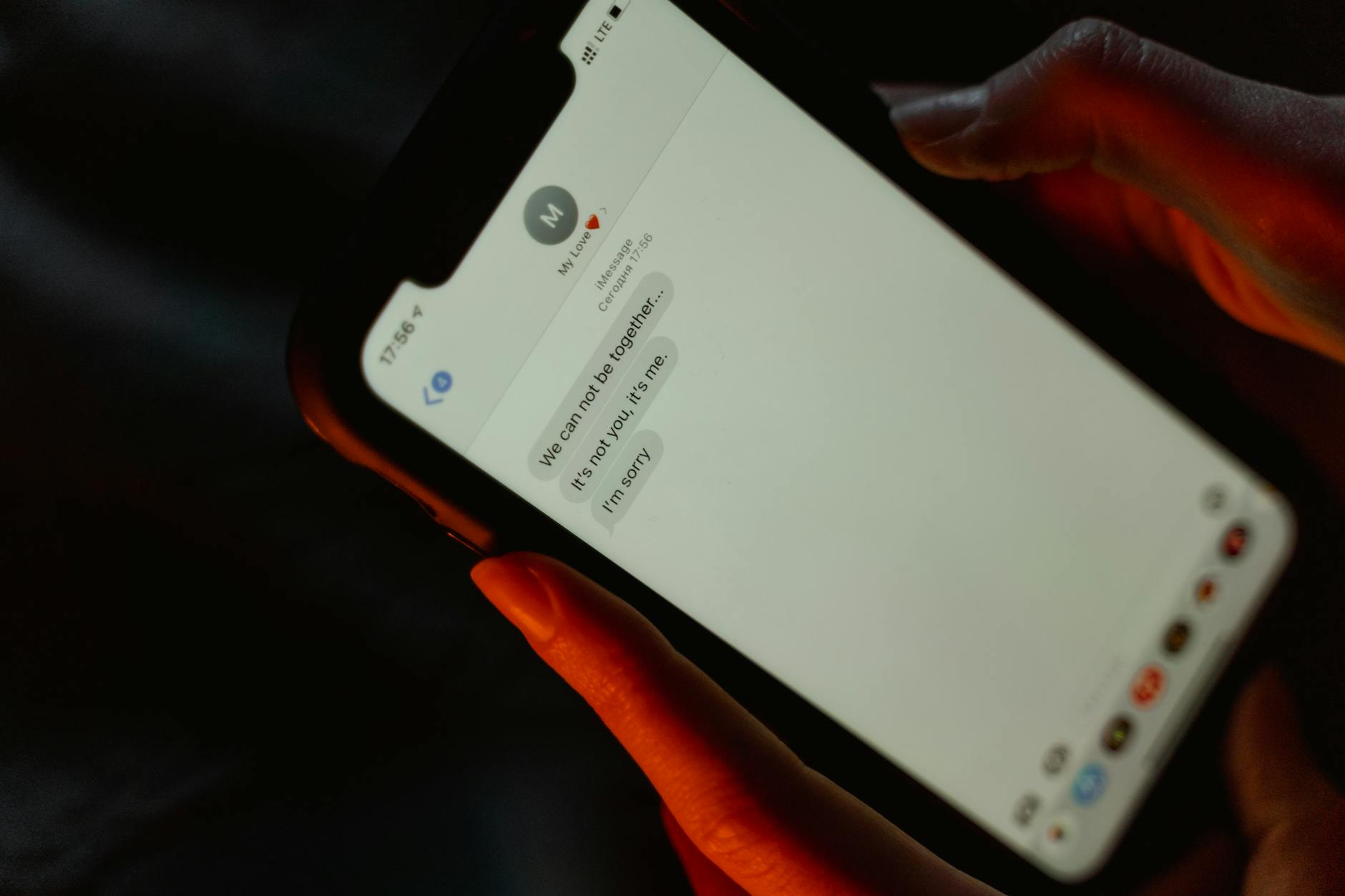
- Personal touch: Doing it in person means you can convey empathy and sincerity more easily. It shows respect and honours the relationship you had.
- Clear communication: It's easier to discuss things clearly and answer any questions the other person might have. This can help avoid misunderstandings that texts might cause.
- Immediate closure: Both of you can express what you feel, making it potentially easier to find closure. Seeing each other's reactions can also help you understand the emotional impact of the breakup.
- Opportunity for a mature end: Handling a tough situation like a breakup face-to-face can contribute to personal growth and maturity.
However, breaking up in person can be really tough. It requires a lot of courage to face the other person and manage a potentially emotional conversation. It can also be inappropriate if the relationship was abusive or if the conversation could lead to a harmful situation.
Breaking Up Over Text
Nowadays, with so many relationships living partly online, breaking up over text is becoming more common. Here are some reasons you might consider it:- Distance: Sometimes you're not physically close enough to the person to meet in person easily. If it's a long-distance relationship, a text might be more practical.
- Avoiding conflict: If you're worried that the conversation might become too heated or emotional, breaking up over text can feel safer.
- Less immediate pressure: Both people can have some space and time to process the breakup before responding.
However, breaking up via text often feels impersonal and can seem insincere or uncaring. It can also lead to miscommunication because you can't convey tone or emotion as effectively as in person. Plus, it might leave the other person with lots of unanswered questions and feelings of unresolved issues.
When Might Each Method Be Appropriate?
Choosing the right way to break up depends on your specific situation. Here's some guidance to help you decide:- If the relationship was short and mostly casual, and if you both communicated a lot digitally, then breaking up over text might be more acceptable.
- If your relationship was more intimate or long-term, a face-to-face breakup is usually the kinder, more respectful choice.
- If there's a potential for the situation to become unsafe or very distressing, consider your safety first, and choose a method that keeps you protected. Sometimes, this might mean breaking up in a public place, or via a phone call or text.
Tips for Handling a Breakup Maturely
No matter how you choose to do it, there are some ways you can ensure you handle the breakup maturely and kindly:- Be honest but gentle: Share your feelings honestly but avoid being overly harsh. Use "I" statements like "I feel" or "I think" to express your feelings without blaming the other person.
- Give them space: After the breakup, give each other some space. This means not checking up on them on social media or texting them right away. Everyone needs time to heal.
- Stay respectful: No matter how upset you are, try to remain respectful. Avoid gossiping about the other person or airing your issues publicly.
- Seek support: Talk to friends or family about how you're feeling. Getting support is crucial when you're dealing with the end of a relationship.
Breaking up is never easy, but choosing the right way to do it can make it a bit less painful for everyone involved. Think about what the relationship has been like and how you can respectfully convey your feelings, whether it's in person or over text.
How are you feeling?
It is really important that when we need help, we feel able to ask for it. This could be speaking to a parent, a close friend, a teacher or someone else you trust. Sometimes it can be really hard to share our feelings with other people but if we are feeling low or don't know where to turn, sharing with others is really important. Teachers will always take you seriously and listen to your problems in confidence if you approach them for help. Likewise, parents, siblings or friends will help you if you reach out to them.
If you feel like you can't speak to anyone you know, there are people and organisations that can help support you:
- Childline - Call them on 0800 1111 any time of the day or night, every day of the week
- NSPCC - Call them on 0808 800 5000 between 10am and 4pm Monday to Friday or email them on help@NSPCC.org.uk
- The Samaritans – Call them on 116 123 any time of the day or night, every day of the week
- SANE – Call 0300 304 7000 for support (4:30pm - 10:30pm every day)
- Mind – Call 0300 123 3393 (9:00am - 6:00pm Monday to Friday)
*Sometimes we will use real life examples in our articles to aid understanding. When we do, names and ages will be changed.
