

















Let's get started...
Friendships play a huge part in our lives, especially during our teenage years. They not only provide fun and companionship but also help shape who we are. However, not all friendships last forever, and when they end, it can really hurt. Understanding why friendships end and learning how to deal with that can make a big difference in how you feel and grow from the experience.
Why Friendships End
Friendships can end for many reasons. Sometimes you or your friends might change, and suddenly you don't have as much in common as you used to. Interests can shift, or different schools and activities can pull you apart. Other times, misunderstandings or arguments can lead to a friendship breaking down. It's a natural part of life, although it can be tough to accept at first.
The Impact of Losing a Friend
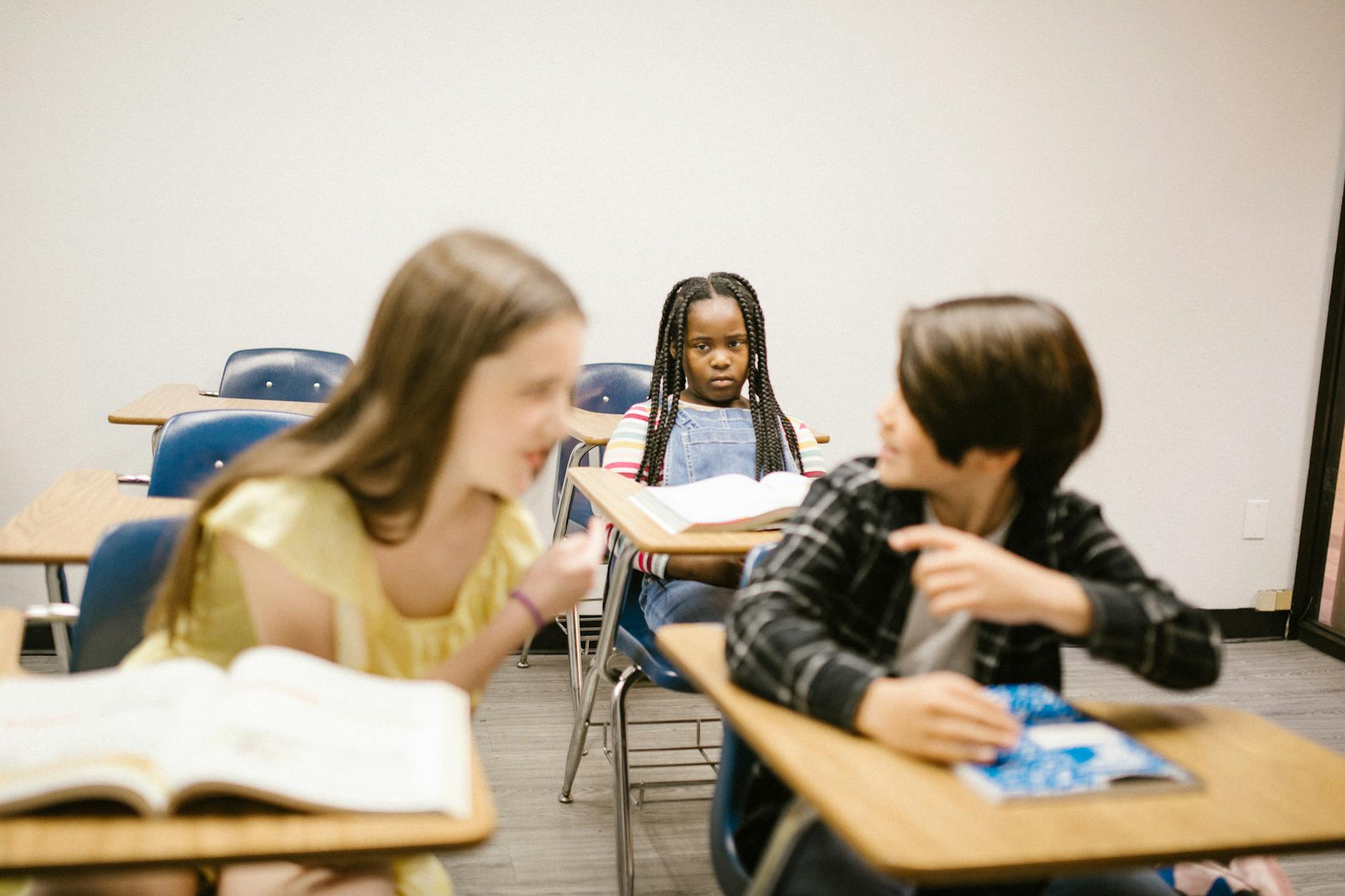
When a friendship ends, it's normal to feel a mix of emotions. You might feel sad, confused, or even angry. That's all part of grieving the loss of a friend. Just like when you lose anything important in your life, it takes time to get used to the change. You might miss having that person to talk to or share moments with, which can make you feel quite lonely or left out.
Grieving a Lost Friendship
Grieving after a friendship ends is a healthy way to deal with your feelings. It's okay to feel sad about it, and it's important to let yourself feel these emotions rather than bottling them up. Here are some ways to help you through the grieving process:
- Talk about it: Discussing your feelings with someone you trust, like a family member, another friend, or a teacher, can make a big difference. It helps to know someone else understands what you're going through.
- Express yourself: Sometimes it's easier to express your feelings through activities rather than talking. You might find that drawing, writing, or playing sports helps you process your emotions.
- Keep a routine: Sticking to your regular activities can provide a sense of normality and security. It can be anything from attending school, joining clubs, or sticking with your usual weekend plans.
- Remember the good times: Even though the friendship has ended, you can still cherish the good memories. This can also help you to see what you value in friendships, guiding you in future relationships.
Learning and Growing from the Experience
Every experience in our lives, including the end of a friendship, offers a chance to learn and grow. Here are some ways to find growth after you've lost a friend:
- Reflect on the friendship: Think about what made the friendship work and what didn't. This can help you understand better what you are looking for in other friendships.
- Improve communication skills: If misunderstandings or disagreements led to the friendship ending, think about how you might handle things differently in the future. Practising better communication skills can help you in new relationships.
- Focus on other relationships: When one friendship ends, it doesn't mean all your relationships are doomed. Spend time with other friends and family those relationships are still important.
- Stay open to new friendships: Just because you have lost a friend doesn't mean you'll never make another one. Stay open to meeting new people and making new connections. You might find wonderful and supportive new friends.
Your Emotions Are Valid
Remember, feeling upset or sad about a friendship ending is completely normal. These emotions are a part of who you are and a sign that you cared about your friendship. Give yourself permission to feel whatever you feel without judgement.
Practical Strategies to Deal with a Friendship Breakup
Lastly, here are some practical steps to help you cope with the end of a friendship:
- Give yourself time: Don't rush your feelings. Allow yourself time to grieve and heal.
- Write it down: Writing about your feelings or writing a letter to your friend that you don't send can be very therapeutic.
- Stay social: Keep in contact with other friends and don't isolate yourself. Socialising can often help lift your spirits.
- Seek support if needed: If you're having a particularly tough time, it might help to talk to a professional such as a counsellor or therapist.
Friendships ending is part of growing up, but it shouldn't define your future. Each friendship gives you tools and experiences that help shape your ongoing relationships. With every ended friendship comes an opportunity for personal growth and understanding more about yourself and the connections you value.
How are you feeling?
It is really important that when we need help, we feel able to ask for it. This could be speaking to a parent, a close friend, a teacher or someone else you trust. Sometimes it can be really hard to share our feelings with other people but if we are feeling low or don't know where to turn, sharing with others is really important. Teachers will always take you seriously and listen to your problems in confidence if you approach them for help. Likewise, parents, siblings or friends will help you if you reach out to them.
If you feel like you can't speak to anyone you know, there are people and organisations that can help support you:
- Childline - Call them on 0800 1111 any time of the day or night, every day of the week
- NSPCC - Call them on 0808 800 5000 between 10am and 4pm Monday to Friday or email them on help@NSPCC.org.uk
- The Samaritans – Call them on 116 123 any time of the day or night, every day of the week
- SANE – Call 0300 304 7000 for support (4:30pm - 10:30pm every day)
- Mind – Call 0300 123 3393 (9:00am - 6:00pm Monday to Friday)
*Sometimes we will use real life examples in our articles to aid understanding. When we do, names and ages will be changed.
