

















Let's get started...
Bullying is a serious issue that affects countless young people across the UK and around the world. It can be deeply distressing to witness someone else being bullied, whether it happens at school, in public, or online. Understanding the background of bullying, it's impact on victims and bystanders, and knowing the right steps to take can make a significant difference in knowing what to do.
Understanding Bullying
Bullying involves repeated aggressive behaviour intended to hurt or intimidate another person physically, emotionally, or mentally. It's not just about a one-off conflict or fight; it involves an ongoing misuse of power that can have long-term psychological effect. This behaviour can happen anywhere, including at school, online spaces, and social events, making it an important issue.
There are several forms of bullying:
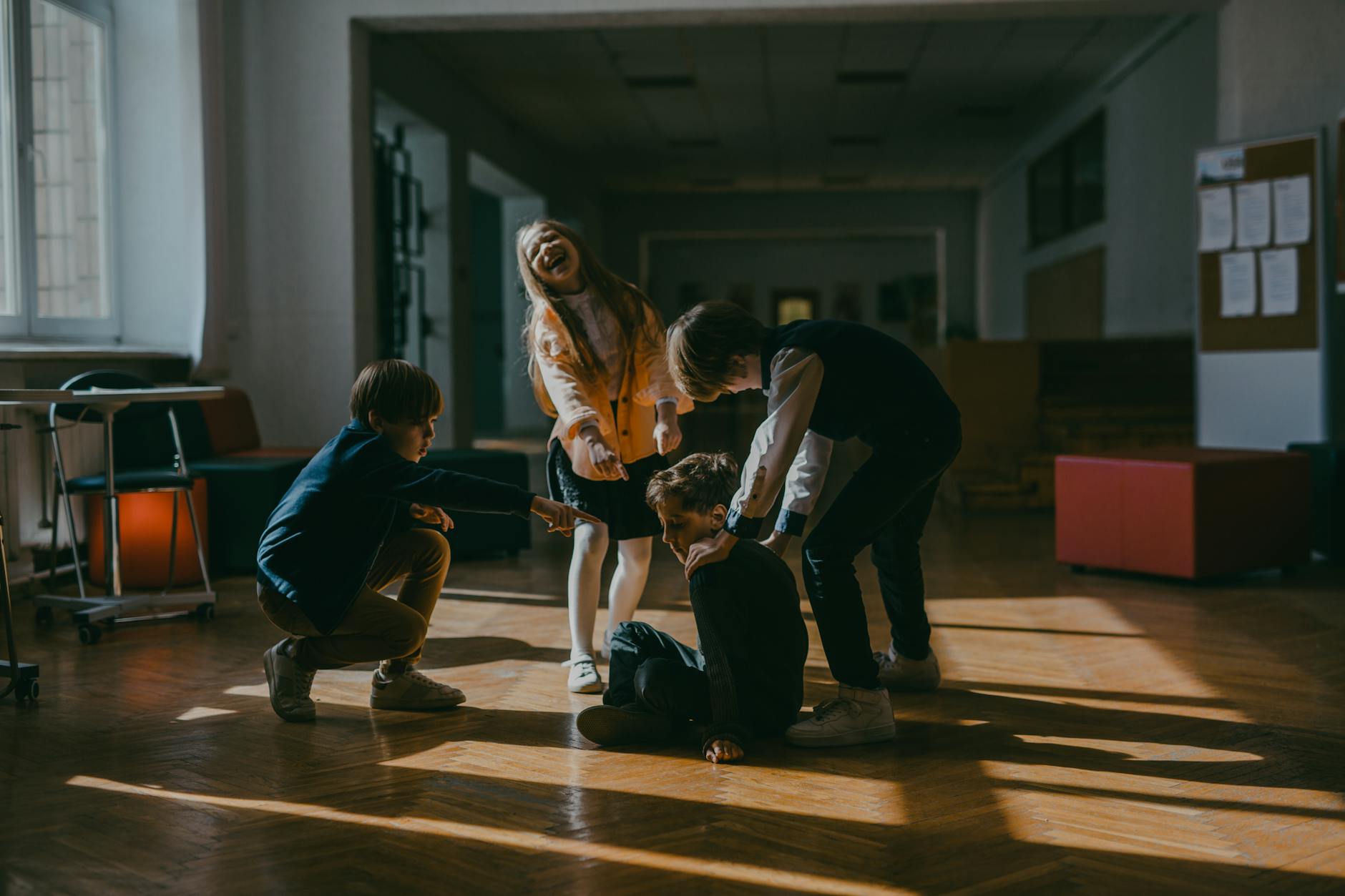
- Physical bullying - hitting, kicking, or causing physical harm.
- Verbal bullying - name-calling, insults, or making offensive remarks.
- Social bullying - spreading rumours, embarrassing someone in public, or social exclusion.
- Cyberbullying - using digital platforms to harm others, such as through social media, text messages, or email.
The Impact of Witnessing Bullying
Seeing someone else being bullied can be as upsetting for witnesses as it is for the victim. Bystanders often feel anger, fear, and helplessness, not knowing how or whether to intervene. Witnessing such acts can also lead to feelings of guilt, particularly if the bystander feels unable to stop the bullying or believes they should have done more to help.
Moreover, bystanders who fail to act might actually contribute to the ongoing behaviour. The bully might interpret silence as approval or as a sign that they can continue their behaviour without consequences.
Practical Strategies for Dealing with Bullying
If you see someone being bullied, here are several steps you can take to support the victim and address the situation:
1. Assess the Situation
Quickly assess the situation to ensure safety. If physical harm is involved or if you feel there's a threat of serious violence, it's important to seek help from a trusted adult or authority figure immediately. Your safety is also important, and intervening directly might not always be the safest option.
2. Support the Victim
If it is safe to do so, stand with the victim and let them know they are not alone. Sometimes, merely standing with them can discourage the bully. After the incident, talk to the victim and offer your support. Let them know that it's not their fault and encourage them to speak with someone who can help.
3. Report the Bullying
Notify a trusted adult about the incident. This could be a teacher, school counsellor, parent, or someone else who can take action. Reporting the bullying does not mean you are tattling - it means you are taking steps to end the harmful behaviour.
4. Document the Incident
If possible, keep a record of bullying incidents, as this can be helpful when reporting the situation. If the bullying happens online, screenshots can be very useful in showing exactly what happened.
5. Encourage an Inclusive Environment
Promote and participate in activities that foster inclusiveness and respect within your community. Be a role model in your own interactions, and challenge any stereotypes or negative behaviours around you politely and confidently.
6. Engage in Peer Support Initiatives
Join or start peer support groups that advocates for anti-bullying. These groups can provide education on bullying, promote awareness, and offer support and friendship to those who have been affected.
7. Learn and Share Knowledge about Bullying
Educate yourself about the causes, effects, and the best responses to bullying. Share this knowledge with friends and family to ensure they know how to act if they find themselves in similar situations.
Conclusion
Witnessing bullying can be emotionally challenging and confusing. However, understanding the role of a bystander and the impact your actions can have is crucial. By being prepared and knowing what steps to take, you can be part of the solution. Encouraging a supportive, inclusive, and responsive environment is key to combating bullying in any community.
How are you feeling?
It is really important that when we need help, we feel able to ask for it. This could be speaking to a parent, a close friend, a teacher or someone else you trust. Sometimes it can be really hard to share our feelings with other people but if we are feeling low or don't know where to turn, sharing with others is really important. Teachers will always take you seriously and listen to your problems in confidence if you approach them for help. Likewise, parents, siblings or friends will help you if you reach out to them.
If you feel like you can't speak to anyone you know, there are people and organisations that can help support you:
- Childline - Call them on 0800 1111 any time of the day or night, every day of the week
- NSPCC - Call them on 0808 800 5000 between 10am and 4pm Monday to Friday or email them on help@NSPCC.org.uk
- The Samaritans – Call them on 116 123 any time of the day or night, every day of the week
- SANE – Call 0300 304 7000 for support (4:30pm - 10:30pm every day)
- Mind – Call 0300 123 3393 (9:00am - 6:00pm Monday to Friday)
*Sometimes we will use real life examples in our articles to aid understanding. When we do, names and ages will be changed.
