

















Let's get started...
It's happened to nearly everyone with a phone and a list of contacts. You send a message, anxiously await a reply, and then... nothing. The dreaded double blue tick on WhatsApp or the 'Seen' indicator on other messaging apps your message has been read, but there's no response. Especially as a teenager, when friendships and social circles are super important, being left on 'read' can feel particularly tough.
Understanding Why People Don't Respond
Before diving into how it affects you or what you might do about it, let's consider why people might not reply. First off, it's usually not as personal as it feels. Here are a few reasons someone might not answer:
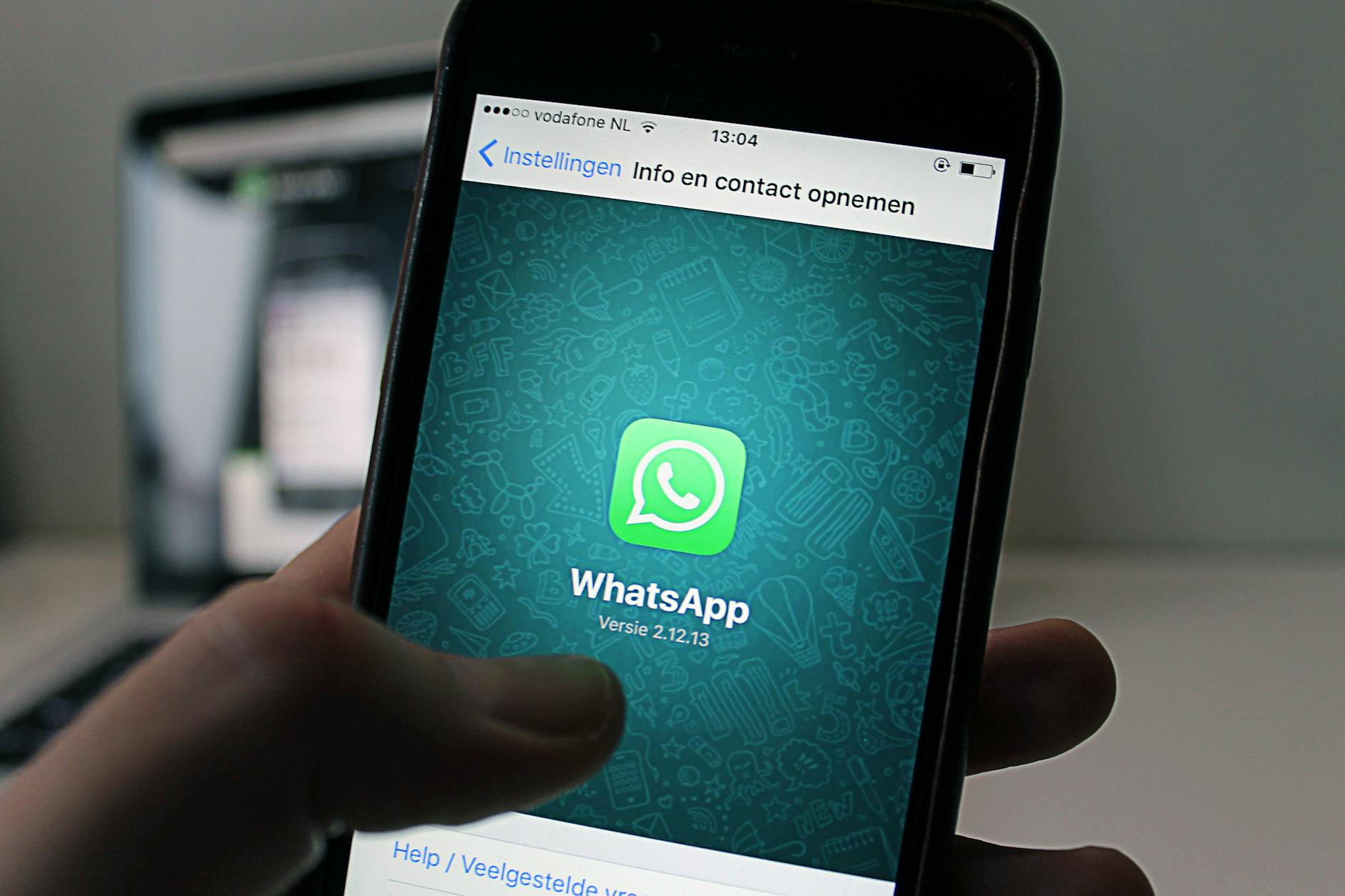
- They're busy: Sometimes, people read messages while they're in the middle of something else and plan to respond later but then forget.
- They don't know what to say: If your message was vague or if you asked a hard question, they might need time to think about their response.
- Technical issues: It's rare, but sometimes messages show as read even when they haven't been seen due to glitches.
- They're feeling overwhelmed: Everyone has a lot on their plate, and sometimes replying to messages can feel like a task they can't face right away.
Understanding that there are numerous reasons, many of which aren't related to how they feel about you, can help lessen the sting of that unreplied message.
How It Might Feel When You're Left on Read
Feeling ignored can make you question your relationship with the person who didn't reply. You might feel anxious or jump to conclusions that they're upset with you or that you've done something wrong. Especially at 14, when you're figuring things out about friendships and how you fit into larger social circles, this can feel pretty big and even affect your self-esteem.
It's normal to want closure and acknowledgement in conversations, so when that doesn't happen, it can leave you feeling unsettled or insecure.
Practical Strategies to Handle Being Left on Read
Here are some tips on what to do when your messages are met with silence:
1. Give It Time
Wait a bit before jumping to conclusions. Sometimes people need a little more time to sort through their thoughts or manage their schedules. Give them a day or two you might be surprised when they eventually respond.
2. Follow Up Politely
If it's been a while and you're worried they might have forgotten your message, it's okay to send a polite follow-up. Something simple like, "Hey, just checking in to see if you got my last message. Hope all is well!" can prompt a response without sounding too demanding.
3. Distract Yourself
It can be easy to obsess over why you haven't gotten a reply, but this often just leads to more stress. Try to distract yourself with hobbies, other friends, or school work. Not only does it help pass the time, it keeps your mind off the waiting.
4. Talk About It
If it's really bothering you and the person is a close friend, it might be worth mentioning how you feel. Choose a good time and explain that you understand they might be busy, but you felt a bit unsettled when you didn't hear back. Communication is key in all relationships!
5. Don't Rely Solely on Digital Communication
Text messages can be misinterpreted and certainly don't convey emotions perfectly. If possible, try having important conversations face-to-face or at least voice-to-voice over a call. This can prevent misunderstandings and you'll get immediate feedback through their tone and expressions.
6. Reflect on Your Feelings
Sometimes, being left on read is an opportunity to evaluate how much of your happiness is tied to digital interactions. Are there other fulfilling aspects of your life that you've been neglecting? This might be a cue to invest more in those areas.
Conclusion
Being left on read isn't pleasant, but remember, it often has more to do with the other person than with you. By adopting a more relaxed approach to digital conversations and focusing on having varied sources of happiness and validation, you can handle these situations with more ease and confidence. Life is full of ups and downs, and how we handle each situation helps us grow and improve ourselves and our relationships.
How are you feeling?
It is really important that when we need help, we feel able to ask for it. This could be speaking to a parent, a close friend, a teacher or someone else you trust. Sometimes it can be really hard to share our feelings with other people but if we are feeling low or don't know where to turn, sharing with others is really important. Teachers will always take you seriously and listen to your problems in confidence if you approach them for help. Likewise, parents, siblings or friends will help you if you reach out to them.
If you feel like you can't speak to anyone you know, there are people and organisations that can help support you:
- Childline - Call them on 0800 1111 any time of the day or night, every day of the week
- NSPCC - Call them on 0808 800 5000 between 10am and 4pm Monday to Friday or email them on help@NSPCC.org.uk
- The Samaritans – Call them on 116 123 any time of the day or night, every day of the week
- SANE – Call 0300 304 7000 for support (4:30pm - 10:30pm every day)
- Mind – Call 0300 123 3393 (9:00am - 6:00pm Monday to Friday)
*Sometimes we will use real life examples in our articles to aid understanding. When we do, names and ages will be changed.
