

















Let's get started...
When you're young, making friends is a big part of your life. Whether at school, in clubs, or online, having mates you can trust and have fun with is really important. But have you ever wondered if all your friends truly have your best interests at heart? Sometimes, it can be tough to tell. Here are some signs, or 'red flags', to watch out for that might suggest someone isn't really a good friend.
What Makes a Good Friend?
A good friend is someone who supports you, listens to you, and is there for you in both good times and bad. They are trustworthy, respectful, and considerate. Good friends don't make you feel bad about yourself; instead, they celebrate your successes and help you through your failures without judgement.
Red Flags in Friendships
A 'red flag' is a warning sign. In friendships, these can show up in various ways. Knowing what to look out for can help you decide whether it's worth sticking with a friendship or if it might be time to pull back a bit. Here are some common red flags:
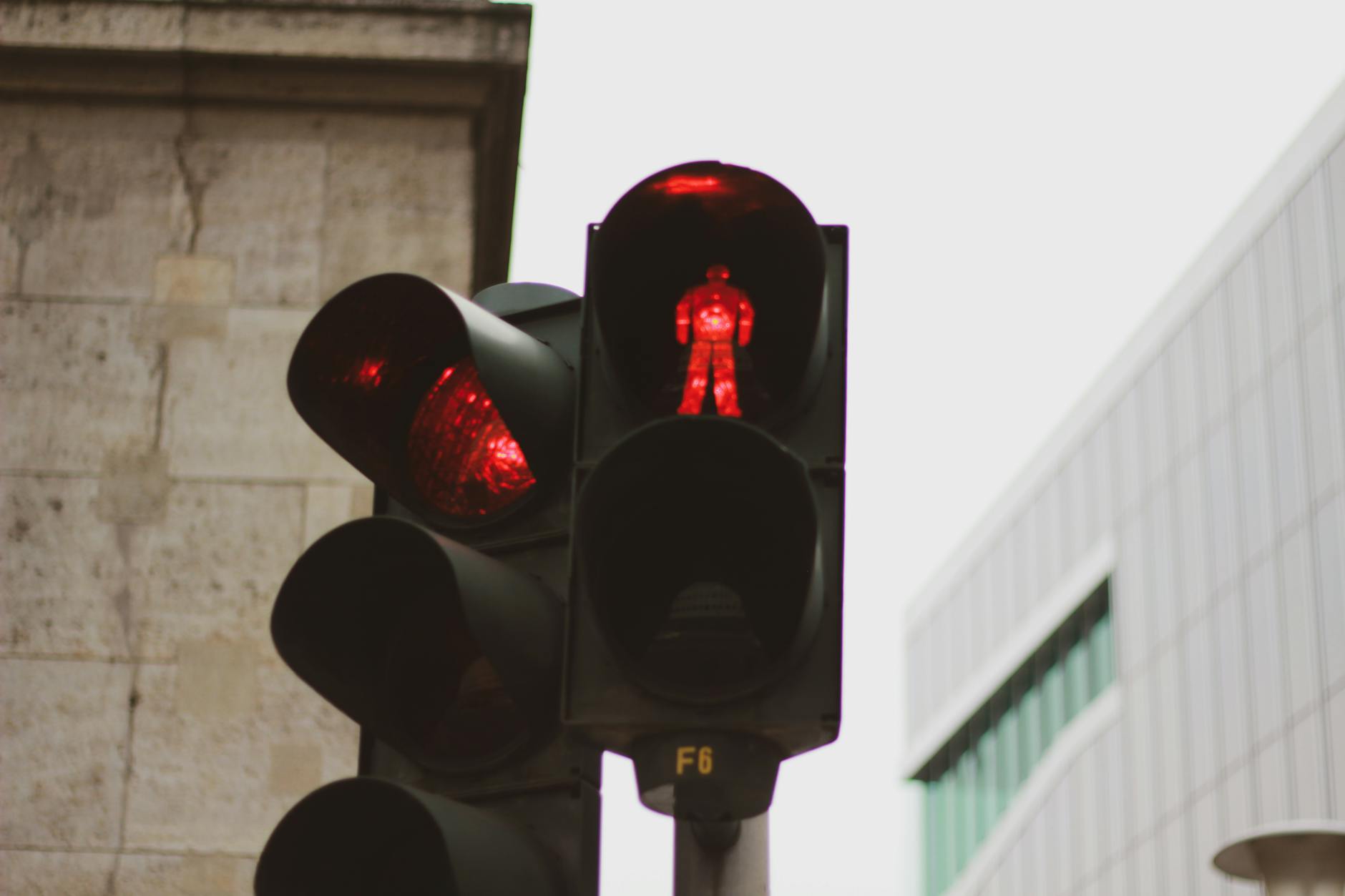
- They Constantly Put You Down: A friend should build you up, not bring you down. If you notice that someone often criticises you, makes fun of you in a mean way, or makes you feel bad about yourself, these are big red flags.
- They Are Overly Competitive: A bit of friendly competition can be fun, but if a friend always needs to be better than you at everything, it could make you feel inadequate or less valued.
- They Never Apologise: Everyone makes mistakes, but if a friend can't admit theirs and say sorry, it might be a sign that they don't respect your feelings.
- They Are Always Drama: If being with your friend involves constant drama or they keep dragging you into their personal issues, it can be exhausting and toxic.
- They Use You: If a friend only reaches out when they need something or they take advantage of your generosity without giving anything back, it's not a balanced friendship.
- They Disregard Your Boundaries: Good friends respect your limits and personal space. If someone repeatedly ignores your feelings or boundaries, it's a clear red flag.
- They Pressure You Into Things: If a friend pressures you to do things you're uncomfortable with, whether it's breaking rules or trying risky activities, they're not looking out for your best interests.
How These Red Flags Affect You
Realising your friend might not be the great friend you thought can be really tough. It can make you feel sad, angry, or confused. You might wonder if you did something wrong, or you might feel betrayed. It's okay to feel this way. Friendships can have a big impact on your emotions and how you see yourself.
Staying in a bad friendship can sometimes affect your other relationships and even your schoolwork. If you're always upset or distracted by friendship problems, it can be hard to focus on homework or enjoy time with other people who do care about you properly.
Strategies to Handle Friendship Red Flags
Recognising red flags is one thing, but knowing what to do about them is another. Here's how you can handle situations when you spot these warning signs:
- Talk About It: Sometimes, friends aren't aware of the impact of their actions. Pick a good time and talk about how you feel. They might not realise they've been hurting you.
- Set Boundaries: It's okay to set limits on what you find acceptable in friendships. Let your friend know your boundaries and the consequences of crossing them.
- Take a Break: If your friend continues to show red flags, it might help to take a break from the friendship. Spend time with other friends who make you feel supported and valued.
- Seek Advice: Talk to someone you trust like a family member, teacher, or counsellor. They can give you another perspective and help you think through your options.
- Be Ready to Move On: In some cases, the best option might be to end the friendship. It's tough, but it's important to surround yourself with people who treat you well.
Making friends and keeping them can be a wonderful part of life, but it's also important to make sure those friendships are healthy and supportive. By watching out for these red flags and knowing how to deal with them, you can protect your own well-being and ensure your friendships are genuine.
How are you feeling?
It is really important that when we need help, we feel able to ask for it. This could be speaking to a parent, a close friend, a teacher or someone else you trust. Sometimes it can be really hard to share our feelings with other people but if we are feeling low or don't know where to turn, sharing with others is really important. Teachers will always take you seriously and listen to your problems in confidence if you approach them for help. Likewise, parents, siblings or friends will help you if you reach out to them.
If you feel like you can't speak to anyone you know, there are people and organisations that can help support you:
- Childline - Call them on 0800 1111 any time of the day or night, every day of the week
- NSPCC - Call them on 0808 800 5000 between 10am and 4pm Monday to Friday or email them on help@NSPCC.org.uk
- The Samaritans – Call them on 116 123 any time of the day or night, every day of the week
- SANE – Call 0300 304 7000 for support (4:30pm - 10:30pm every day)
- Mind – Call 0300 123 3393 (9:00am - 6:00pm Monday to Friday)
*Sometimes we will use real life examples in our articles to aid understanding. When we do, names and ages will be changed.
