

















Let's get started...
Understanding Bullying and its Effects
Bullying is an issue that many teenagers face across schools, social circles, and, increasingly, online. Defined broadly, bullying involves repeated aggressive behaviour intended to hurt or intimidate another individual physically, verbally, or psychologically. its implications can deeply affect the mental health, self-esteem, and overall well-being of individuals, particularly during the sensitive teenage years.
It's crucial to consider that the feelings you might experience after being bullied are not just common, they're valid. Feelings of sadness, anger, loneliness, or confusion are typical reactions to such negative experiences. Addressing these emotions and working through them is vital for recovery and regaining a sense of personal empowerment.
Real-Life Impact on Teenagers
As a teenager, dealing with bullying can particularly influence several aspects of your life. It might affect your performance in school due to a decrease in concentration or a dread of facing your bullies. Socially, you might feel isolated, thinking it's safer to avoid peer interactions that could lead to further bullying. Emotionally, the impact could range from fluctuating moods to more severe issues such as anxiety and depression.
Sometimes, the effects of bullying can extend beyond the immediate emotional responses, leading to long-term psychological issues. These might include a decrease in self-worth, chronic anxiety, and trust issues, influencing relationships and personal growth.
Practical Strategies for Overcoming the Effects of Bullying
To counteract the negative effects of bullying and start feeling better, consider implementing several practical strategies that focus on healing and regaining confidence:
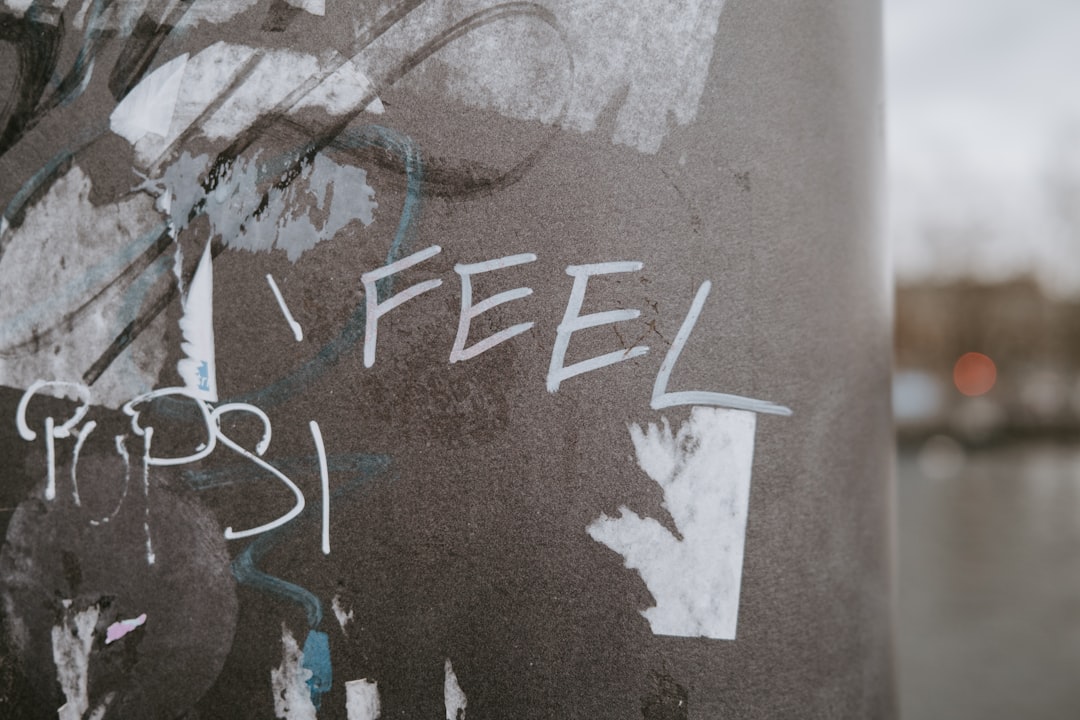
1. Acknowledge Your Feelings
It's important to acknowledge and accept your feelings about being bullied. Suppressing your emotions can lead to greater emotional distress or confusion. Recognising how you feel isn't a sign of weakness but a courageous step towards healing.
2. Talk It Out
Find someone you trust a friend, family member, teacher, or counsellor and share your experiences and feelings with them. Talking about what you're going through can be incredibly cathartic, and these conversations often provide new perspectives and support.
3. Document Your Thoughts
Keeping a journal can be a private way to express your feelings. Writing down your thoughts and emotions daily can offer you a safe outlet for expression and can help you see progress over time as you heal and overcome the effects of bullying.
4. Develop Coping Strategies
Identify activities that elevate your mood and incorporate them into your daily routine. This could be anything from reading, painting, playing a sport, or engaging in mindfulness practices like meditation or yoga. These activities can distract you from negative thoughts and boost your mood and self-esteem.
5. Seek Professional Help
If you find it hard to cope, consider talking to a professional psychologist or counsellor. Mental health professionals can provide you with tools and strategies to deal with the emotions and trauma caused by bullying.
6. Build a Support Network
Building a network of friends and supportive peers can provide you with a sense of belonging and security. Engage in clubs, groups, or communities where you can meet new people who share similar interests or have had similar experiences. These relationships can reinforce positive social interactions and help diminish the effects of bullying.
7. practise Assertiveness Training
Learning how to assert yourself in a calm and positive way can help you deal with bullies effectively. Role-playing different scenarios with a trusted adult or peer can prepare you to respond to bullies assertively and reduce feelings of helplessness.
8. Focus on Personal Growth
Concentrate on your personal development and strengths. Whether it's excelling in a particular subject at school or picking up a new hobby, focusing on what makes you feel good and competent can help overshadow the negative experiences of being bullied.
Every teenager's experience with bullying is unique, and the road to recovery may vary from one person to another. However, these strategies can guide you through understanding and dealing with your emotions, seeking help, and regaining your confidence and sense of self-worth. Remember, the situation can get better, and you have the strength to overcome this challenging phase of your life.
How are you feeling?
It is really important that when we need help, we feel able to ask for it. This could be speaking to a parent, a close friend, a teacher or someone else you trust. Sometimes it can be really hard to share our feelings with other people but if we are feeling low or don't know where to turn, sharing with others is really important. Teachers will always take you seriously and listen to your problems in confidence if you approach them for help. Likewise, parents, siblings or friends will help you if you reach out to them.
If you feel like you can't speak to anyone you know, there are people and organisations that can help support you:
- Childline - Call them on 0800 1111 any time of the day or night, every day of the week
- NSPCC - Call them on 0808 800 5000 between 10am and 4pm Monday to Friday or email them on help@NSPCC.org.uk
- The Samaritans – Call them on 116 123 any time of the day or night, every day of the week
- SANE – Call 0300 304 7000 for support (4:30pm - 10:30pm every day)
- Mind – Call 0300 123 3393 (9:00am - 6:00pm Monday to Friday)
*Sometimes we will use real life examples in our articles to aid understanding. When we do, names and ages will be changed.
