
Let's get started...
Unlike traditional playground antics, bullying has found a new frontier in the digital world, affecting millions of young people each year. Known as cyberbullying, this modern menace is every bit as harmful as face-to-face bullying, if not more so because it can occur 24/7 and reach you anywhere.
Understanding Cyberbullying
Cyberbullying occurs when someone uses digital technology, like social media, text messages, or emails, to harass, threaten, embarrass, or target another person. If you think about it, the online world is a bit like a big school hallway, only it's much easier to whisper, or shout, cruel words when you're behind a screen.
For teenagers growing up with technology at their fingertips, the overlap between the online and offline world is vast. Your phone isn't just a device; it's a portal to your social life. This is why online bullying can feel incredibly invasive, because bullies have access that feels very personal to you.
The Real-Life Consequences of Cyberbullying
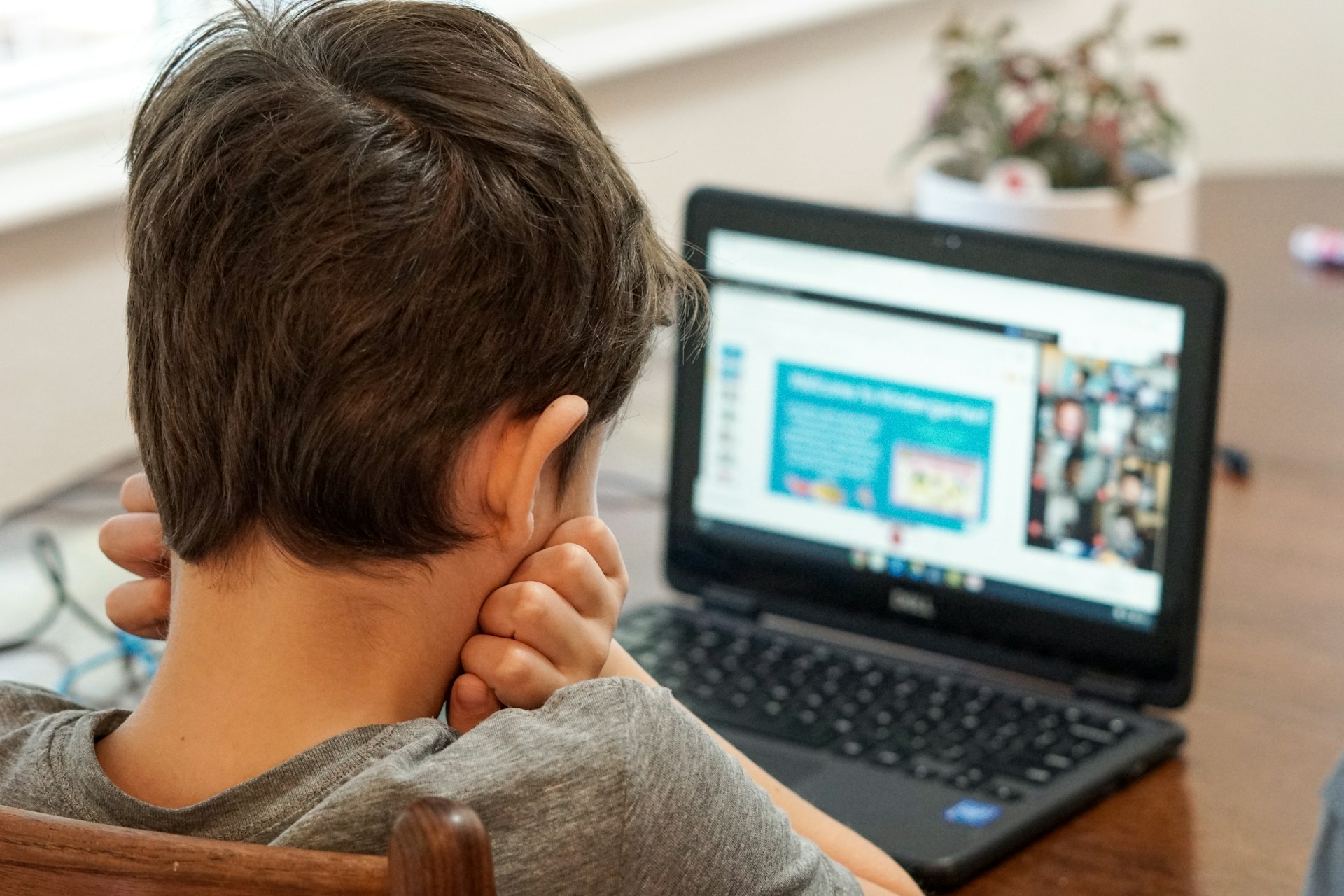
The impact of cyberbullying on a young person can be profound. Victims may experience a range of feelings, from anger and embarrassment to sadness and fear. These emotions can lead to more severe issues, including:
- Depression and anxiety
- Low self-esteem
- Poor school performance
- Social isolation
- Physical health problems
One teenager, Alex, shared his story. He was persistently mocked on social media for his weight and eventually started skipping school to avoid the whispers and laughter that followed him around. His grades plummeted, and he felt like there was no escape from the torment.
Tackling Cyberbullying: Strategies for Prevention and Action
If you find yourself a target of cyberbullying, or you know someone who is, it's crucial to know that help is available, and you are not alone. Here are some practical steps you can take:
1. Recognise the Signs
Understanding what constitutes cyberbullying can help you recognise it early. It's not just about someone sending you mean messages. It can include spreading rumours online, sharing embarrassing photos or videos without consent, or even creating fake profiles to humiliate someone.
2. Don't Respond or Retaliate
As tempting as it may be, responding to cyberbullies can actually make things worse. Bullies thrive on the reaction they get, and responding can escalate an already volatile situation. Instead, take a deep breath and step away from your device.
3. Collect Evidence
Keep a record of all interactions by taking screenshots of messages, posts, and any other communication. This can be helpful if you decide to report the bullying to your school, support groups, or even the police if needed.
4. Talk to Someone You Trust
Whether it's a friend, a family member, a teacher, or a counsellor, it's vital to have support. Sometimes, just talking about what's happening can lighten the load and provide you with insights or solutions that you might not have considered.
5. Utilise Privacy Settings and Report Mechanisms
Be proactive about your digital privacy. Most social media platforms have privacy settings that can help you control who sees your posts and who can contact you. Likewise, use the report features on these platforms. Reporting cyberbullying can lead to the perpetrators being held accountable for their actions, and platforms often take swift action if contacted.
6. Seek Professional Help if Needed
If cyberbullying is affecting your mental health, seek help from a professional counsellor or therapist. There's no shame in asking for help, and doing so can significantly improve your quality of life and mental health.
Finally, remember that you're not defined by what others say about you online or otherwise. Everyone deserves respect and kindness, both in the virtual world and in real life.
As young people navigating an increasingly digital world, the power is in your hands, quite literally. By arming yourself with knowledge and tools to combat cyberbullying, you can help create a safer online environment for yourself and others. Remember, it's cool to be kind, but it's even cooler to stand up against bullying in all its forms.
How are you feeling?
It is really important that when we need help, we feel able to ask for it. This could be speaking to a parent, a close friend, a teacher or someone else you trust. Sometimes it can be really hard to share our feelings with other people but if we are feeling low or don't know where to turn, sharing with others is really important. Teachers will always take you seriously and listen to your problems in confidence if you approach them for help. Likewise, parents, siblings or friends will help you if you reach out to them.
If you feel like you can't speak to anyone you know, there are people and organisations that can help support you:
- Childline - Call them on 0800 1111 any time of the day or night, every day of the week
- NSPCC - Call them on 0808 800 5000 between 10am and 4pm Monday to Friday or email them on help@NSPCC.org.uk
- The Samaritans – Call them on 116 123 any time of the day or night, every day of the week
- SANE – Call 0300 304 7000 for support (4:30pm - 10:30pm every day)
- Mind – Call 0300 123 3393 (9:00am - 6:00pm Monday to Friday)
*Sometimes we will use real life examples in our articles to aid understanding. When we do, names and ages will be changed.