
Let's get started...
Have you ever been in a situation where someone keeps saying sorry for the same mistake, but they don't really change their behaviour? It can be frustrating, can't it? This is called a non-apology or an empty apology. It happens often in friendships, families, and all kinds of relationships. People say "I'm sorry" without actually understanding what they did wrong or taking steps to not do it again in the future.
Why Non-Apologies Happen
There are many reasons why people might keep apologising without changing. Sometimes, they might not truly understand how their actions affect others. Other times, they might feel pressured to say sorry even when they don't really want to. Some people use apologies as a quick way to escape trouble, hoping the problem will just go away if they apologise.
Understanding why someone might repeatedly apologise without making real changes can help you deal with the situation more effectively.
How It Affects You
As a fourteen-year-old, you're building meaningful relationships with friends and becoming more aware of your social surroundings. When someone repeatedly apologises for the same thing but does nothing to change, it can make you feel undervalued or ignored. It might also make trusting them difficult because their words don't match their actions.
These situations might affect your self-esteem, making you question if you are right to feel upset or offended. It could also make you wary in other relationships, concerned that any apology you receive won't be sincere.
Handling Non-Apologies
Dealing with apologies that aren't followed by change requires some thoughtful strategies. Here are some steps you can take:
- Speak Your Mind: When someone apologises to you repeatedly for the same mistake, it's okay to share how you feel. Tell them clearly and calmly that while you appreciate their apology, it's hard to accept it without seeing any change. Explain how their actions make you feel.
- Set Boundaries: You have the right to set boundaries in any relationship. If certain behaviours are upsetting you, let people know what is acceptable and what is not. This does not make you mean; it makes you clear about what you need in a friendship or any other relationship.
- Look for Sincerity: Sometimes, you might need to look a bit deeper. Is the person truly sorry, or are they just saying it? A sincere apology usually comes with empathy and a genuine effort to understand and fix the behaviour.
- Give Feedback: If you feel comfortable, try giving feedback on how they can make amends. Sometimes people want to change but aren't sure how to start. Help them understand what actions would make you feel better.
- Take Time: If the repeated apologies are affecting you negatively, it might be helpful to take some space. Let them know that you need some time to think about things. This can also give them time to reflect on their actions.
- Seek Support: Talk to someone you trust about the situation, like a family member, teacher, or counsellor. They might offer you perspective and guidance on how to proceed and reassure you that your feelings are valid.
Why Change Is Important
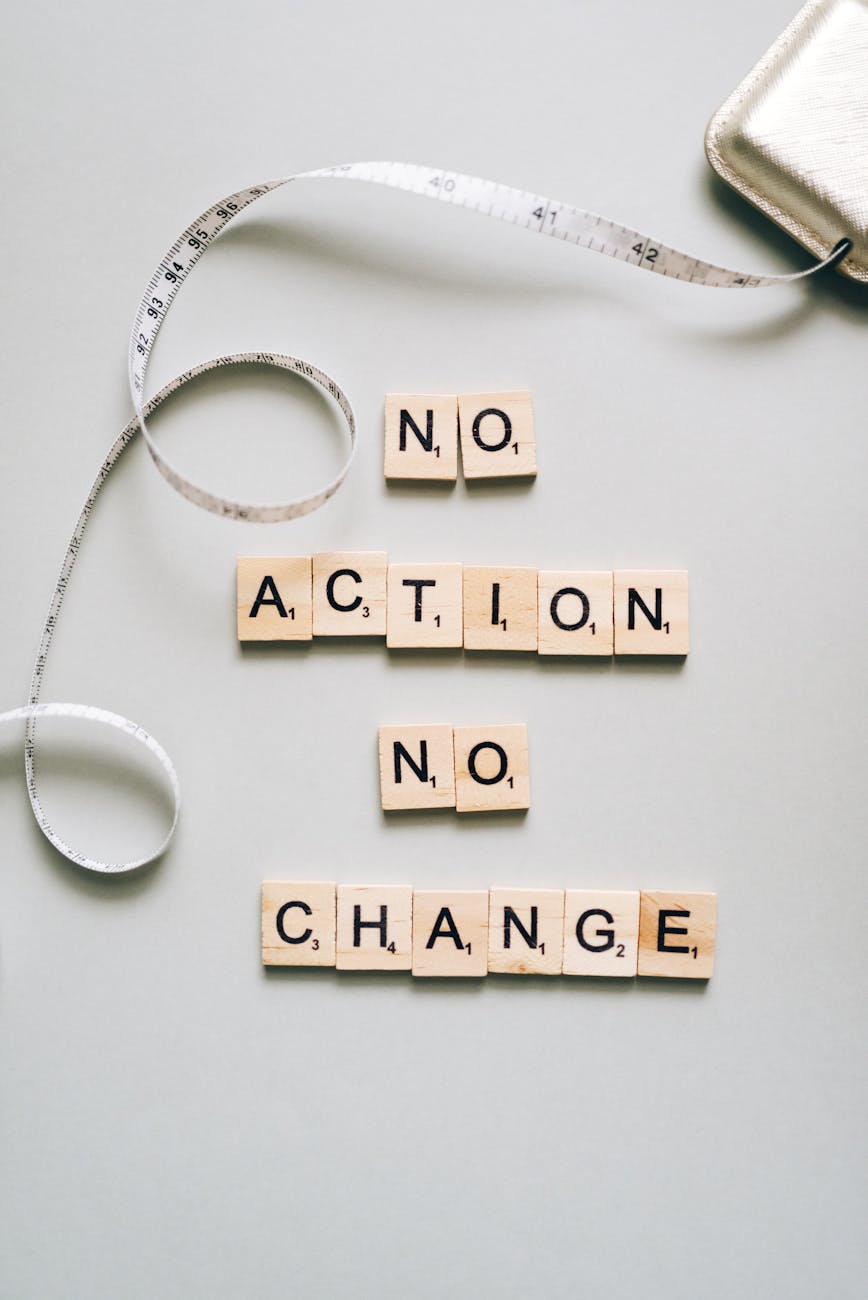
Change after an apology is essential because it shows that the person not only understands they did something wrong but also cares enough to make an effort not to do it again. This can rebuild trust and strengthen the relationship. Without change, an apology might seem meaningless.
Signs of a Real Apology
Knowing the signs of a genuine apology can help you discern whether someone is truly remorseful. Here are a few indicators:
- The person explicitly names what they did wrong.
- They acknowledge how it impacted you without making excuses.
- They express regret for their actions and the hurt caused.
- They take steps to ensure it doesn't happen again, possibly suggesting how they plan to alter their behaviour.
- They give you space and time to accept the apology on your terms.
Recognising these signs can help you decide how to respond and whether to give the person another chance.
When to Move On
If you've communicated your feelings, set clear boundaries, looked for sincerity, and still see no change, it might be time to reconsider the relationship. Consistent disregard for your feelings is not a foundation for a healthy relationship. Remember, you deserve to be treated with respect and sincerity, just like anyone else.
The Importance of Self-Respect
In dealing with repetitive non-apologies, one of the most important things is to maintain your self-respect. Valuing your own emotions and needs is crucial. Knowing when to accept an apology and when to stand up for yourself shows maturity and self-awareness.
Conclusion
Dealing with someone who keeps apologising without changing their behaviour can be tough and emotionally draining. Remember to communicate your feelings, set boundaries, evaluate sincerity, and seek support if needed. Most importantly, respect yourself and ensure your relationships are based on genuine respect and understanding.
How are you feeling?
It is really important that when we need help, we feel able to ask for it. This could be speaking to a parent, a close friend, a teacher or someone else you trust. Sometimes it can be really hard to share our feelings with other people but if we are feeling low or don't know where to turn, sharing with others is really important. Teachers will always take you seriously and listen to your problems in confidence if you approach them for help. Likewise, parents, siblings or friends will help you if you reach out to them.
If you feel like you can't speak to anyone you know, there are people and organisations that can help support you:
- Childline - Call them on 0800 1111 any time of the day or night, every day of the week
- NSPCC - Call them on 0808 800 5000 between 10am and 4pm Monday to Friday or email them on help@NSPCC.org.uk
- The Samaritans – Call them on 116 123 any time of the day or night, every day of the week
- SANE – Call 0300 304 7000 for support (4:30pm - 10:30pm every day)
- Mind – Call 0300 123 3393 (9:00am - 6:00pm Monday to Friday)
*Sometimes we will use real life examples in our articles to aid understanding. When we do, names and ages will be changed.