

















Let's get started...
Have you ever had that one friend who, no matter what, just makes you feel a bit rubbish after hanging out with them? Maybe they're always putting you down, or they make everything about themselves, or they just can't keep a secret. This is what we call a toxic friendship, and it's something a lot of teenagers, like yourself, might have to deal with.Toxic friendships can sneak up on you. They start out like any other friendship: you share laughs, hang out after school, and text each other heaps. But over time, things start to feel off. Here's a look at what makes a friendship toxic, how it can affect you, and what you can do about it.
What Makes a Friendship Toxic?
A toxic friendship can be hard to spot because it often forms from what was once a good relationship. Here are some signs that your friendship might be harmful:
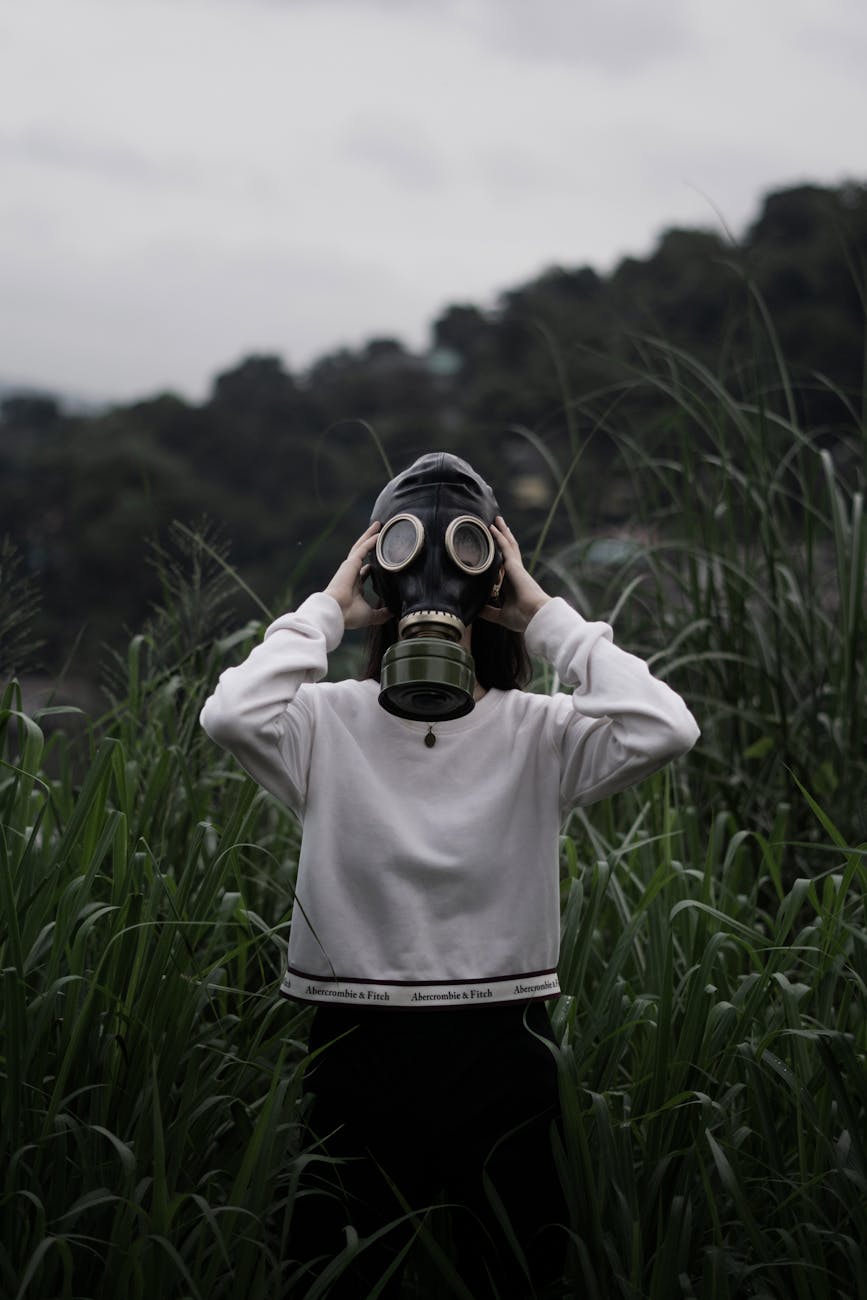
- They constantly criticise you: Your friend might always pick on your flaws and make you feel bad about yourself.
- No support: A good friend cheers you on. If your friend seems indifferent, or worse, jealous when good things happen to you, that's not a good sign.
- They're overly controlling: If a friend is trying to dictate what you do, who you hang out with, or even what you wear, they're being controlling.
- They disrespect your boundaries: A toxic friend might share your secrets, or pressure you into things you're uncomfortable with.
- It's all take, no give: You might find yourself always listening to their problems, but when you need to talk, they're not there for you.
How Can Toxic Friendships Affect You?
Being in a toxic friendship can really take a toll on you. It can:
- Lower your self-esteem: Constant criticism can make you doubt yourself more than you should.
- Mess with your other relationships: The stress from a toxic friendship can make you irritable or withdrawn, affecting how you interact with others.
- Lead to feelings of loneliness and anxiety: Even if you're spending a lot of time together, feeling misunderstood or unappreciated can make you feel lonely.
- Make school harder: With all the drama, it can be tough to concentrate on your studies or even enjoy school activities.
What Can You Do About a Toxic Friendship?
realising a friendship has turned toxic is tough, and deciding what to do next can be even tougher. Here are some strategies you might consider:
1. Talk It Out
Sometimes, friends aren't aware of the impact of their actions. Choosing a good time to talk things through might help. Let them know how certain behaviours make you feel and see if they're willing to change.
2. Spend Less Time Together
If talking doesn't help, or if you're not ready to discuss it yet, try to take some space. Spend less time with them and see if it helps you feel better. Engage more with other friends or take up new or neglected hobbies.
3. Set Clear Boundaries
Boundaries are like rules that you set for how people can treat you. Be clear about what is okay and what isn't. If they cross these boundaries after you've told them not to, it's a clear sign that the friendship isn't healthy.
4. Re-evaluate the Friendship
If none of the above steps work, it might be time to think about ending the friendship. It's important to surround yourself with people who make you feel good and support your growth.
5. Seek Support
Talking to someone you trust like a family member, teacher, or school counsellor can provide you with support and perhaps another perspective on the situation.
Conclusion
Navigating friendships is a huge part of growing up, and learning to let go of toxic ones is just as important as making new friends. Remember, it's normal to outgrow relationships as you learn more about yourself and what you value in friendships. It's crucial to have friends who respect and enrich your life, leaving you feeling secure and happy. Standing up for yourself, especially in friendships, is a sign of self-respect.
Making these choices isn't always easy, but it's part of growing up and taking care of your mental well-being. You deserve to be surrounded by genuine friends who value and uplift you.
How are you feeling?
It is really important that when we need help, we feel able to ask for it. This could be speaking to a parent, a close friend, a teacher or someone else you trust. Sometimes it can be really hard to share our feelings with other people but if we are feeling low or don't know where to turn, sharing with others is really important. Teachers will always take you seriously and listen to your problems in confidence if you approach them for help. Likewise, parents, siblings or friends will help you if you reach out to them.
If you feel like you can't speak to anyone you know, there are people and organisations that can help support you:
- Childline - Call them on 0800 1111 any time of the day or night, every day of the week
- NSPCC - Call them on 0808 800 5000 between 10am and 4pm Monday to Friday or email them on help@NSPCC.org.uk
- The Samaritans – Call them on 116 123 any time of the day or night, every day of the week
- SANE – Call 0300 304 7000 for support (4:30pm - 10:30pm every day)
- Mind – Call 0300 123 3393 (9:00am - 6:00pm Monday to Friday)
*Sometimes we will use real life examples in our articles to aid understanding. When we do, names and ages will be changed.
