

















Let's get started...
Social distancing has been one of the most important strategies used to slow the spread of COVID-19. While it may have been frustrating at times, it has played a crucial role in protecting people and reducing pressure on healthcare services. But why exactly do we need to social distance, and what impact has it had on young people?
What Is Social Distancing?
Social distancing, also known as physical distancing, is the practise of keeping a safe distance from others to prevent the spread of infectious diseases. During the COVID-19 pandemic, health officials recommended staying at least two metres (or one metre with extra precautions) away from people who were not part of your household.
Social distancing measures included:
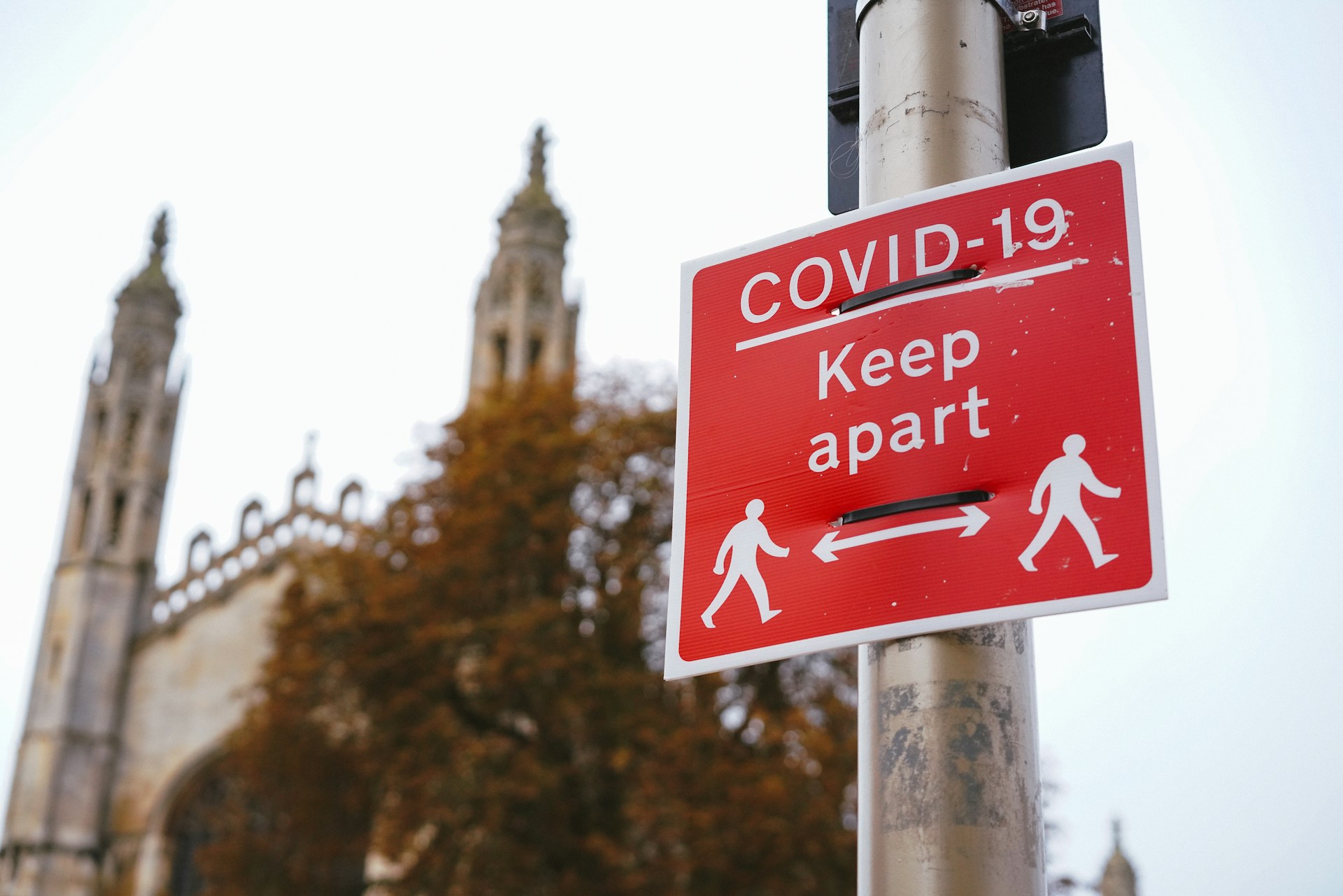
- Keeping a safe distance from others in public places
- Avoiding large gatherings or crowded places
- Working or studying from home where possible
- Limiting physical contact, such as handshakes and hugs
Why Is Social Distancing Necessary?
Social distancing helps reduce the spread of viruses, particularly those that are transmitted through respiratory droplets. When an infected person coughs, sneezes, or talks, tiny droplets carrying the virus can land on nearby people or surfaces. By keeping a safe distance, the risk of inhaling these droplets is lower.
The main reasons why social distancing is important include:
1. Reducing the Spread of Infection
COVID-19 spreads quickly, especially in crowded areas. Social distancing helps break the chain of transmission by limiting close contact between people.
2. Protecting Vulnerable People
Some people are at higher risk of severe illness from COVID-19, including the elderly and those with underlying health conditions. By social distancing, you help protect those who may not be able to fight off the virus as easily.
3. Preventing Overwhelmed Healthcare Systems
If too many people get sick at the same time, hospitals can struggle to provide care. Social distancing helps slow the spread, ensuring that healthcare services can manage the number of patients effectively.
4. Helping to Control New Variants
As viruses mutate, new variants can emerge. Social distancing helps reduce the opportunity for the virus to spread and mutate into more dangerous forms.
The Real-Life Impact on a Young Person
For teenagers, social distancing has had a huge impact on daily life. Schools switched to online learning, social events were cancelled, and simple activities like meeting friends became difficult.
Sophies Story:
Sophie, 16, loved spending time with her friends after school. When social distancing rules were introduced, she struggled with the isolation. School lessons moved online, and she found it difficult to concentrate without being in a classroom environment.
At first, Sophie felt frustrated, but she found new ways to stay connected with friends, such as video calls and online games. She also took up new hobbies, like painting and yoga, which helped her cope with the stress. While she missed her normal social life, she understood that social distancing was necessary to protect people around her.
How Can You Maintain Social Distancing?
Even though social distancing rules have eased, there may still be situations where keeping a safe distance is advisable, such as during high infection rates or when around vulnerable individuals. Here are some practical strategies:
1. Keep a Safe Distance in Crowded Places
In busy places like supermarkets, public transport, or events, try to maintain some space between yourself and others where possible.
2. Choose Outdoor or Well-Ventilated Spaces
Meeting up with friends outdoors or in places with good ventilation reduces the risk of infection.
3. Avoid Large Crowds When Necessary
If infection rates are high, avoiding crowded places can help reduce exposure to viruses.
4. Wear a Mask When Needed
In situations where social distancing isn't possible, such as on public transport, wearing a mask provides extra protection.
5. Be Respectful of Others Boundaries
Some people may still prefer to keep their distance due to personal health reasons. Respecting their space helps create a safer and more comfortable environment for everyone.
What Are the Challenges of Social Distancing?
While social distancing is effective, it hasn't always been easy. Some of the biggest challenges include:
- Loneliness and Isolation: Not being able to see friends and family in person can be difficult.
- Disruptions to School and Work: Online learning and remote working have made studying and socialising harder for many.
- Missing Events: Many important events, such as birthdays, concerts, and sports games, were cancelled or postponed.
- Frustration and Fatigue: Long periods of social distancing led to "pandemic fatigue," making it harder for people to follow the rules.
How to Cope with the Effects of Social Distancing
If you're struggling with social distancing, there are ways to make it easier:
1. Stay Connected with Friends and Family
Even if you can't meet in person, staying in touch through video calls, social media, or online games can help reduce feelings of loneliness.
2. Focus on Hobbies and Self-Care
Using time at home to develop new skills or hobbies, like reading, drawing, or exercising, can make social distancing feel less isolating.
3. Create a Daily Routine
Having a routine helps keep a sense of normality and structure, even if your usual activities are disrupted.
4. Take Breaks from the News
Hearing too much negative news about the pandemic can be overwhelming. Taking breaks from social media and the news can help reduce stress.
Will Social Distancing Always Be Necessary?
As vaccination rates increase and treatments improve, social distancing may not be needed as frequently. However, it remains an important tool for managing future outbreaks and new variants.
Even after the pandemic, people may continue practising certain distancing habits, such as avoiding crowded spaces when feeling unwell or working from home when possible.
Final Thoughts
Social distancing has played a crucial role in slowing the spread of COVID-19 and protecting vulnerable people. While it has been challenging, it has also helped reduce the impact of the virus and prevent overwhelming hospitals. Although strict distancing rules have eased, maintaining good habits such as avoiding crowded places when ill and respecting personal space can continue to help keep everyone safe.
How are you feeling?
It is really important that when we need help, we feel able to ask for it. This could be speaking to a parent, a close friend, a teacher or someone else you trust. Sometimes it can be really hard to share our feelings with other people but if we are feeling low or don't know where to turn, sharing with others is really important. Teachers will always take you seriously and listen to your problems in confidence if you approach them for help. Likewise, parents, siblings or friends will help you if you reach out to them.
If you feel like you can't speak to anyone you know, there are people and organisations that can help support you:
- Childline - Call them on 0800 1111 any time of the day or night, every day of the week
- NSPCC - Call them on 0808 800 5000 between 10am and 4pm Monday to Friday or email them on help@NSPCC.org.uk
- The Samaritans – Call them on 116 123 any time of the day or night, every day of the week
- SANE – Call 0300 304 7000 for support (4:30pm - 10:30pm every day)
- Mind – Call 0300 123 3393 (9:00am - 6:00pm Monday to Friday)
*Sometimes we will use real life examples in our articles to aid understanding. When we do, names and ages will be changed.
