













Let's get started...
Since the outbreak of COVID-19, wearing masks has become an important way to help prevent the spread of the virus. While mask-wearing has been debated, health experts and governments around the world have recommended or required their use in public spaces. But why do we have to wear masks, and how do they help protect us?
Understanding COVID-19 and How It Spreads
COVID-19 is caused by the SARS-CoV-2 virus, which spreads mainly through respiratory droplets. These droplets are released when an infected person coughs, sneezes, talks, or even breathes. The virus can spread in the following ways:
- Direct contact: Being close to an infected person and breathing in droplets they release.
- Surface transmission: Touching contaminated objects and then touching your face.
- Aerosol transmission: Tiny virus particles that stay in the air for longer periods, particularly in indoor spaces with poor ventilation.
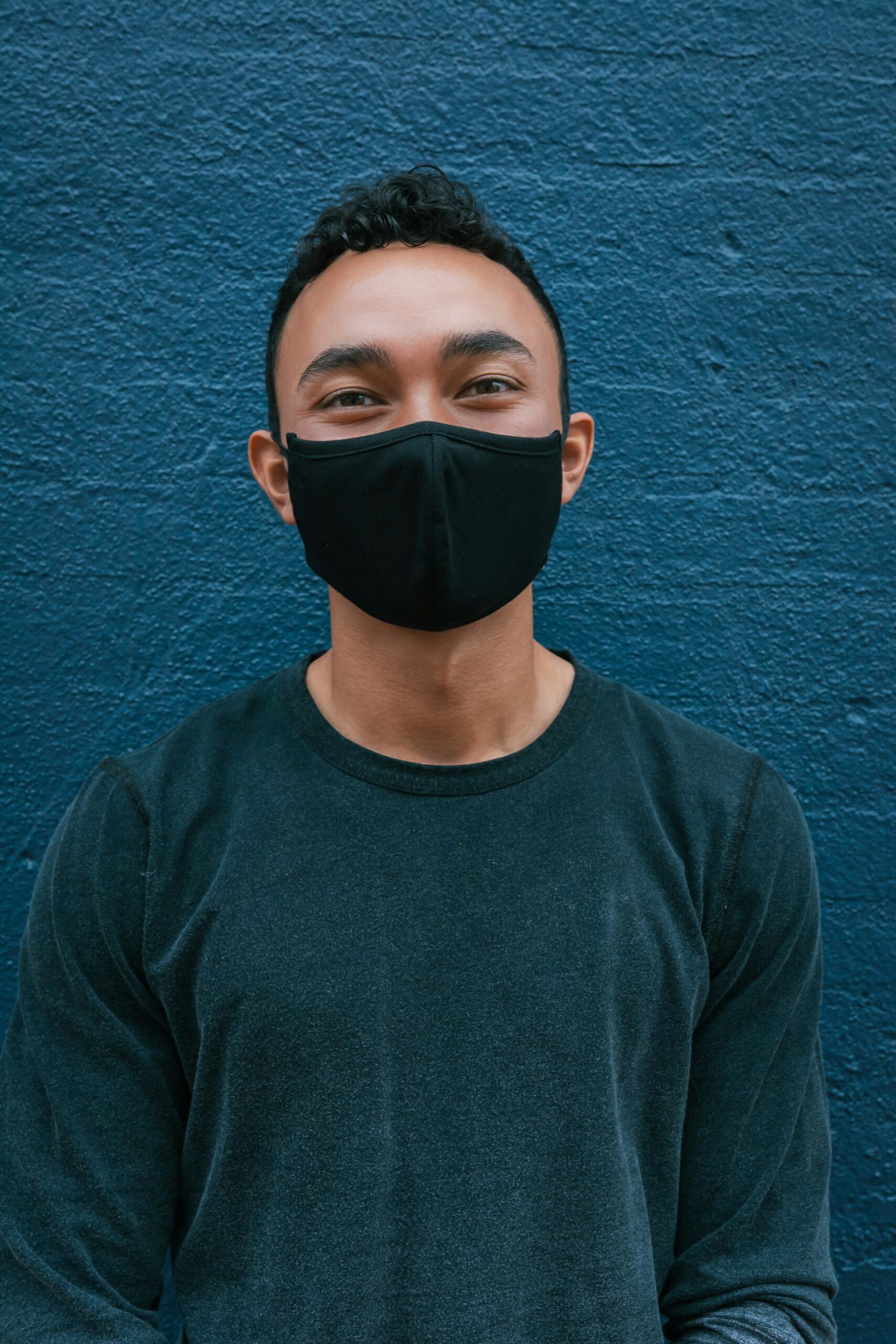
Masks act as a barrier that helps block these droplets from spreading, reducing the chances of passing the virus to others.
Why Do We Have to Wear Masks?
Masks are an important tool in controlling the spread of COVID-19. There are several key reasons why wearing a mask is effective:
1. Masks Reduce the Spread of Respiratory Droplets
When someone talks, coughs, or sneezes, they release droplets into the air. If a person has COVID-19, these droplets may contain the virus. Masks help trap these droplets, preventing them from reaching others.
2. Masks Protect Others
Many people with COVID-19 have mild or no symptoms but can still spread the virus. Wearing a mask helps protect those around you, especially vulnerable people like the elderly or those with health conditions.
3. Masks Help Protect You
While masks are mainly used to prevent spreading the virus to others, they also provide some protection for the wearer. Studies show that wearing a mask can reduce the amount of virus particles a person breathes in, lowering their risk of infection.
4. Masks Are Most Effective When Everyone Wears Them
For masks to be most effective, they should be worn by as many people as possible. This is known as source control. If everyone wears a mask, the overall spread of the virus is reduced, making public places safer.
5. Masks Are Useful When Social Distancing Isn't Possible
In crowded places like public transport, shops, and schools, keeping a safe distance from others isn't always possible. Masks add an extra layer of protection in these situations.
The Real-Life Impact on a Young Person
For teenagers, wearing masks has been one of the biggest changes during the pandemic. It has affected school life, social interactions, and daily routines.
Emma's Story:
Emma, 15, found wearing a mask at school uncomfortable at first. It was harder to talk to friends, and wearing one for long periods felt annoying. However, after learning how masks help prevent the spread of COVID-19, she started to see them differently.
Emma realised that wearing a mask wasn't just about protecting herself, but also about looking out for her family and teachers. One of her classmates had a parent with a serious health condition, and wearing a mask helped reduce the risk of spreading the virus to them. Over time, wearing a mask became part of her routine, and she found ways to make it more comfortable.
How to Wear a Mask Properly
Wearing a mask correctly is essential for it to be effective. Here's how to do it:
- Wash your hands before putting on your mask.
- Cover your nose and mouth completely.
- Make sure the mask fits snugly against the sides of your face.
- Avoid touching the front of the mask while wearing it.
- Remove the mask by touching only the straps, not the fabric.
- Wash reusable masks regularly or dispose of single-use masks properly.
Different Types of Masks
Not all masks offer the same level of protection. Here are the main types:
- Cloth Masks: Made from fabric, these masks can be reused and should have multiple layers for better protection.
- Surgical Masks: Disposable masks that provide better filtration than cloth masks.
- FFP2/N95 Masks: High-quality masks that filter out more airborne particles and offer better protection.
How to Make Mask-Wearing More Comfortable
Many people find wearing a mask uncomfortable, especially for long periods. Here are some tips to make it easier:
- Choose a mask made from breathable fabric.
- Adjust the straps so they don't feel too tight.
- Take short breaks when it's safe to do so (such as when outdoors and socially distanced).
- If your glasses fog up, try using an anti-fog spray or adjusting the mask for a better fit.
When Should You Wear a Mask?
While mask-wearing rules have changed over time, there are still situations where wearing a mask is a good idea:
- On public transport
- In crowded indoor places
- In school, if required
- When visiting vulnerable people
- If you feel unwell or have cold symptoms
Do Masks Affect Communication?
One challenge with wearing masks is that they can make it harder to communicate, especially for people who rely on lip-reading. To help with this:
- Speak clearly and loudly
- Use hand gestures or facial expressions
- Use text messages or voice notes if necessary
What If Someone Doesn't Want to Wear a Mask?
Not everyone likes wearing masks, and some people may not be able to wear one for medical reasons. If someone doesn't want to wear a mask, it's important to respect their choice while following health guidelines yourself.
If a friend or classmate has concerns about masks, you can:
- Explain the benefits in a calm way
- Share reliable information from health experts
- Encourage them to find a mask that fits comfortably
Will We Always Have to Wear Masks?
As more people get vaccinated and cases decrease, mask rules may continue to change. However, in future outbreaks of COVID-19 or other illnesses, mask-wearing may be recommended again to help protect people.
Final Thoughts
Wearing a mask during COVID-19 has been an important way to reduce the spread of the virus. Although it may not always be comfortable, it helps protect yourself and those around you. By understanding the benefits and learning how to wear masks properly, you can play a part in keeping your community safe.
How are you feeling?
It is really important that when we need help, we feel able to ask for it. This could be speaking to a parent, a close friend, a teacher or someone else you trust. Sometimes it can be really hard to share our feelings with other people but if we are feeling low or don't know where to turn, sharing with others is really important. Teachers will always take you seriously and listen to your problems in confidence if you approach them for help. Likewise, parents, siblings or friends will help you if you reach out to them.
If you feel like you can't speak to anyone you know, there are people and organisations that can help support you:
- Childline - Call them on 0800 1111 any time of the day or night, every day of the week
- NSPCC - Call them on 0808 800 5000 between 10am and 4pm Monday to Friday or email them on help@NSPCC.org.uk
- The Samaritans – Call them on 116 123 any time of the day or night, every day of the week
- SANE – Call 0300 304 7000 for support (4:30pm - 10:30pm every day)
- Mind – Call 0300 123 3393 (9:00am - 6:00pm Monday to Friday)
*Sometimes we will use real life examples in our articles to aid understanding. When we do, names and ages will be changed.