

















Let's get started...
Understanding Cancer Screening: What Every Teen Should Know
Cancer, a word that often brings a shiver to the room, is a leading cause of death worldwide. Though it's often discussed in the context of older adults, it's essential for young people, including teens, to understand the significance of early detection and the role of cancer screenings. Let's delve into what cancer screening actually is, why it's essential, and how it can impact young lives.
What is Cancer Screening?
Cancer screening refers to the process of checking for cancer in individuals who do not have any symptoms of the disease. The primary goal of cancer screening is to detect early tumours or changes in cells that may indicate the risk of cancer developing, hence allowing for earlier intervention and treatment. Different types of screenings are recommended for various cancers and are often based on age, gender, medical history, and lifestyle factors.
Common Types of Cancer Screenings:
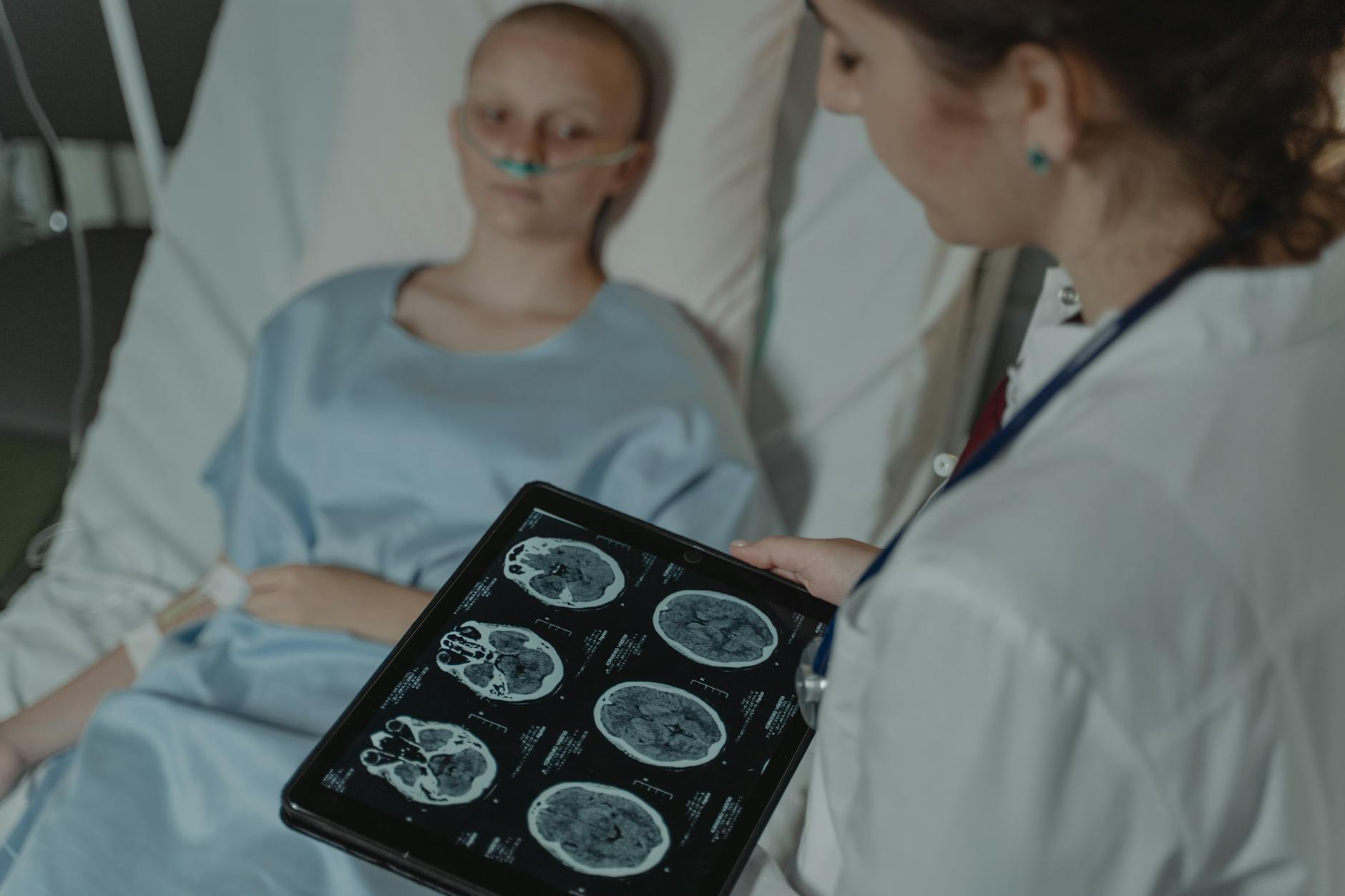
- Breast Cancer Screening: Usually involves mammograms, which are X-ray exams of the breasts. It is generally recommended for women over 40, but understanding its existence is crucial for everyone.
- Cervical Cancer Screening: Includes the Pap smear and Human Papillomavirus (HPV) testing, recommended for women from the age of 25 in the UK.
- Colorectal Cancer Screening: For adults typically beginning at age 50, utilising tests such as colonoscopies and faecal occult blood tests.
While these might seem distant for a teen, being aware of these tests supports lifelong health awareness and readiness to engage in preventive measures.
Why Is Cancer Screening Important for Teens?
You might wonder why cancer screening should matter to someone in their teens. The importance lies not just in the direct effect of screening, but in building an awareness that influences lifestyle choices and understanding of family medical history, which can sometimes indicate higher risk.
Lifestyle and Risk Awareness:
Engaging in discussions about cancer screening can lead teens to be more conscious of their health choices. For instance, understanding that heavy sun exposure can lead to skin cancer might encourage you to use sunscreen regularly. Similarly, knowing that smoking is a high-risk factor for lung cancer could deter you from picking up the habit. Cancer screening awareness effectively becomes preventive as it guides better health decisions.
Family Health History:
During discussions about screening, family health history often comes up. If you're aware that certain cancers run in your family, you can take proactive steps earlier in life, closely monitoring any signs or symptoms related to those cancers and engaging with healthcare professionals about your concerns and the appropriate screenings.
Practical Strategies for Dealing with Cancer Screening
As a teen, while you might not be undergoing cancer screenings just yet, there are several ways you can be proactive about your health:
Educate Yourself and Others:
Knowledge is power. Learn about different cancers, what causes them, and how they can be detected. Then spread the word among friends and family to build a community that supports healthy choices.
Maintain a Healthy Lifestyle:
Make choices that reduce cancer risk. This includes eating a balanced diet rich in fruits and vegetables, maintaining a healthy weight, exercising regularly, avoiding tobacco, and limiting alcohol consumption.
Protect Your Skin:
Since young people are especially at risk for skin cancer, always use sunscreen when you're outdoors, even on cloudy days, and avoid indoor tanning.
Understand Vaccinations:
Some vaccines can help prevent cancer. For example, the HPV vaccine significantly reduces the risk of cervical and other cancers. If you haven't been vaccinated, discuss it with your parents or a healthcare professional.
Stay Informed about Technology and Cancer Research:
The field of medicine is continually evolving. New methods of screening and treatment are regularly developed. Keeping updated can help you make informed decisions about your health as you grow older.
Bringing It All Together
While cancer screening itself may not be immediately relevant to your current stage in life, understanding what it involves and why it's necessary prepares you for responsible adulthood. It underscores the importance of preventive health measures and equips you with the knowledge to make informed health decisions for yourself and your loved ones. While the journey into health awareness can be complex, it's certainly empowering. Remember, the choices you make today pave the way for your future.
How are you feeling?
It is really important that when we need help, we feel able to ask for it. This could be speaking to a parent, a close friend, a teacher or someone else you trust. Sometimes it can be really hard to share our feelings with other people but if we are feeling low or don't know where to turn, sharing with others is really important. Teachers will always take you seriously and listen to your problems in confidence if you approach them for help. Likewise, parents, siblings or friends will help you if you reach out to them.
If you feel like you can't speak to anyone you know, there are people and organisations that can help support you:
- Childline - Call them on 0800 1111 any time of the day or night, every day of the week
- NSPCC - Call them on 0808 800 5000 between 10am and 4pm Monday to Friday or email them on help@NSPCC.org.uk
- The Samaritans – Call them on 116 123 any time of the day or night, every day of the week
- SANE – Call 0300 304 7000 for support (4:30pm - 10:30pm every day)
- Mind – Call 0300 123 3393 (9:00am - 6:00pm Monday to Friday)
*Sometimes we will use real life examples in our articles to aid understanding. When we do, names and ages will be changed.
