













Let's get started...
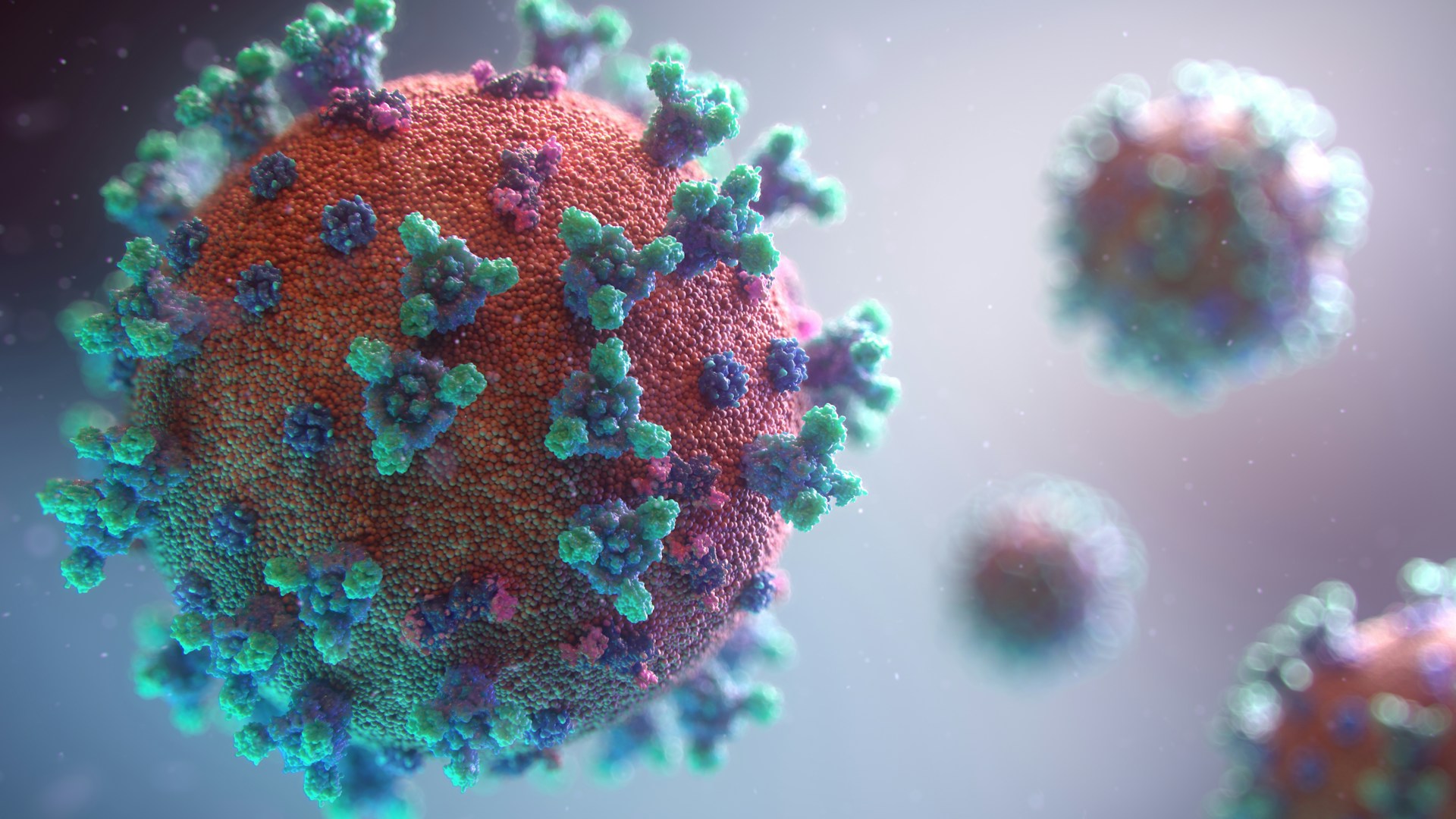
COVID-19 is a disease caused by the SARS-CoV-2 virus, which primarily affects the respiratory system. Since its emergence in late 2019, the virus has spread worldwide, leading to a pandemic that has changed the way people live, work, and interact. Understanding what COVID-19 is, how it spreads, and how to protect yourself is essential in helping to prevent further outbreaks and staying safe.
How Did COVID-19 Start?
The first known cases of COVID-19 were reported in Wuhan, China, in December 2019. Scientists believe the virus originated in animals and was transmitted to humans, possibly through a live animal market. By early 2020, COVID-19 had spread to multiple countries, leading the World Health Organisation (WHO) to declare it a global pandemic in March 2020.
How Does COVID-19 Spread?
COVID-19 spreads mainly through respiratory droplets when an infected person coughs, sneezes, talks, or breathes. It can also spread by touching contaminated surfaces and then touching your face, particularly the eyes, nose, or mouth.
Factors that increase the risk of transmission include:
- Close contact with an infected person
- Being in crowded or poorly ventilated places
- Not wearing a mask in high-risk settings
- Touching contaminated surfaces and then touching your face
What Are the Symptoms of COVID-19?
COVID-19 symptoms can vary from person to person. Some people experience only mild symptoms, while others may become seriously ill. The most common symptoms include:
- Fever or chills
- Cough
- Shortness of breath
- Fatigue
- Loss of taste or smell
- Sore throat
- Headache
- Muscle aches
- Runny or blocked nose
Some people also develop long COVID, where symptoms last for weeks, months or years after the initial infection. These symptoms can include brain fog, extreme tiredness, and chest pain.
The Real-Life Impact on a Young Person
COVID-19 has had a major impact on the lives of young people. From school closures to missed social events, the pandemic has changed the way teenagers live and interact.
Emma's Story:
Emma, 15, was in Year 10 when the first lockdown happened. At first, she thought it would be a short break from school, but as weeks turned into months, she started to struggle. She missed seeing her friends, and online lessons were difficult to follow. When she finally returned to school, she found it hard to catch up with work and adjust to normal routines again.
Emma also caught COVID-19 in early 2022. While her symptoms were mild, she had to isolate for several days, missing out on a school trip and feeling lonely. Her experience made her realise how important it is to take precautions and look after her mental health.
How Can You Protect Yourself from COVID-19?
There are several ways to reduce the risk of catching or spreading COVID-19:
1. Get Vaccinated
Vaccination is one of the most effective ways to protect yourself from serious illness. In the UK, COVID-19 vaccines are available for people aged 12 and older.
2. Wash Your Hands Regularly
Using soap and water for at least 20 seconds helps remove germs from your hands. If soap isn't available, hand sanitiser is a good alternative.
3. Wear a Mask in High-Risk Settings
Masks help prevent the spread of respiratory droplets, especially in crowded places like public transport, schools, and shops.
4. Keep Your Distance
When COVID-19 cases are high, keeping some distance from others, especially in crowded places, can help reduce the risk of infection.
5. Take a COVID-19 Test If You Feel Unwell
If you develop symptoms, taking a lateral flow or PCR test can confirm if you have COVID-19. If you test positive, staying at home helps prevent spreading the virus to others.
6. Ventilate Indoor Spaces
Opening windows and letting fresh air circulate can reduce the concentration of virus particles in the air.
What Should You Do If You Test Positive?
If you test positive for COVID-19, it is important to take care of yourself and prevent others from getting sick.
- Stay at home and rest
- Drink plenty of water and eat nutritious food
- Monitor your symptoms and seek medical help if they get worse
- Let people you've been in close contact with know about your result
How Has COVID-19 Changed Everyday Life?
Since 2020, COVID-19 has changed the way people live in many ways, including:
- Schools using online learning during lockdowns
- Wearing masks in public places
- Changes in social activities and events
- More awareness of hygiene and illness prevention
Can You Catch COVID-19 More Than Once?
Yes, reinfection is possible, especially with new variants of the virus. However, vaccination and previous infections may provide some protection against severe symptoms.
How to Cope with the Mental Impact of COVID-19
COVID-19 hasn't just affected physical health, it has also had a major impact on mental well-being. If you're feeling stressed or anxious, here are some ways to cope:
- Talk to friends and family about how you feel
- Take breaks from the news and social media
- Stay active, exercise can help reduce stress
- Focus on hobbies and activities you enjoy
- Seek professional support if you're struggling
What Is the Future of COVID-19?
Scientists believe COVID-19 will continue to exist, but vaccines and treatments will help people manage it better. Governments and health experts will monitor new variants and update guidance as needed.
Final Thoughts
COVID-19 has changed the world, but by understanding how it spreads and how to protect yourself, you can reduce the risks. Following health advice, getting vaccinated, and staying informed can help keep you and those around you safe.
How are you feeling?
It is really important that when we need help, we feel able to ask for it. This could be speaking to a parent, a close friend, a teacher or someone else you trust. Sometimes it can be really hard to share our feelings with other people but if we are feeling low or don't know where to turn, sharing with others is really important. Teachers will always take you seriously and listen to your problems in confidence if you approach them for help. Likewise, parents, siblings or friends will help you if you reach out to them.
If you feel like you can't speak to anyone you know, there are people and organisations that can help support you:
- Childline - Call them on 0800 1111 any time of the day or night, every day of the week
- NSPCC - Call them on 0808 800 5000 between 10am and 4pm Monday to Friday or email them on help@NSPCC.org.uk
- The Samaritans – Call them on 116 123 any time of the day or night, every day of the week
- SANE – Call 0300 304 7000 for support (4:30pm - 10:30pm every day)
- Mind – Call 0300 123 3393 (9:00am - 6:00pm Monday to Friday)
*Sometimes we will use real life examples in our articles to aid understanding. When we do, names and ages will be changed.