













Let's get started...
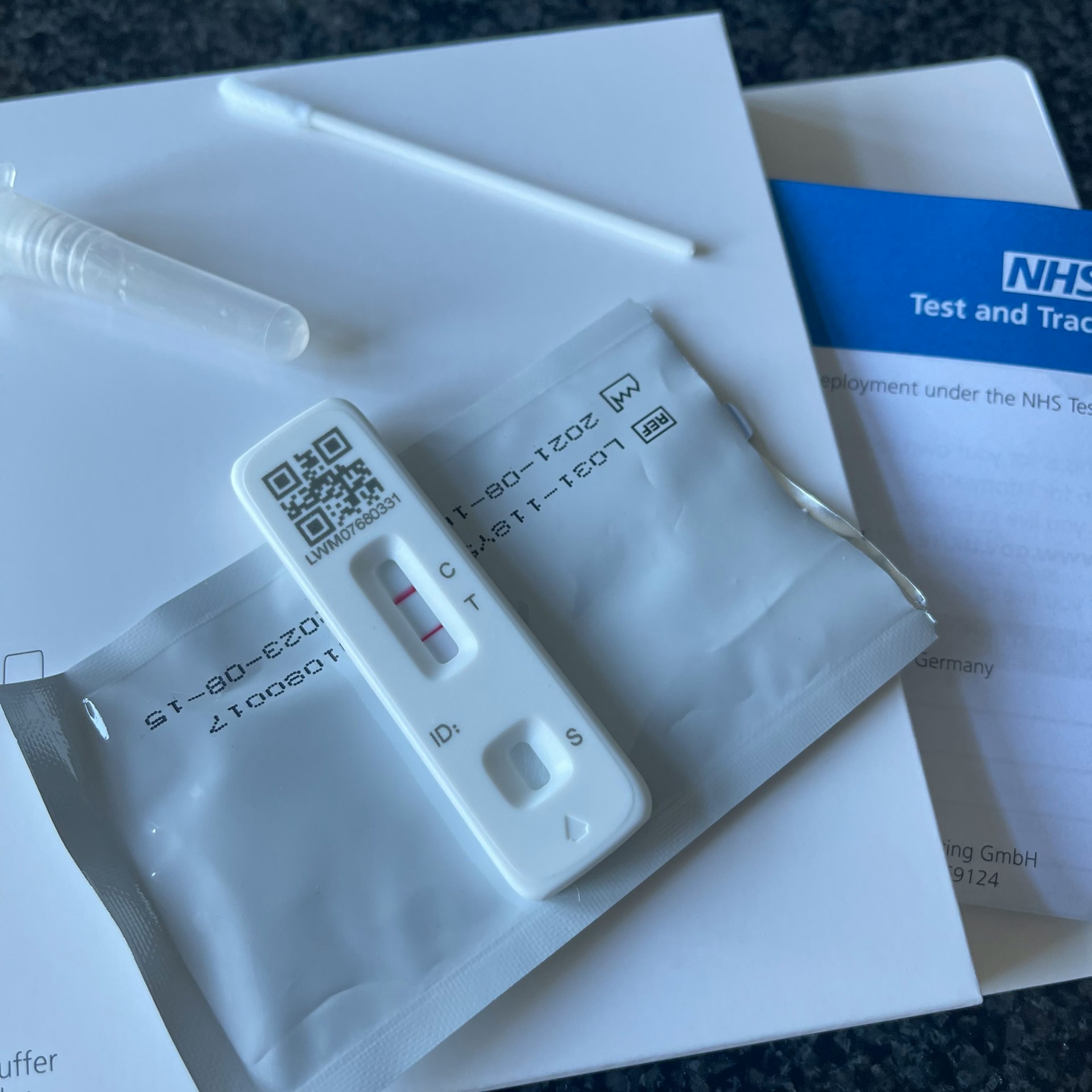
Testing positive for COVID-19 can be worrying, but knowing what to do next will help you recover safely and prevent the virus from spreading to others. Whether you have mild symptoms, feel very unwell, or have no symptoms at all, there are important steps to follow after a positive test result.
Understanding a Positive COVID-19 Test
COVID-19 is caused by the SARS-CoV-2 virus, which spreads through respiratory droplets when an infected person coughs, sneezes, or talks. The virus can also spread by touching contaminated surfaces and then touching your face.
People who test positive for COVID-19 may experience a wide range of symptoms, from mild cold-like symptoms to severe illness. Some people do not feel ill at all, but they can still spread the virus.
What Should You Do If You Test Positive?
If you test positive for COVID-19, here's what you need to do:
1. Stay at Home and Avoid Contact with Others
Even though self-isolation is no longer a legal requirement in the UK, staying at home if you test positive helps prevent spreading the virus. Try to:
- Stay in a separate room from other household members
- Use a separate bathroom if possible
- Wear a mask if you need to be around others
- Avoid visitors
2. Inform People You Have Been in Contact With
If you've recently been in close contact with friends, family, or classmates, let them know that you've tested positive. This allows them to take precautions, such as testing themselves or avoiding contact with vulnerable people.
3. Monitor Your Symptoms
COVID-19 symptoms can change over time, so keep track of how you feel. Common symptoms include:
- Fever or chills
- Cough
- Loss of taste or smell
- Fatigue
- Shortness of breath
- Sore throat
If your symptoms worsen, such as difficulty breathing or persistent chest pain, seek medical help immediately.
4. Get Plenty of Rest and Stay Hydrated
Even if your symptoms are mild, resting and drinking fluids can help your body recover faster.
5. Take Medication for Symptom Relief
You can take over-the-counter medicines, such as:
- Paracetamol for fever and aches
- Lozenges for a sore throat
- Decongestants for a blocked nose
Always follow the recommended dosage and speak to a doctor if unsure.
The Real-Life Impact on a Young Person
Testing positive for COVID-19 can be frustrating, especially for teenagers who have school, social events, and hobbies.
Lucas's Story:
Lucas, 16, had been looking forward to his football tournament. The day before, he felt a bit tired and had a headache. Just to be safe, he took a lateral flow test and it was positive. He had to miss the tournament and stay at home for a few days.
At first, he felt fine apart from mild symptoms, but he became bored and frustrated staying in his room. To pass the time, he watched Netflix, played video games with friends online, and kept up with schoolwork. Although he was disappointed about missing the tournament, he understood that staying home was the best way to protect others.
How Long Should You Stay at Home?
In the UK, self-isolation rules have changed, but if you test positive, it is recommended that you:
- Stay at home for at least 5 days
- Avoid contact with others until you feel well
- Try to wait until you test negative before resuming normal activities
What If You Feel Fine?
Some people test positive without any symptoms. Even if you feel completely normal, you can still pass the virus to others. It's still a good idea to take precautions, such as:
- Avoiding crowded places
- Wearing a mask in public
- Keeping a safe distance from vulnerable people
Can You Get COVID-19 More Than Once?
Yes, it's possible to catch COVID-19 more than once, especially as new variants emerge. However, vaccination and previous infections may provide some protection against severe illness.
How to Prevent Spreading COVID-19 at Home
If you live with other people, follow these steps to protect them:
1. Stay in Your Room
If possible, stay in a separate room and avoid shared spaces.
2. Clean Surfaces Regularly
Disinfect door handles, light switches, and frequently touched items.
3. Open Windows for Ventilation
Letting in fresh air reduces the amount of virus particles in the air.
4. Avoid Sharing Items
Use your own cups, plates, and cutlery to prevent spreading germs.
How Can You Stay Positive During Isolation?
Being stuck at home can be boring, but there are ways to stay entertained and keep in touch with friends.
1. Stay Connected
Text or video call friends to stay in touch.
2. Catch Up on TV Shows or Books
Use the time to watch films, read, or start a new hobby.
3. Keep Up with Schoolwork
Many schools provide online resources so you don't fall behind.
4. Try Light Exercise
If you feel well enough, gentle stretches or yoga can help keep you active.
What Should You Do After You Recover?
Once you feel better and test negative, you can return to normal activities. However, some people experience long COVID, where symptoms last for weeks or months.
Final Thoughts
Testing positive for COVID-19 can be frustrating, but taking care of yourself and avoiding contact with others will help prevent further spread. Most people recover quickly, but if symptoms worsen, seek medical advice. Staying informed and following health guidelines will keep you and those around you safe.
How are you feeling?
It is really important that when we need help, we feel able to ask for it. This could be speaking to a parent, a close friend, a teacher or someone else you trust. Sometimes it can be really hard to share our feelings with other people but if we are feeling low or don't know where to turn, sharing with others is really important. Teachers will always take you seriously and listen to your problems in confidence if you approach them for help. Likewise, parents, siblings or friends will help you if you reach out to them.
If you feel like you can't speak to anyone you know, there are people and organisations that can help support you:
- Childline - Call them on 0800 1111 any time of the day or night, every day of the week
- NSPCC - Call them on 0808 800 5000 between 10am and 4pm Monday to Friday or email them on help@NSPCC.org.uk
- The Samaritans – Call them on 116 123 any time of the day or night, every day of the week
- SANE – Call 0300 304 7000 for support (4:30pm - 10:30pm every day)
- Mind – Call 0300 123 3393 (9:00am - 6:00pm Monday to Friday)
*Sometimes we will use real life examples in our articles to aid understanding. When we do, names and ages will be changed.