

















Let's get started...
Understanding Cancer: Causes and Considerations
Cancer is a complex group of diseases with many possible causes. In the UK, cancer affects hundreds of thousands of people each year, making understanding its causes crucial. This article will explore why cancer develops, discuss its real-life impact on teenagers, and offer practical strategies for reducing cancer risk.
What is Cancer?
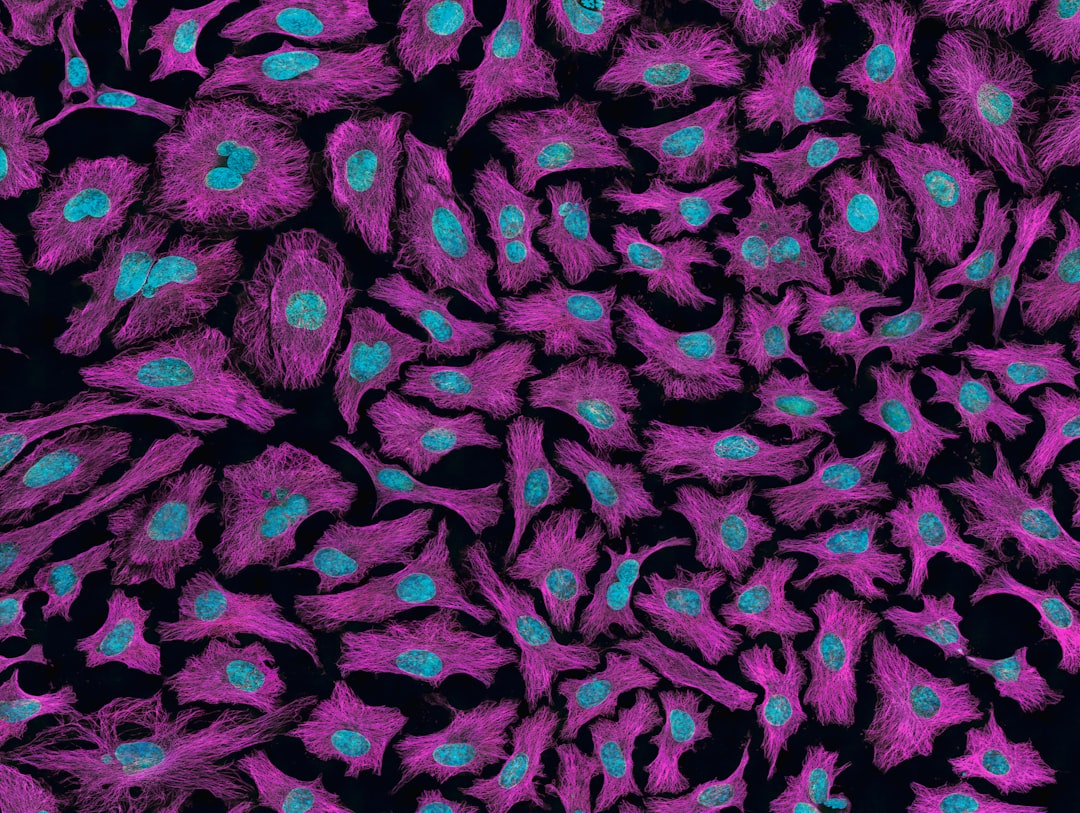
At its core, cancer is the result of cells that grow uncontrollably and refuse to die. Normal cells in the body follow an orderly path of growth, division, and death, but cancerous cells bypass this process, leading to the development of tumours. These tumours can then invade nearby parts of the body or spread to other areas through a process called metastasis.
Genetic Factors
Genetics play a pivotal role in the development of cancer. Certain genes that control cell growth and repair are prone to mutations, which may predispose individuals to cancer. For instance, mutations in the BRCA1 and BRCA2 genes significantly increase the risk of breast and ovarian cancers. However, inheriting a cancer gene does not mean cancer is inevitable, but it does mean a higher risk.
Environmental and Lifestyle Factors
While genetics are a component, a vast number of cancers are influenced by environmental and lifestyle factors. These include:
- Smoking: Tobacco use is the single largest preventable cause of cancer worldwide, leading to lung cancer, throat cancer, and more.
- Poor diet, physical inactivity, and obesity: These can contribute to cancer of the breast, colon, oesophagus, kidney, and pancreas.
- Alcohol consumption: Higher levels of alcohol intake have been linked to an increased risk of several cancers, including liver, breast, and colorectal cancers.
- UV exposure: Excessive exposure to ultraviolet rays from the sun or tanning beds can lead to melanoma and other skin cancers.
Considering these factors is crucial, especially since lifestyle choices made during teenage years can affect your risk of developing cancer later on.
Viruses and Other Factors
Certain viruses are known to increase cancer risk by altering the DNA inside cells. For instance, the human papillomavirus (HPV) can lead to cervical and other types of cancer, while Hepatitis B and C viruses can cause liver cancer. Teens and young adults may be exposed to these risks through behaviours such as unprotected sex or sharing needles.
Real-life Impact of Cancer on Teens
While cancer is more common in older adults, it can and does affect teenagers as well. For teens, the impact of cancer can be particularly profound. A cancer diagnosis can disrupt schooling, social interactions, and the sense of normalcy critical during the teenage years.
Beyond the physical effects of the disease and it's treatments, teens dealing with cancer often experience emotional and psychological stress. They may feel isolated from their peers or anxious about their future. Furthermore, they are in a developmental stage where body image is crucial, and changes in appearance due to cancer treatments can be especially challenging.
Practical Strategies to Reduce Cancer Risk
Understanding the causes of cancer provides avenues to mitigate risk, even from a young age. Here are practical strategies that teens can adopt:
- Maintain a healthy body weight: Engage in regular physical activity and have a balanced diet rich in fruits, vegetables, and whole grains.
- Avoid tobacco: Non-smoking is one of the most significant cancer prevention measures. If you've started smoking, consider quitting programs.
- Limit alcohol consumption: Stick to recommended guidelines if you choose to drink alcohol.
- practise safe sun exposure: Use sunscreen, wear hats and protective clothing, and avoid tanning beds.
- Vaccinations: Get vaccinated against cancer-related viruses like HPV and Hepatitis B.
Moreover, teenagers should also be aware of their familial health history and consider genetic counselling if a pattern of certain cancers exists in their family.
By implementing these strategies, not only can teenagers reduce their risk of developing cancer, but they can also pave the way for healthy habits that will benefit them throughout their lives.
How are you feeling?
It is really important that when we need help, we feel able to ask for it. This could be speaking to a parent, a close friend, a teacher or someone else you trust. Sometimes it can be really hard to share our feelings with other people but if we are feeling low or don't know where to turn, sharing with others is really important. Teachers will always take you seriously and listen to your problems in confidence if you approach them for help. Likewise, parents, siblings or friends will help you if you reach out to them.
If you feel like you can't speak to anyone you know, there are people and organisations that can help support you:
- Childline - Call them on 0800 1111 any time of the day or night, every day of the week
- NSPCC - Call them on 0808 800 5000 between 10am and 4pm Monday to Friday or email them on help@NSPCC.org.uk
- The Samaritans – Call them on 116 123 any time of the day or night, every day of the week
- SANE – Call 0300 304 7000 for support (4:30pm - 10:30pm every day)
- Mind – Call 0300 123 3393 (9:00am - 6:00pm Monday to Friday)
*Sometimes we will use real life examples in our articles to aid understanding. When we do, names and ages will be changed.
