

















Let's get started...
Understanding Cancer: Background and Importance
Cancer is a term used for diseases in which abnormal cells divide uncontrollably and can invade other tissues. Cancer is not just one disease but many diseases, with over 100 different types identified so far. These cells can spread to other parts of the body through the blood and lymph systems. There are numerous factors that contribute to cancer, including genetics, lifestyle, and environmental exposures. Given the complexity and severity of the disease, understanding how to prevent cancer is crucial, especially from an early age.
The Real-life Impact of Cancer on Young People
While cancer is more common in older adults, it certainly impacts young people as well. Teenagers and young adults can face paediatric cancers, which are biologically different from those typically seen in adults. Besides the direct health impacts, cancer in youth can significantly affect educational experiences, social interactions, and emotional well-being. Survivors might deal with long-term side effects of treatments and continuous medical follow-ups, which can alter their life trajectory in substantial ways.
Practical Strategies for Cancer Prevention
Maintain a Healthy Diet
Eating a well-balanced diet rich in fruits, vegetables, and whole grains can help reduce the risk of cancer. These foods are high in nutrients and antioxidants that protect the body's cells from damage. It's recommended to include a variety of colours in your meal, often referred to as "eating the rainbow," to ensure a wide range of nutrients:
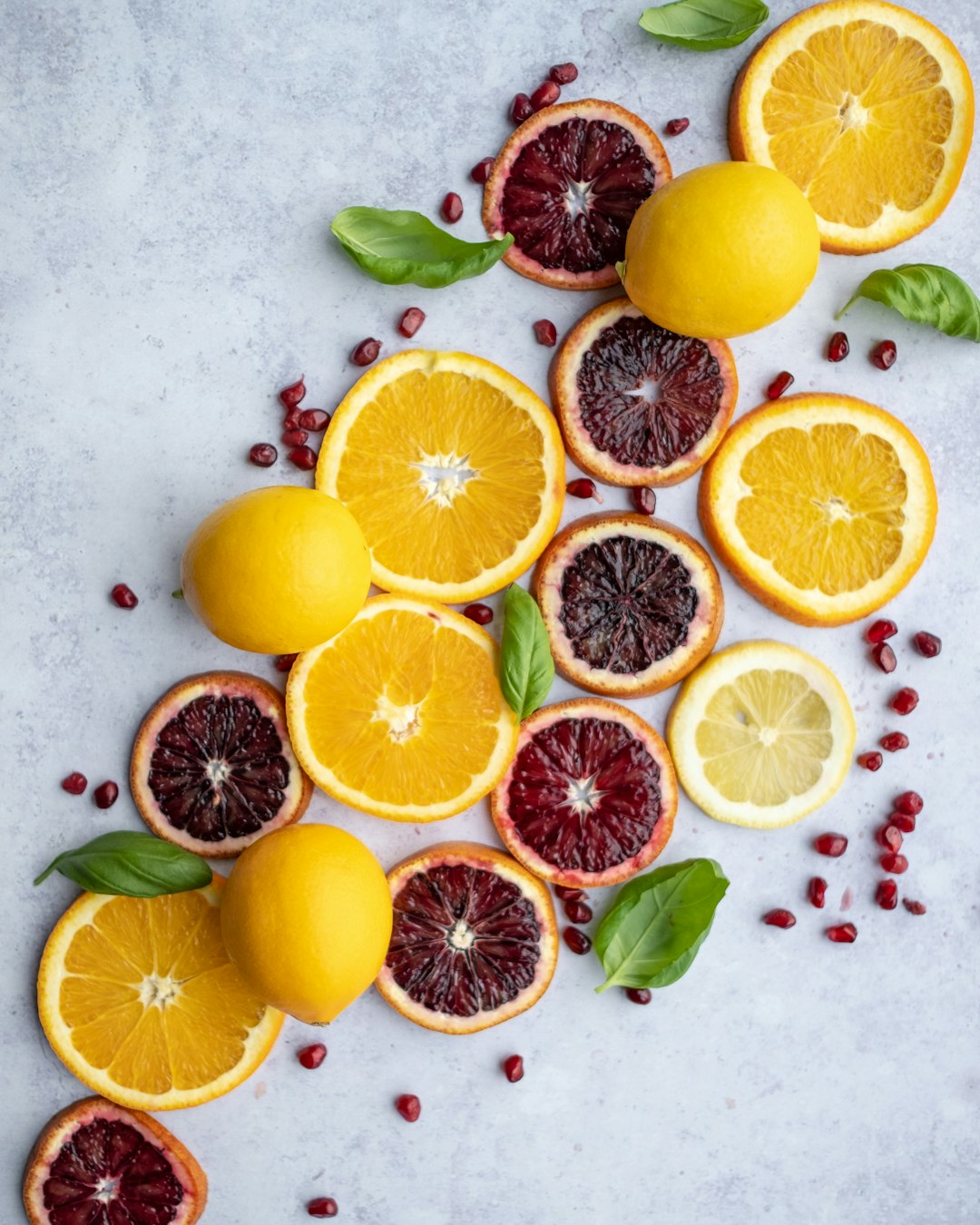
- fruits and Vegetables: Aim for at least five servings per day. Each serving could be, for example, an apple, a banana, or a large handful of spinach.
- Whole Grains: Choose whole-grain bread, pasta, and cereals over those made with refined grains.
- Limit Processed and Red Meats: Eating large amounts of processed meat can increase the risk of certain types of cancer. Try to limit intake and opt for lean protein sources like chicken, fish, or beans.
Stay Active
Regular physical activity can help you maintain a healthy weight, which, in turn, reduces the risk of cancer. The NHS recommends that teenagers should get at least one hour of physical activity per day. This can include activities like walking, cycling, swimming, or team sports. Physical activity doesn't have to be boring or strenuous; find something you enjoy so it can easily become part of your daily routine.
Avoid Tobacco and Limit Alcohol Consumption
Tobacco use is the single largest preventable cause of cancer worldwide. Avoiding smoking or using any form of tobacco is one of the most significant cancer prevention measures you can take. Additionally, limit your alcohol intake as excessive alcohol use can lead to several types of cancer, including liver, breast, and colorectal cancers. For young people, the best choice is not to drink alcohol at all, as legal drinking ages apply and health guidelines suggest avoiding alcohol until the late teens.
Protect Yourself from the Sun
Excessive exposure to ultraviolet (UV) rays from the sun can lead to skin cancer, the most common type of cancer in the UK. To protect yourself:
- Use Sunscreen: Apply a broad-spectrum sunscreen with at least SPF 30, even on cloudy days.
- Wear Protective Clothing: Long-sleeved shirts, pants, and a wide-brimmed hat can protect your skin.
- Avoid Tanning Beds: Tanning lamps and beds are also sources of harmful UV rays.
Regular Medical check-ups
Regular screenings and medical check-ups can help detect cancer early, increasing the chances of successful treatment. Even as a teenager, it's good to be aware of your body and any changes that occur, such as unusual lumps, sores that do not heal, or persistent discomfort. If you notice any of these symptoms, it's essential to talk to a healthcare provider.
Conclusion
Preventing cancer involves taking proactive steps towards a healthier lifestyle from an early age. While not all cancers can be prevented, adopting healthy lifestyle choices can significantly decrease your risk. More importantly, these lifestyle choices can also prevent other diseases and help you lead a more vigorous, healthier life. With the right information and choices, we can all take part in the fight against cancer and work towards leading longer, healthier lives.
How are you feeling?
It is really important that when we need help, we feel able to ask for it. This could be speaking to a parent, a close friend, a teacher or someone else you trust. Sometimes it can be really hard to share our feelings with other people but if we are feeling low or don't know where to turn, sharing with others is really important. Teachers will always take you seriously and listen to your problems in confidence if you approach them for help. Likewise, parents, siblings or friends will help you if you reach out to them.
If you feel like you can't speak to anyone you know, there are people and organisations that can help support you:
- Childline - Call them on 0800 1111 any time of the day or night, every day of the week
- NSPCC - Call them on 0808 800 5000 between 10am and 4pm Monday to Friday or email them on help@NSPCC.org.uk
- The Samaritans – Call them on 116 123 any time of the day or night, every day of the week
- SANE – Call 0300 304 7000 for support (4:30pm - 10:30pm every day)
- Mind – Call 0300 123 3393 (9:00am - 6:00pm Monday to Friday)
*Sometimes we will use real life examples in our articles to aid understanding. When we do, names and ages will be changed.
