

















Let's get started...
Understanding the Signs and Symptoms of Cancer
Cancer is a complex group of diseases with many possible causes. In the UK, it's a critical health topic since it affects millions of people, including teenagers. Knowing the signs and symptoms of cancer can lead to early detection, which is often associated with a better prognosis.
First, it's essential to understand that cancer isn't just one disease but a collection of related diseases that can occur almost anywhere in the body. It typically involves abnormal cell growth with the potential to invade or spread to other parts of the body. There are over 200 different types of cancer, each with its own set of symptoms.
General Signs and Symptoms of Cancer
Although specific symptoms may vary depending on the type of cancer, there are several general signs and symptoms. Here are some of the more common ones:
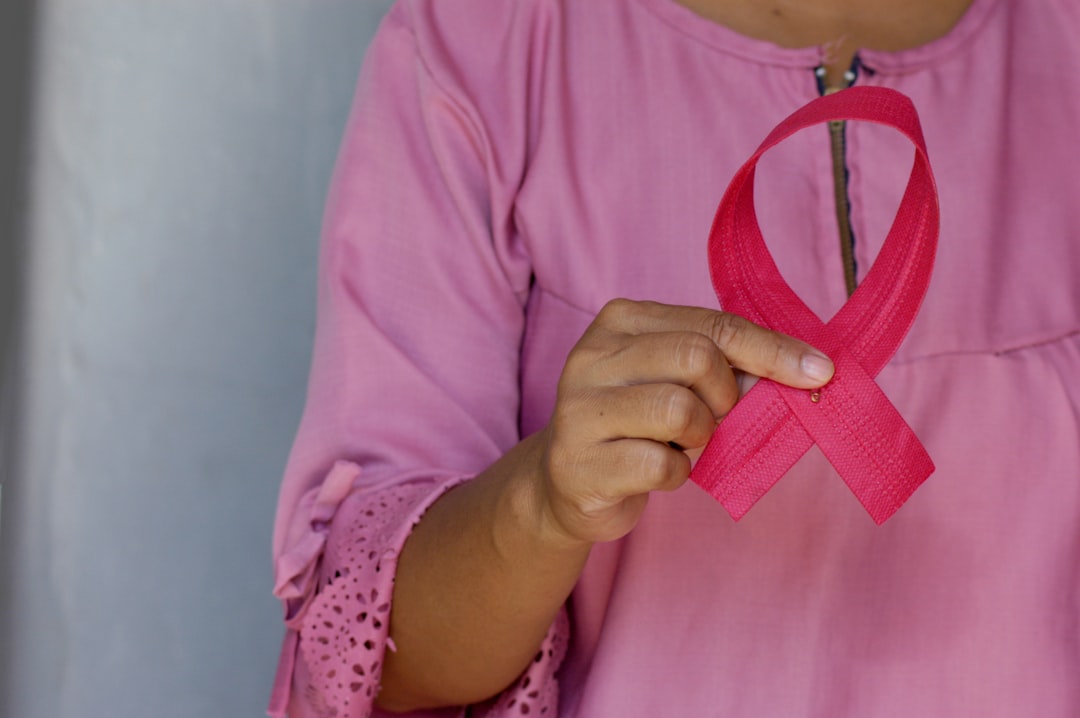
- Unexplained weight loss: Losing weight without trying can be a sign of various medical conditions, including cancer. Most people with cancer will lose weight at some point.
- Fever: Fever is very common with cancer, but it more often happens after cancer has spread from where it started. Nearly all people with cancer will have fever at some time, especially if the cancer or It's treatment affects the immune system.
- Fatigue: Fatigue in someone with cancer is different from just feeling tired it's a bone-weary exhaustion that doesn't get better with rest. It can be an early sign of cancer, such as leukaemia.
- Pain: Pain may be an early symptom with some cancers like bone cancers or testicular cancer. A headache that does not go away or respond to treatment may be a symptom of a brain tumour.
- Skin changes: Along with skin cancers, some other cancers can cause skin changes that can be seen. These signs may include darker looking skin (hyperpigmentation), yellowish skin and eyes (jaundice), reddened skin (erythema), itching, or excessive hair growth.
Specific Cancer Symptoms in Teenagers
While cancer is less common in teenagers than in older adults, it still affects many youths each year in the UK. Here are some symptoms particularly relevant to teenagers:
- Lumps or swollen glands: Noticeable lumps on the body's surface are a common sign and one that should be checked out by a physician, especially if they're strange in appearance or growing.
- Persistent fatigue and weakness: If rest and a good night's sleep do not relieve the tiredness, it's notably significant.
- Changes in moles or warts: Be vigilant about noticeable changes in size, colour, shape, or sensation (itching, tenderness).
- Unusual bleeding or discharge: This can occur in urine, stool (blood in the stool is a common symptom of colon cancer), or coughing up blood (possible lung cancer).
Practical Strategies for Addressing Concerns About Symptoms
If you're worried about any symptoms you're experiencing, it's crucial to take steps to address these concerns:
- Keep a symptom diary: Document what symptoms you notice, how often they occur, and their severity. This can help provide your healthcare team with valuable insights.
- Talk to your parents or guardians: Share your concerns with someone who can provide support and help you to seek medical attention.
- Visit your GP: It's important to get a professional medical evaluation for any persistent symptoms. Your GP can refer you to a specialist if necessary.
- Stay informed: Knowing more about cancer and it's symptoms can help you understand what signs to look out for. Visit websites like the NHS or cancer charities such as Macmillan for reliable information.
While the prospect of cancer can be frightening, remembering that early detection greatly increases the effectiveness of treatment can be reassuring. With advancements in medical technology, many cancers are treatable, especially if detected early. Most importantly, do not panic; the probability is high that your symptoms could be due to a less serious condition.
Conclusion
Being aware of the signs and symptoms of cancer, particularly the more common and specific ones relevant to your age group, is vital. If you ever experience any of these symptoms persistently, it's crucial to see a healthcare professional promptly. Always remember, being educated and proactive about your health can make a significant difference in early cancer detection and treatment.
How are you feeling?
It is really important that when we need help, we feel able to ask for it. This could be speaking to a parent, a close friend, a teacher or someone else you trust. Sometimes it can be really hard to share our feelings with other people but if we are feeling low or don't know where to turn, sharing with others is really important. Teachers will always take you seriously and listen to your problems in confidence if you approach them for help. Likewise, parents, siblings or friends will help you if you reach out to them.
If you feel like you can't speak to anyone you know, there are people and organisations that can help support you:
- Childline - Call them on 0800 1111 any time of the day or night, every day of the week
- NSPCC - Call them on 0808 800 5000 between 10am and 4pm Monday to Friday or email them on help@NSPCC.org.uk
- The Samaritans – Call them on 116 123 any time of the day or night, every day of the week
- SANE – Call 0300 304 7000 for support (4:30pm - 10:30pm every day)
- Mind – Call 0300 123 3393 (9:00am - 6:00pm Monday to Friday)
*Sometimes we will use real life examples in our articles to aid understanding. When we do, names and ages will be changed.
