













Let's get started...
Understanding Cancer and it's Treatment Options
Cancer, a disease that can affect any part of the body, fundamentally disrupts the normal process by which our cells grow and divide. As you might already know, our body is made up of millions of cells. Normally, these cells grow, divide, and die in a controlled way. Cancer occurs when this control is lost and cells begin to grow uncontrollably. This uncontrolled growth can lead to the formation of a lump known as a tumour, which can either be benign (non-cancerous) or malignant (cancerous).
The treatment of cancer has evolved significantly over the years and continues to do so, with ongoing research pushing the boundaries of what's possible. The impact of a cancer diagnosis can be profound, especially for young people, affecting their physical health, emotional wellbeing, and everyday life.
Main Forms of Cancer Treatment
1. Surgery
Surgery is one of the oldest forms of cancer treatment and involves physically removing the cancer from the body. It is often the first option if the cancer hasn't spread to other parts of the body. The success of surgery depends on the type of cancer, its location, and how advanced the cancer is.
2. Chemotherapy
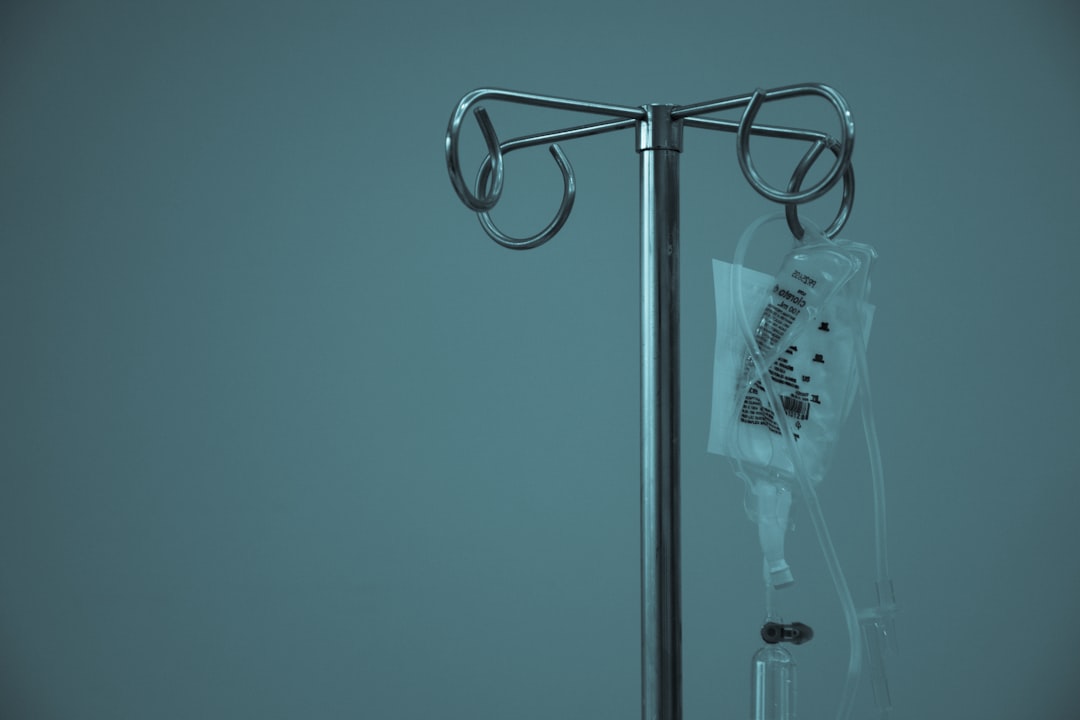
Chemotherapy uses powerful chemicals to kill fast-growing cancer cells in the body. It can be administered through pills or intravenous injections and works by targeting and destroying cells that grow quickly, which is characteristic of cancer cells. However, it can also affect other fast-growing healthy cells in the body such as those in the hair follicles and digestive tract, leading to side effects like hair loss and nausea.
3. Radiation Therapy
This treatment uses high doses of radiation to kill cancer cells or shrink tumours. The radiation can be delivered by a machine that aims radiation at your body (external beam radiation) or by placing radioactive material inside your body close to cancer cells (brachytherapy).
4. Immunotherapy
Immunotherapy is a type of treatment that boosts the body's natural defences to fight cancer. It uses substances made by the body or in a laboratory to improve or restore immune system function. This can help the body attack cancer cells more vigorously.
5. Targeted Therapy
Targeted therapy targets the specific genes, proteins, or the tissue environment that contributes to cancer growth and survival. This type of treatment blocks the growth and spread of cancer cells while limiting damage to healthy cells.
6. Hormone Therapy
Some cancers require certain hormones to grow. Hormone therapy acts by blocking the body's ability to produce these hormones or by interfering with their effects. It's often used in treating cancers that are hormone-sensitive like some types of breast and prostate cancers.
Real-Life Impact on Young People
For teenagers, dealing with cancer - whether personally or within the family - can be very challenging. It can disrupt schooling, social interactions, and the simple process of growing up. A diagnosis of cancer brings about a range of emotions: shock, anger, sadness, and confusion.
Physically, treatments like chemotherapy and radiation can lead to side effects that affect appearance and physical capabilities, which can be tough for a teenager who is already dealing with normal adolescent insecurities. Emotionally and mentally, the stress can be overwhelming. It's not unusual for young people dealing with cancer to experience anxiety and depression.
Practical Strategies for Coping with Cancer
1. Gather Support
Lean on family, friends, counsellors, or support groups. Sharing your feelings can make a big difference in your mental health.
2. Keep Up with Education
Try to maintain normalcy in your education. Utilise home-schooling programs or online classes if you need to take a break from regular school attendance.
3. Engage in Hobbies and Interests
Keep doing the things you love or take up new hobbies that you can manage. This can be a great way to bring a sense of normalcy and joy into life.
4. Healthy Lifestyle Choices
As much as possible, try to maintain a healthy diet, get regular exercise as recommended, and have adequate rest. These can help you cope with the side effects of cancer treatment and improve your well-being.
5. Seek Professional Help
If you're struggling with emotional and mental health, consider talking to a psycho-oncologist or a counsellor who specialises in helping cancer patients and their families.
Ultimately, being informed and taking an active role in your treatment or understanding someone else's can help you feel more in control. Each person's journey with cancer is unique, and it's important to focus on what feels right for you and your specific circumstances.
How are you feeling?
It is really important that when we need help, we feel able to ask for it. This could be speaking to a parent, a close friend, a teacher or someone else you trust. Sometimes it can be really hard to share our feelings with other people but if we are feeling low or don't know where to turn, sharing with others is really important. Teachers will always take you seriously and listen to your problems in confidence if you approach them for help. Likewise, parents, siblings or friends will help you if you reach out to them.
If you feel like you can't speak to anyone you know, there are people and organisations that can help support you:
- Childline - Call them on 0800 1111 any time of the day or night, every day of the week
- NSPCC - Call them on 0808 800 5000 between 10am and 4pm Monday to Friday or email them on help@NSPCC.org.uk
- The Samaritans – Call them on 116 123 any time of the day or night, every day of the week
- SANE – Call 0300 304 7000 for support (4:30pm - 10:30pm every day)
- Mind – Call 0300 123 3393 (9:00am - 6:00pm Monday to Friday)
*Sometimes we will use real life examples in our articles to aid understanding. When we do, names and ages will be changed.